
In recent years, the landscape of cannabis laws in Melbourne has undergone significant changes, reflecting a broader shift in societal attitudes towards cannabis use. While recreational cannabis remains illegal in Victoria, medicinal cannabis has been legal since 2016, allowing patients with specific medical conditions to access cannabis products through a prescription. This legal framework is designed to ensure that patients can benefit from the therapeutic properties of cannabis while maintaining strict controls over its use and distribution.
The Victorian government has established a regulatory framework that governs the cultivation, manufacture, and supply of medicinal cannabis, which is overseen by the Department of Health. The current laws also stipulate that only licensed producers can cultivate and supply medicinal cannabis, ensuring that products meet stringent quality and safety standards. Patients seeking access to medicinal cannabis must go through a thorough assessment process with their healthcare provider, who must be familiar with the legal requirements and the specific conditions that qualify for treatment.
As public awareness and acceptance of cannabis continue to grow, it is essential for both consumers and businesses to stay informed about the evolving legal landscape to navigate this complex environment effectively.
Key Takeaways
- Cannabis possession and use is decriminalized in Melbourne, but strict regulations apply to cultivation, production, and distribution.
- The licensing process for cannabis businesses in Melbourne involves thorough background checks and compliance with security measures.
- Cannabis packaging and labeling in Melbourne must adhere to strict regulations regarding health warnings, THC content, and child-resistant packaging.
- Workplace safety and health regulations for cannabis businesses in Melbourne are enforced to ensure a safe working environment for employees.
- Advertising and marketing restrictions for cannabis products in Melbourne are stringent, with limitations on content and target audience.
Navigating the Licensing Process for Cannabis Businesses
For entrepreneurs looking to enter the cannabis industry in Melbourne, understanding the licensing process is crucial. The Victorian government has established a comprehensive licensing framework that requires businesses to obtain specific licenses depending on their operations, whether they are involved in cultivation, manufacturing, or distribution of medicinal cannabis. The application process can be intricate and time-consuming, often requiring detailed documentation and compliance with various regulations.
To successfully navigate this process, prospective business owners should familiarize themselves with the requirements set forth by the Victorian Department of Health. This includes understanding the eligibility criteria for obtaining a license, which may involve background checks, financial disclosures, and proof of operational capability. Additionally, applicants must demonstrate their commitment to compliance with health and safety regulations, as well as their ability to maintain high standards of product quality.
Engaging with legal experts or consultants who specialize in cannabis law can provide valuable insights and guidance throughout the licensing journey.
Compliance with Cannabis Packaging and Labeling Regulations
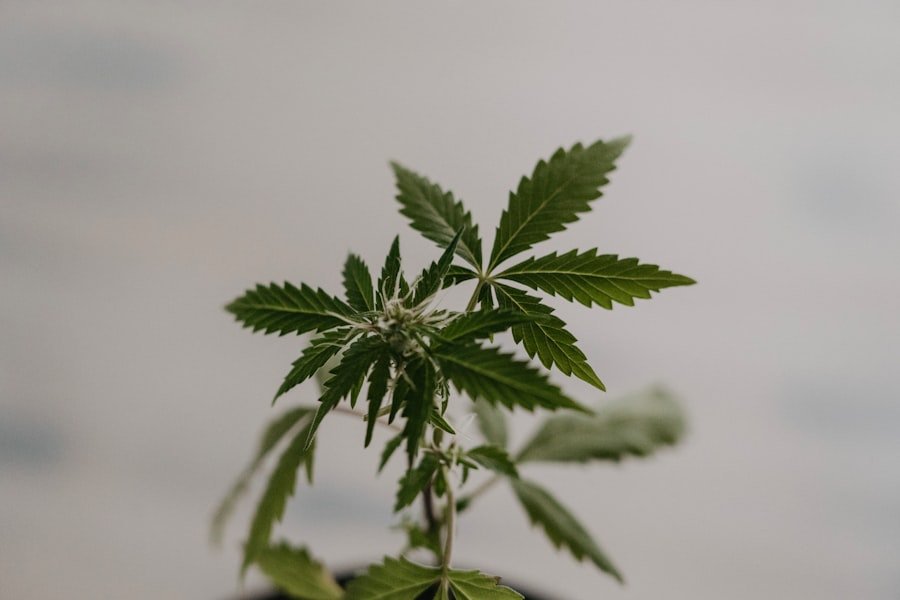
Once a cannabis business is licensed, compliance with packaging and labeling regulations becomes paramount. The Victorian government has implemented strict guidelines to ensure that all cannabis products are packaged safely and labeled accurately. These regulations are designed to protect consumers by providing essential information about the product’s contents, dosage, and potential side effects.
Cannabis packaging must be child-resistant and tamper-evident to prevent accidental ingestion by children or unauthorized individuals. Additionally, labels must include clear information about the product’s ingredients, THC and CBD content, and any relevant health warnings.
By prioritizing compliance with these regulations, cannabis businesses can build trust with consumers while ensuring their products are safe and effective.
Ensuring Workplace Safety and Health Regulations for Cannabis Businesses
| Metrics | Data |
|---|---|
| Number of workplace safety inspections conducted | 200 |
| Number of workplace safety violations found | 15 |
| Number of workplace safety training sessions conducted | 30 |
| Percentage of employees trained in workplace safety | 90% |
As the cannabis industry continues to grow in Melbourne, ensuring workplace safety and health regulations is essential for protecting employees and maintaining operational integrity. Cannabis businesses must comply with occupational health and safety (OHS) standards that apply to all industries, including those specific to the handling and processing of cannabis products. This includes implementing safety protocols for employees working in cultivation facilities, manufacturing plants, and distribution centers.
Employers should conduct regular risk assessments to identify potential hazards in the workplace and develop strategies to mitigate these risks. Providing employees with proper training on safe handling practices, equipment operation, and emergency procedures is crucial for fostering a safe work environment. Additionally, businesses should establish clear policies regarding employee health and wellness, including mental health support programs that address the unique challenges faced by those working in the cannabis industry.
Understanding the Advertising and Marketing Restrictions for Cannabis Products
Advertising and marketing restrictions for cannabis products in Melbourne are designed to prevent misleading information and protect public health. The Victorian government has established guidelines that dictate how cannabis businesses can promote their products while ensuring compliance with legal standards. These restrictions aim to prevent advertising that targets minors or promotes excessive consumption.
Cannabis businesses must be cautious when developing marketing strategies, as any claims made about the benefits of their products must be substantiated by scientific evidence. Additionally, advertisements should not imply that cannabis use is free from risks or promote it as a cure-all solution. By adhering to these advertising regulations, businesses can maintain their credibility while fostering a responsible approach to cannabis consumption among consumers.
Compliance with Cannabis Testing and Quality Control Regulations

Quality control is a critical aspect of the cannabis industry in Melbourne, as it directly impacts consumer safety and product efficacy. The Victorian government mandates rigorous testing protocols for all medicinal cannabis products before they can be sold to patients. This includes testing for potency, contaminants such as pesticides or heavy metals, and microbial contamination.
Cannabis businesses must partner with accredited laboratories to conduct these tests and ensure compliance with regulatory standards. Maintaining detailed records of testing results is essential for demonstrating compliance during inspections or audits by regulatory authorities. By prioritizing quality control measures, businesses can build consumer trust while ensuring that their products meet the highest safety standards.
Navigating the Taxation and Financial Regulations for Cannabis Businesses
Navigating taxation and financial regulations is a crucial aspect of operating a cannabis business in Melbourne. The Australian Taxation Office (ATO) has specific guidelines for cannabis businesses regarding Goods and Services Tax (GST), income tax, and other financial obligations. Understanding these regulations is essential for ensuring compliance and avoiding potential penalties.
Many traditional banks are hesitant to work with cannabis-related businesses due to concerns about legality and risk. As a result, entrepreneurs may need to explore alternative banking solutions or financial services that cater specifically to the cannabis industry.
Engaging with financial advisors who have experience in this sector can provide valuable insights into managing finances effectively while remaining compliant with tax regulations.
Understanding the Import and Export Regulations for Cannabis Products
For cannabis businesses looking to expand their operations beyond Melbourne, understanding import and export regulations is essential. The Australian government has established strict guidelines governing the importation and exportation of cannabis products, particularly for medicinal use. Businesses must obtain the necessary permits from regulatory authorities before engaging in international trade.
Compliance with international treaties and agreements is also crucial when navigating import and export regulations. Businesses must ensure that they adhere to both Australian laws and the laws of the destination country when exporting products. This may involve conducting thorough research on market requirements, labeling standards, and quality control measures specific to each country.
By staying informed about these regulations, businesses can successfully explore new markets while minimizing legal risks.
Compliance with Cannabis Transportation and Distribution Regulations
Transportation and distribution of cannabis products require strict adherence to regulatory guidelines to ensure product integrity and safety during transit. In Melbourne, businesses must comply with transportation regulations that govern how cannabis products are transported from cultivation facilities to dispensaries or patients’ homes. This includes maintaining secure transportation methods that prevent unauthorized access or tampering.
Additionally, businesses should implement tracking systems to monitor the movement of products throughout the supply chain. This not only ensures compliance with regulatory requirements but also enhances transparency for consumers who want assurance about the origin and handling of their products. By prioritizing compliance with transportation regulations, cannabis businesses can build a reputation for reliability while safeguarding their products during distribution.
Navigating the Security and Record-Keeping Regulations for Cannabis Businesses
Security measures are paramount in the cannabis industry due to the high value of products and potential risks associated with theft or diversion. Cannabis businesses in Melbourne must implement robust security protocols that comply with regulatory requirements set forth by the Victorian government. This includes installing surveillance systems, access controls, and alarm systems to protect facilities where cannabis is cultivated or stored.
In addition to physical security measures, maintaining accurate records is essential for compliance with regulatory authorities. Businesses must keep detailed records of all transactions, including sales, inventory levels, and testing results. These records not only facilitate compliance during inspections but also provide valuable insights into operational efficiency and product demand trends.
By prioritizing security and record-keeping practices, cannabis businesses can mitigate risks while ensuring transparency in their operations.
Understanding the Future of Cannabis Regulations in Melbourne
As societal attitudes towards cannabis continue to evolve, so too will the regulatory landscape in Melbourne. The future of cannabis regulations may see further changes aimed at expanding access to medicinal cannabis while addressing public health concerns associated with recreational use. Ongoing discussions among policymakers, healthcare professionals, and industry stakeholders will shape how regulations adapt to meet the needs of consumers while ensuring safety and compliance.
Emerging research on the therapeutic benefits of cannabis may also influence future regulations as more evidence becomes available regarding its efficacy in treating various medical conditions. As public awareness grows, there may be increased pressure on lawmakers to consider reforms that could lead to broader legalization efforts or changes in existing licensing frameworks. For those involved in the cannabis industry or considering entering this dynamic market, staying informed about potential regulatory changes will be crucial for long-term success.
Engaging with industry associations or advocacy groups can provide valuable insights into emerging trends while fostering collaboration among stakeholders committed to responsible cannabis practices. In conclusion, navigating the complex landscape of cannabis regulations in Melbourne requires diligence, knowledge, and a commitment to compliance at every level of operation. By understanding current laws, licensing processes, packaging requirements, workplace safety standards, advertising restrictions, testing protocols, taxation obligations, import/export guidelines, transportation regulations, security measures, record-keeping practices, and future trends—businesses can position themselves for success in this rapidly evolving industry while prioritizing consumer safety and well-being.
In recent years, the landscape of cannabis regulations in Melbourne has been evolving, reflecting a broader shift towards more progressive policies. This change is part of a global trend where traditional and alternative therapies are gaining recognition for their potential health benefits. For instance, the use of herbal medicine as a natural pain relief method is becoming increasingly popular. An article titled “Natural Pain Relief: Herbal Medicine for Managing Pain” explores this topic in depth, highlighting how herbal remedies can complement modern medical practices. You can read more about it here. This growing acceptance of alternative therapies, including cannabis, underscores the importance of informed regulations that ensure safe and effective use.
FAQs
What are the current cannabis regulations in Melbourne?
The current cannabis regulations in Melbourne, Australia, prohibit the recreational use of cannabis. However, medical cannabis is legal under certain circumstances with a prescription from a registered medical practitioner.
Can I legally purchase cannabis for recreational use in Melbourne?
No, recreational use of cannabis is illegal in Melbourne and throughout Australia. Possession, use, and supply of cannabis for non-medical purposes are subject to legal penalties.
What are the regulations for medical cannabis in Melbourne?
In Melbourne, medical cannabis is legal for patients with specific medical conditions and with a prescription from a registered medical practitioner. The use of medical cannabis is strictly regulated and patients must meet certain criteria to access it.
Are there licensed cannabis dispensaries in Melbourne?
Yes, there are licensed cannabis dispensaries in Melbourne that supply medical cannabis to patients with a valid prescription. These dispensaries operate under strict regulations and oversight from government authorities.
What are the penalties for violating cannabis regulations in Melbourne?
Violating cannabis regulations in Melbourne, such as possession or supply for non-medical purposes, can result in legal penalties including fines, imprisonment, and a criminal record. The severity of the penalties depends on the nature and scale of the offense.