
Neuropathic pain is a complex and often debilitating condition that arises from damage to the nervous system. Unlike nociceptive pain, which is a direct response to injury or inflammation, neuropathic pain is characterized by abnormal processing of pain signals in the nervous system. This type of pain can manifest in various forms, including burning, tingling, or shooting sensations, and may be accompanied by heightened sensitivity to touch or temperature changes.
Understanding neuropathic pain is crucial for both patients and healthcare providers, as it requires a different approach to diagnosis and treatment compared to other pain types. In Australia, neuropathic pain affects a significant portion of the population, with conditions such as diabetes, multiple sclerosis, and spinal cord injuries being common contributors. The impact of neuropathic pain extends beyond physical discomfort; it can lead to emotional distress, sleep disturbances, and a reduced quality of life.
As awareness of this condition grows, so does the need for effective management strategies that encompass both medical and holistic approaches.
Key Takeaways
- Neuropathic pain is caused by damage or dysfunction of the nervous system and is often described as shooting, burning, or stabbing pain.
- Common causes of neuropathic pain include diabetes, shingles, and nerve compression or injury.
- Diagnosis of neuropathic pain involves a thorough medical history, physical examination, and possibly nerve conduction studies or imaging tests.
- Treatment options for neuropathic pain may include medications, non-pharmacological approaches, interventional procedures, and psychological support.
- Lifestyle modifications such as regular exercise, stress management, and healthy eating can help in managing neuropathic pain, and seeking professional help is important for effective management.
Causes and Symptoms of Neuropathic Pain
The causes of neuropathic pain are diverse and can stem from various underlying conditions. Diabetes is one of the leading causes, where prolonged high blood sugar levels can damage peripheral nerves, leading to diabetic neuropathy. Other common causes include traumatic injuries, infections, autoimmune diseases, and certain medications that may affect nerve function.
Additionally, conditions like shingles can lead to postherpetic neuralgia, a type of neuropathic pain that persists long after the rash has healed. Symptoms of neuropathic pain can vary widely among individuals. Patients may experience sensations that are not typically associated with pain, such as allodynia, where even light touch can provoke discomfort.
Other symptoms may include hyperalgesia, where normal pain sensations are amplified. These symptoms can significantly impact daily activities and emotional well-being, making it essential for individuals experiencing them to seek appropriate care and support.
Diagnosis and Assessment of Neuropathic Pain
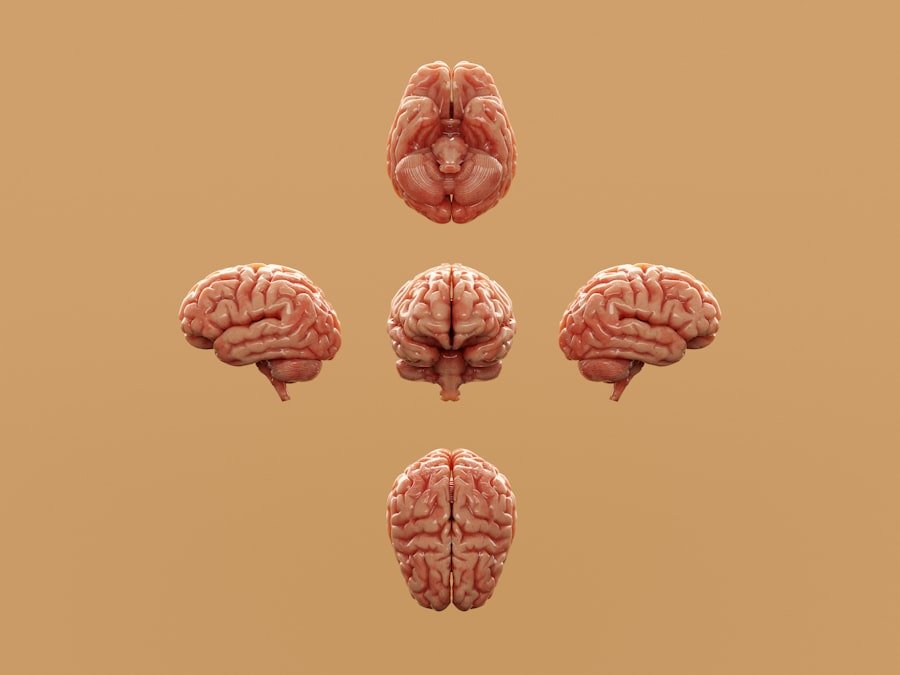
Diagnosing neuropathic pain involves a comprehensive assessment that includes a detailed medical history and physical examination. Healthcare providers often use specific questionnaires and diagnostic tools to evaluate the nature and intensity of the pain. Neurological examinations may also be conducted to assess sensory function and identify any abnormalities in nerve response.
In some cases, imaging studies or nerve conduction tests may be utilized to further investigate the underlying causes of the pain. An accurate diagnosis is vital for effective treatment planning. Misdiagnosis can lead to inappropriate management strategies that may exacerbate the condition or fail to address the root cause of the pain.
Therefore, it is essential for patients to communicate openly with their healthcare providers about their symptoms and any factors that may influence their pain experience.
Treatment Options for Neuropathic Pain
| Treatment Option | Description | Effectiveness |
|---|---|---|
| Medications | Includes antidepressants, anticonvulsants, and opioids | Varies depending on the individual |
| Physical Therapy | Exercises and techniques to improve mobility and reduce pain | Can be effective for some patients |
| Transcutaneous Electrical Nerve Stimulation (TENS) | Uses electrical currents to relieve pain | May provide temporary relief |
| Acupuncture | Insertion of thin needles into specific points on the body | Some patients report pain relief |
Treatment options for neuropathic pain are multifaceted and often require a combination of approaches tailored to the individual’s needs. Pharmacological treatments are commonly employed, but non-pharmacological strategies are gaining recognition for their effectiveness in managing symptoms. A multidisciplinary approach that includes physical therapy, psychological support, and lifestyle modifications can enhance overall treatment outcomes.
Patients should work closely with their healthcare team to develop a personalized treatment plan that addresses both the physical and emotional aspects of neuropathic pain. This collaborative approach not only empowers patients but also fosters a sense of control over their health journey.
Medications for Neuropathic Pain Management
Medications play a crucial role in managing neuropathic pain, with several classes of drugs being commonly prescribed. Antidepressants such as amitriptyline and duloxetine have been shown to be effective in alleviating neuropathic pain by modulating neurotransmitter levels in the brain. Similarly, anticonvulsants like gabapentin and pregabalin are frequently used to reduce nerve-related pain by stabilizing electrical activity in the nervous system.
While medications can provide significant relief for many patients, they may also come with side effects that need to be carefully monitored. It is essential for individuals to have open discussions with their healthcare providers about their experiences with medications and any concerns they may have regarding potential side effects or interactions with other treatments.
Non-pharmacological Approaches to Managing Neuropathic Pain
In addition to medications, non-pharmacological approaches have gained traction as effective methods for managing neuropathic pain. Techniques such as cognitive-behavioral therapy (CBT) can help individuals develop coping strategies and address the emotional aspects of chronic pain. Mindfulness practices, including meditation and yoga, have also been shown to reduce stress and improve overall well-being.
Physical therapy is another valuable component of a comprehensive pain management plan. Tailored exercise programs can help improve strength, flexibility, and mobility while reducing pain levels. Additionally, alternative therapies such as acupuncture and massage therapy may provide relief for some individuals by promoting relaxation and improving blood flow.
Interventional Procedures for Neuropathic Pain Relief
For individuals who do not respond adequately to conservative treatments, interventional procedures may be considered as part of their pain management strategy. These procedures can range from nerve blocks to more advanced techniques such as spinal cord stimulation or intrathecal drug delivery systems. Nerve blocks involve injecting anesthetic agents near specific nerves to interrupt pain signals, providing temporary relief.
Spinal cord stimulation involves implanting a device that delivers electrical impulses to the spinal cord, altering the way pain signals are processed by the brain. This technique has shown promise in managing chronic neuropathic pain when other treatments have failed. It is essential for patients to discuss the potential benefits and risks of these procedures with their healthcare providers to determine if they are suitable options for their specific situation.
Psychological and Emotional Support for Coping with Neuropathic Pain
Coping with neuropathic pain often requires addressing the psychological and emotional challenges that accompany chronic discomfort. Many individuals experience feelings of frustration, anxiety, or depression as they navigate their pain journey. Seeking psychological support through counseling or support groups can provide valuable tools for managing these emotions.
Cognitive-behavioral therapy (CBT) has been particularly effective in helping individuals reframe their thoughts about pain and develop healthier coping mechanisms. Additionally, mindfulness-based stress reduction techniques can promote relaxation and improve emotional resilience. By prioritizing mental health alongside physical health, individuals can enhance their overall quality of life while managing neuropathic pain.
Lifestyle Modifications for Neuropathic Pain Management
Making lifestyle modifications can significantly impact the management of neuropathic pain. Regular physical activity is essential for maintaining overall health and can help alleviate some symptoms associated with nerve-related discomfort. Engaging in low-impact exercises such as walking, swimming, or cycling can improve circulation and reduce stiffness while promoting endorphin release.
Diet also plays a crucial role in managing neuropathic pain. A balanced diet rich in anti-inflammatory foods—such as fruits, vegetables, whole grains, lean proteins, and healthy fats—can support nerve health and reduce inflammation throughout the body. Staying hydrated and avoiding excessive alcohol consumption can further contribute to overall well-being.
Finding Support and Resources for Neuropathic Pain in Brisbane
For individuals living with neuropathic pain in Brisbane, numerous resources are available to provide support and information. Local support groups offer opportunities for individuals to connect with others facing similar challenges, fostering a sense of community and understanding. Online forums and educational websites can also serve as valuable sources of information about neuropathic pain management strategies.
Healthcare providers in Brisbane are increasingly recognizing the importance of a multidisciplinary approach to pain management. Patients are encouraged to seek out practitioners who specialize in both conventional and alternative therapies to create a comprehensive care plan tailored to their unique needs.
Seeking Professional Help for Neuropathic Pain in Brisbane
If you or someone you know is struggling with neuropathic pain in Brisbane, seeking professional help is a crucial step toward finding relief. A qualified healthcare provider can conduct a thorough assessment and develop an individualized treatment plan that addresses both physical symptoms and emotional well-being. Whether through medication management, physical therapy, or psychological support, there are numerous options available to help manage this complex condition.
At Verda Health, we understand the challenges associated with neuropathic pain and are committed to providing holistic solutions that prioritize your well-being. Our team of experienced professionals offers telehealth services that make it easier than ever to access care from the comfort of your home. We invite you to explore our range of services designed to support your journey toward improved health and quality of life.
Don’t let neuropathic pain hold you back—take action today by reaching out to Verda Health for compassionate care tailored to your needs.
Neuropathic pain can be a challenging condition to manage, especially in areas like Brisbane where individuals seek effective and holistic approaches to pain relief. An insightful article that delves into natural methods for managing pain, including neuropathic pain, is available on Verda Health’s website. This article explores various herbal medicines and their potential benefits in providing natural pain relief. For those interested in exploring alternative and complementary therapies for managing neuropathic pain, you can read more about it in the article titled “Natural Pain Relief: Herbal Medicine for Managing Pain” by visiting this link.
FAQs
What is neuropathic pain?
Neuropathic pain is a type of chronic pain that is caused by damage or dysfunction of the nervous system. It can be characterized by shooting or burning sensations, tingling, or numbness.
What are the common causes of neuropathic pain?
Neuropathic pain can be caused by a variety of conditions, including diabetes, shingles, multiple sclerosis, and nerve compression or injury.
How is neuropathic pain diagnosed?
Neuropathic pain is typically diagnosed through a combination of medical history, physical examination, and possibly imaging tests such as MRI or nerve conduction studies.
What are the treatment options for neuropathic pain?
Treatment for neuropathic pain may include medications such as antidepressants, anticonvulsants, or pain relievers, as well as physical therapy, nerve blocks, and in some cases, surgery.
Can neuropathic pain be cured?
Neuropathic pain is often chronic and can be difficult to fully cure. However, with proper treatment and management, many people with neuropathic pain can experience significant relief and improved quality of life.