
Cannabis treatment programs have emerged as a significant alternative in the landscape of modern healthcare, particularly in Australia. These programs are designed to provide patients with access to medical cannabis, which is increasingly recognized for its therapeutic potential. The use of cannabis for medicinal purposes is not a new concept; it has been utilized for centuries across various cultures.
However, the recent shift towards legalization and acceptance in Australia has opened doors for more structured and regulated treatment options. In essence, cannabis treatment programs involve the use of cannabis-based products to manage a variety of health conditions, including chronic pain, anxiety, and sleep disorders. These programs are typically overseen by qualified healthcare professionals who assess the patient’s needs and tailor a treatment plan accordingly.
The goal is to provide a holistic approach to health that complements traditional medical practices, offering patients an alternative that may be more aligned with their personal beliefs and health goals.
Key Takeaways
- Cannabis treatment programs offer a holistic approach to addressing substance abuse and addiction, focusing on the use of cannabis as a therapeutic tool.
- The benefits of cannabis treatment programs include pain management, reduction of anxiety and depression, and potential for reducing reliance on other substances.
- Finding the right cannabis treatment program involves considering individual needs, preferences, and goals, as well as the program’s approach, services, and track record.
- Participants in cannabis treatment programs can expect a combination of medical supervision, counseling, support groups, and education on cannabis use and its effects.
- Medical professionals play a crucial role in cannabis treatment programs, providing expertise in cannabis medicine, addiction treatment, and mental health support.
The Benefits of Cannabis Treatment Programs
The benefits of cannabis treatment programs are manifold, particularly for individuals seeking relief from conditions that have not responded well to conventional treatments. One of the most significant advantages is the potential for pain relief. Many patients report substantial reductions in chronic pain levels when using cannabis, which can lead to improved quality of life and increased functionality in daily activities.
This is particularly relevant for those suffering from conditions such as arthritis, fibromyalgia, or neuropathic pain. Moreover, cannabis has been shown to have anxiolytic properties, making it a viable option for individuals dealing with anxiety and stress-related disorders. Patients often find that cannabis helps them manage their symptoms more effectively than traditional medications, which can come with a host of side effects.
Additionally, cannabis treatment programs can also aid in improving sleep quality, providing a natural alternative for those struggling with insomnia or other sleep disturbances. By addressing these critical areas of health, cannabis treatment programs can significantly enhance overall well-being.
Finding the Right Cannabis Treatment Program for You

Navigating the world of cannabis treatment can be overwhelming, especially with the myriad of options available. The first step in finding the right program is to consult with a healthcare professional who is knowledgeable about medical cannabis. They can help assess your specific health needs and guide you toward a program that aligns with your goals.
It’s essential to consider factors such as the type of cannabis products offered, the expertise of the practitioners involved, and the overall approach of the program. Additionally, it’s important to research and read reviews from other patients who have participated in various programs. This can provide valuable insights into what you can expect and help you make an informed decision.
Look for programs that prioritize patient education and support, as these elements are crucial for a successful treatment experience. Remember, finding the right cannabis treatment program is a personal journey that should be tailored to your unique health circumstances.
What to Expect from a Cannabis Treatment Program
| Aspect | Expectation |
|---|---|
| Medical Evaluation | A comprehensive assessment of your medical history and current condition to determine the suitability of cannabis treatment. |
| Customized Treatment Plan | A personalized plan tailored to your specific needs, including dosage, strain selection, and administration method. |
| Education and Support | Access to educational resources and ongoing support to help you understand and manage your treatment. |
| Monitoring and Adjustments | Regular monitoring of your progress and adjustments to the treatment plan as needed for optimal results. |
| Legal Compliance | Adherence to all legal and regulatory requirements related to cannabis treatment. |
When you embark on a cannabis treatment program, it’s essential to have realistic expectations about the process and outcomes. Initially, you will likely undergo a comprehensive assessment by a healthcare professional who will evaluate your medical history and current health status. This assessment is crucial in determining the most appropriate cannabis products and dosages for your needs.
Once your treatment plan is established, you can expect regular follow-ups to monitor your progress and make any necessary adjustments. Many programs also incorporate educational components, helping you understand how to use cannabis safely and effectively. It’s important to remember that results may vary from person to person; while some may experience immediate relief, others may require time to find the right dosage or product that works for them.
The Role of Medical Professionals in Cannabis Treatment Programs
Medical professionals play a pivotal role in the success of cannabis treatment programs. Their expertise ensures that patients receive safe and effective care tailored to their individual needs. Physicians who specialize in medical cannabis are trained to understand the complexities of cannabis pharmacology and its interactions with other medications.
This knowledge is vital in preventing adverse effects and ensuring optimal outcomes for patients. Moreover, healthcare providers are responsible for educating patients about the potential benefits and risks associated with cannabis use. They guide patients through the process of selecting appropriate strains or products based on their specific conditions.
This collaborative approach fosters trust between patients and providers, creating an environment where individuals feel supported in their journey toward better health.
Support Services Available in Cannabis Treatment Programs
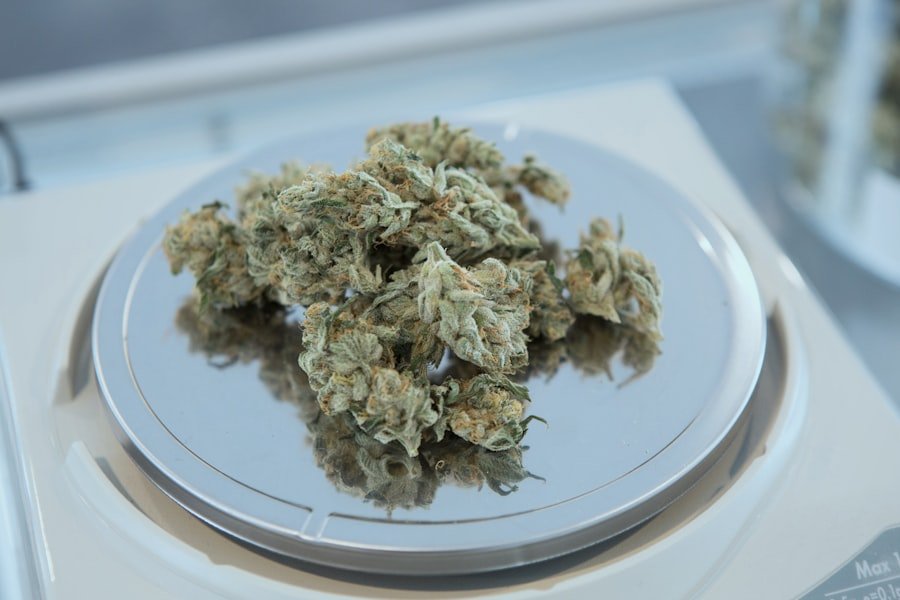
Support services are an integral part of cannabis treatment programs, providing patients with additional resources to enhance their experience. Many programs offer counseling services that address not only the physical aspects of treatment but also the emotional and psychological challenges that may arise during the process. This holistic approach recognizes that healing involves more than just addressing symptoms; it encompasses mental well-being as well.
In addition to counseling, support groups can be invaluable for individuals undergoing cannabis treatment. These groups provide a platform for patients to share their experiences, challenges, and successes with others who understand their journey. Connecting with peers can foster a sense of community and reduce feelings of isolation, which is particularly important for those navigating chronic health issues.
Success Stories from Cannabis Treatment Program Participants
Success stories from participants in cannabis treatment programs highlight the transformative potential of this alternative approach to healthcare. Many individuals have reported significant improvements in their quality of life after incorporating medical cannabis into their treatment plans. For instance, patients suffering from chronic pain have shared how they were able to reduce their reliance on opioids or other pain medications after finding relief through cannabis.
Additionally, stories of individuals overcoming anxiety or sleep disorders through cannabis treatment are becoming increasingly common. These narratives not only inspire hope but also serve as powerful testimonials to the efficacy of cannabis as a therapeutic option. By sharing these experiences, participants contribute to a growing body of evidence supporting the use of medical cannabis in managing various health conditions.
The Importance of Aftercare in Cannabis Treatment Programs
Aftercare is a critical component of any successful cannabis treatment program. Once patients have completed their initial treatment phase, ongoing support is essential to maintain progress and prevent relapse into old habits or symptoms. Aftercare may include regular check-ins with healthcare providers, continued access to counseling services, and participation in support groups.
Moreover, aftercare provides an opportunity for patients to reassess their treatment goals and make any necessary adjustments based on their evolving needs. This ongoing relationship with healthcare professionals ensures that individuals remain engaged in their health journey and continue to benefit from the therapeutic effects of cannabis long after their initial treatment has concluded.
Addressing Stigma and Misconceptions Surrounding Cannabis Treatment Programs
Despite the growing acceptance of cannabis as a legitimate form of medicine, stigma and misconceptions still persist. Many individuals may harbor outdated beliefs about cannabis use or fear judgment from others when considering it as a treatment option. Addressing these concerns is crucial for fostering an open dialogue about the benefits of cannabis treatment programs.
Education plays a vital role in dispelling myths surrounding cannabis use. By providing accurate information about its therapeutic properties and safety profile, healthcare professionals can help alleviate fears and encourage more individuals to explore this alternative approach to healthcare. It’s essential to create an environment where patients feel comfortable discussing their options without fear of stigma or discrimination.
Legal and Ethical Considerations in Cannabis Treatment Programs
Navigating the legal landscape surrounding cannabis treatment programs is essential for both patients and providers. In Australia, medical cannabis is legal under specific regulations; however, it is crucial for patients to understand the laws governing its use in their state or territory. Engaging with licensed practitioners who are knowledgeable about these regulations ensures that patients receive care that complies with legal standards.
Ethical considerations also play a significant role in cannabis treatment programs. Healthcare providers must prioritize patient safety and informed consent when recommending cannabis as a treatment option. This includes discussing potential risks, benefits, and alternative therapies available to patients.
By adhering to ethical guidelines, practitioners can foster trust and ensure that patients receive care that aligns with their best interests.
Resources and Support for Families of Individuals in Cannabis Treatment Programs
Families play an essential role in supporting individuals undergoing cannabis treatment programs. It’s important for family members to be informed about the process so they can provide encouragement and understanding throughout the journey. Many programs offer resources specifically designed for families, including educational materials that explain how medical cannabis works and its potential benefits.
Support groups for families can also be beneficial, allowing loved ones to connect with others who are navigating similar experiences. These groups provide a safe space for sharing concerns, discussing challenges, and celebrating successes together. By fostering open communication within families and providing access to resources, individuals undergoing cannabis treatment can feel more supported as they work toward improved health outcomes.
In conclusion, cannabis treatment programs represent a promising avenue for individuals seeking alternative approaches to managing their health conditions in Australia. With numerous benefits ranging from pain relief to improved mental well-being, these programs offer hope for many who have struggled with conventional treatments. By understanding what these programs entail and how they operate within legal frameworks, patients can make informed decisions about their healthcare options while receiving support from medical professionals and loved ones alike.
In recent years, Sydney has seen a growing interest in alternative treatment programs, including those that incorporate cannabis for therapeutic purposes. These programs aim to provide holistic care by integrating various natural therapies to enhance patient well-being. A related article that delves into complementary therapies is this piece on acupressure therapy, which discusses how acupressure can be used to relieve pain and stress. Such therapies are often considered alongside cannabis treatment programs to offer a more comprehensive approach to health and wellness.