
Anxiety disorders are among the most common mental health issues affecting millions of Australians today. These disorders encompass a range of conditions, including generalized anxiety disorder, panic disorder, social anxiety disorder, and specific phobias. Each type presents unique challenges, but they all share a common thread: excessive fear or worry that can interfere with daily life.
Individuals grappling with anxiety often experience physical symptoms such as rapid heartbeat, sweating, and fatigue, alongside emotional distress that can lead to avoidance behaviors and social isolation. Understanding the nuances of anxiety disorders is crucial for both individuals experiencing these challenges and their loved ones. Anxiety can manifest in various ways, making it essential to recognize the signs early on.
For some, anxiety may be situational, triggered by specific events or stressors, while for others, it may be a chronic condition that requires ongoing management. By fostering awareness and understanding of anxiety disorders, we can create a supportive environment that encourages individuals to seek help and explore effective treatment options.
Key Takeaways
- Anxiety disorders are common and can manifest in various ways, impacting daily life and overall well-being.
- Seeking professional help is crucial in managing anxiety disorders, as trained therapists can provide personalized treatment plans and support.
- In Melbourne, various types of anxiety therapy are available, including cognitive behavioral therapy, exposure therapy, mindfulness, and medication management.
- Finding the right therapist for your needs involves considering factors such as expertise, approach, and comfort level with the therapist.
- Cognitive behavioral therapy is an effective treatment for anxiety, focusing on identifying and changing negative thought patterns and behaviors.
Importance of Seeking Professional Help
Seeking professional help for anxiety disorders is a vital step toward recovery and improved well-being. Many individuals may feel hesitant to reach out for assistance due to stigma or misconceptions about mental health treatment. However, it is essential to recognize that anxiety is a legitimate medical condition that can significantly impact one’s quality of life.
Professional support can provide individuals with the tools and strategies needed to manage their symptoms effectively. Engaging with a mental health professional offers numerous benefits. Therapists and counselors are trained to understand the complexities of anxiety disorders and can tailor treatment plans to meet individual needs.
They provide a safe space for individuals to express their feelings and fears without judgment. Moreover, professional help can facilitate the development of coping mechanisms and resilience, empowering individuals to navigate their anxiety more effectively and reclaim control over their lives.
Types of Anxiety Therapy Available in Melbourne
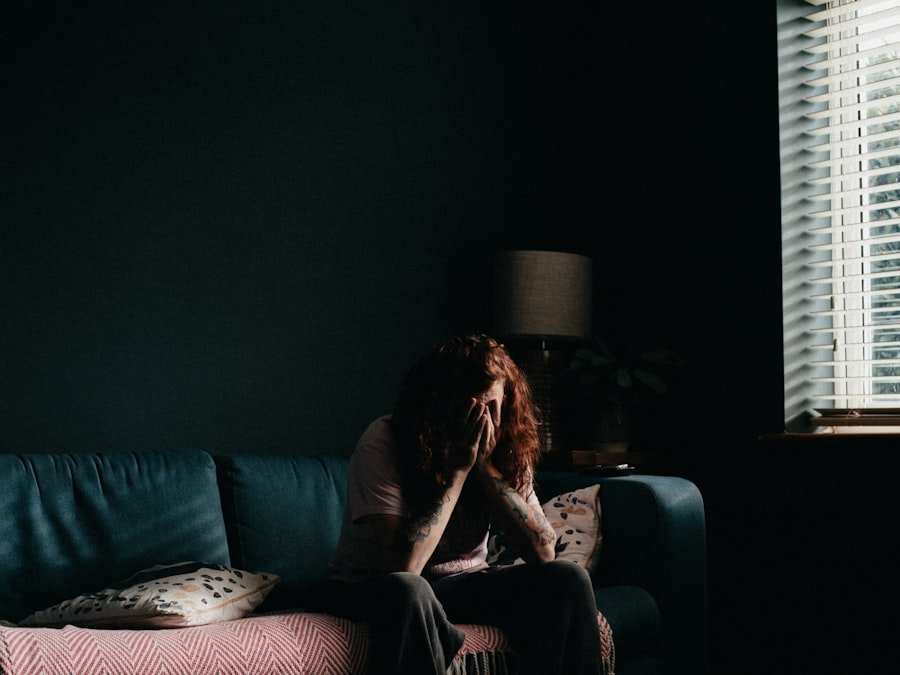
Melbourne boasts a diverse array of therapeutic options for individuals seeking help with anxiety disorders. From traditional talk therapy to innovative approaches, there is something for everyone. Cognitive Behavioral Therapy (CBT) is one of the most widely used methods, focusing on identifying and changing negative thought patterns that contribute to anxiety.
This evidence-based approach has proven effective in helping individuals develop healthier coping strategies. In addition to CBT, other therapeutic modalities such as Acceptance and Commitment Therapy (ACT) and Dialectical Behavior Therapy (DBT) are gaining popularity in Melbourne. ACT encourages individuals to accept their thoughts and feelings rather than fighting against them, promoting psychological flexibility.
DBT, on the other hand, combines cognitive-behavioral techniques with mindfulness practices, making it particularly beneficial for those struggling with intense emotions. With such a variety of options available, individuals can find a therapy that resonates with them and aligns with their personal goals.
Finding the Right Therapist for Your Needs
| Therapist Criteria | Importance Level | Explanation |
|---|---|---|
| Qualifications | High | Ensure the therapist is licensed and has relevant education and training. |
| Specialization | High | Look for a therapist who specializes in your specific needs, such as anxiety, depression, or trauma. |
| Approach | Medium | Consider the therapeutic approach used by the therapist, such as cognitive-behavioral therapy or psychodynamic therapy. |
| Location | Low | While convenient, location should be a lower priority compared to qualifications and specialization. |
| Cost | Low | While important, cost should be considered after ensuring the therapist meets other criteria. |
Finding the right therapist is a crucial step in the journey toward managing anxiety effectively. It’s essential to consider factors such as the therapist’s qualifications, experience, and therapeutic approach when making this decision. Many individuals may benefit from seeking a therapist who specializes in anxiety disorders or has experience working with specific populations, such as adolescents or those dealing with trauma.
Additionally, personal compatibility plays a significant role in the therapeutic relationship. It’s important to feel comfortable and safe with your therapist, as this fosters open communication and trust. Many therapists offer initial consultations or discovery sessions, allowing potential clients to gauge whether they feel at ease with the therapist’s style and approach.
Taking the time to find the right fit can make a significant difference in the effectiveness of treatment.
Cognitive Behavioral Therapy for Anxiety
Cognitive Behavioral Therapy (CBT) is one of the most researched and effective treatments for anxiety disorders. This structured approach focuses on identifying negative thought patterns that contribute to anxiety and replacing them with more balanced and realistic thoughts. By challenging irrational beliefs and cognitive distortions, individuals can learn to manage their anxiety more effectively.
CBT typically involves a combination of cognitive restructuring and behavioral interventions. Clients are encouraged to engage in exposure exercises that gradually confront their fears in a controlled manner. This process helps desensitize individuals to anxiety-provoking situations while reinforcing positive coping strategies.
The skills learned through CBT are not only applicable during therapy but can also be utilized long after treatment has concluded, equipping individuals with lifelong tools for managing anxiety.
Exposure Therapy for Anxiety

Exposure therapy is a specialized form of CBT that focuses specifically on helping individuals confront their fears in a gradual and systematic way. This therapeutic approach is particularly effective for those dealing with phobias or social anxiety disorder. The goal of exposure therapy is to reduce avoidance behaviors by gradually exposing individuals to the situations or stimuli that trigger their anxiety.
During exposure therapy sessions, clients work closely with their therapist to create a hierarchy of feared situations, starting with less intimidating scenarios and gradually progressing to more challenging ones. This process allows individuals to build confidence and resilience as they learn that they can cope with their fears without resorting to avoidance. Over time, exposure therapy can lead to significant reductions in anxiety symptoms and an improved quality of life.
Mindfulness and Relaxation Techniques
Incorporating mindfulness and relaxation techniques into an anxiety management plan can be incredibly beneficial for individuals seeking relief from their symptoms. Mindfulness practices encourage individuals to focus on the present moment without judgment, fostering greater awareness of thoughts and feelings. Techniques such as deep breathing exercises, progressive muscle relaxation, and guided imagery can help calm the mind and body during moments of heightened anxiety.
Mindfulness-based interventions have gained popularity in recent years due to their effectiveness in reducing stress and promoting emotional well-being. By practicing mindfulness regularly, individuals can develop greater emotional regulation skills and enhance their ability to cope with anxiety-provoking situations. These techniques can be easily integrated into daily routines, making them accessible tools for managing anxiety in everyday life.
Medication Management for Anxiety
For some individuals, medication may be an essential component of an effective anxiety management plan. Various types of medications are available to help alleviate symptoms of anxiety disorders, including selective serotonin reuptake inhibitors (SSRIs), benzodiazepines, and beta-blockers. It’s important to note that medication should always be prescribed by a qualified healthcare professional who can assess individual needs and monitor progress.
While medication can provide significant relief from anxiety symptoms, it is often most effective when combined with therapy or other holistic approaches. A comprehensive treatment plan that includes both medication management and therapeutic interventions can lead to more sustainable outcomes for individuals struggling with anxiety disorders.
Support Groups and Peer Counseling
Support groups and peer counseling offer valuable resources for individuals dealing with anxiety disorders. These settings provide opportunities for individuals to connect with others who share similar experiences, fostering a sense of community and understanding. Sharing personal stories and coping strategies can be incredibly empowering and reassuring for those navigating the challenges of anxiety.
Many organizations in Melbourne offer support groups specifically tailored for individuals dealing with anxiety disorders. These groups often provide a safe space for participants to discuss their feelings openly while receiving encouragement from peers who understand their struggles. Additionally, peer counseling programs can connect individuals with trained volunteers who have experienced similar challenges, offering guidance and support based on lived experiences.
Lifestyle Changes and Self-Care Strategies
In addition to professional treatment options, lifestyle changes and self-care strategies play a crucial role in managing anxiety effectively. Regular physical activity has been shown to reduce symptoms of anxiety by releasing endorphins and promoting overall well-being. Engaging in activities such as yoga or tai chi can also enhance relaxation and mindfulness.
Nutrition is another important factor in mental health; consuming a balanced diet rich in whole foods can positively impact mood and energy levels. Additionally, prioritizing sleep hygiene by establishing consistent sleep routines can significantly improve overall mental health. By incorporating these lifestyle changes into daily routines, individuals can create a supportive environment that fosters resilience against anxiety.
Maintaining Progress and Preventing Relapse
Maintaining progress after successfully managing anxiety is an ongoing process that requires commitment and self-awareness. Individuals should continue practicing the coping strategies learned during therapy while remaining vigilant about potential triggers that may arise in daily life. Regular check-ins with therapists or support groups can help reinforce positive habits and provide accountability.
Preventing relapse is also essential; this may involve revisiting therapeutic techniques or adjusting medication as needed under professional guidance. By staying proactive about mental health care and continuing to prioritize self-care practices, individuals can sustain their progress over time while enjoying a fulfilling life free from the constraints of anxiety disorders. In conclusion, navigating the complexities of anxiety disorders requires understanding, support, and effective treatment options tailored to individual needs.
By exploring various therapeutic approaches available in Melbourne—such as CBT, exposure therapy, mindfulness techniques, medication management, support groups, lifestyle changes, and self-care strategies—individuals can take meaningful steps toward reclaiming their lives from anxiety. If you or someone you know is struggling with anxiety, consider reaching out to Verda Health for compassionate support tailored to your unique journey toward wellness.
If you’re exploring options for anxiety therapy in Melbourne, you might find it beneficial to consider a holistic approach that includes both natural and medication options for managing symptoms. An insightful article on this topic is available on Verda Health’s website, which discusses various effective pain relief techniques. This article could provide valuable information on how different methods can complement anxiety therapy. For more details, you can read the full article by following this link.