Herbal medicine has a rich and diverse history that spans thousands of years, with roots tracing back to ancient civilizations across the globe. In Australia, Indigenous cultures have long utilized native plants for their healing properties, passing down knowledge through generations. This traditional wisdom is complemented by the practices of herbalists from various cultures, including Chinese, Indian, and European traditions.
Each of these cultures has contributed to the understanding and application of herbal remedies, creating a tapestry of knowledge that continues to evolve today. As societies progressed, the use of herbal medicine became more structured. In ancient Egypt, for instance, herbal remedies were documented on papyrus scrolls, while in China, texts like the “Shennong Bencao Jing” laid the foundation for Traditional Chinese Medicine (TCM).
The Renaissance period in Europe saw a resurgence in interest in herbal remedies, leading to the establishment of botanical gardens and the study of plants for medicinal purposes. Today, herbal medicine is recognized not only for its historical significance but also for its relevance in contemporary healthcare.
Key Takeaways
- Herbal medicine has been used for thousands of years, with evidence of its use dating back to ancient civilizations such as the Egyptians, Greeks, and Chinese.
- Herbal medicine offers a wide range of benefits, including natural healing, fewer side effects, and a focus on holistic health and wellness.
- There are various types of herbal medicine, including Western herbal medicine, Traditional Chinese Medicine (TCM), Ayurvedic medicine, and Indigenous herbal medicine.
- Herbal medicine courses in Perth provide students with a comprehensive understanding of herbal remedies, plant identification, and practical skills for creating herbal preparations.
- Accreditation and certification are crucial in ensuring the quality and legitimacy of herbal medicine courses and practitioners.
The Benefits of Herbal Medicine
Herbal medicine offers a multitude of benefits that appeal to those seeking natural alternatives to conventional treatments. One of the most significant advantages is its holistic approach to health. Unlike conventional medicine, which often focuses on treating symptoms in isolation, herbal medicine considers the whole person—body, mind, and spirit.
This comprehensive perspective allows practitioners to address underlying issues rather than merely alleviating symptoms. Moreover, many individuals find that herbal remedies can be gentler on the body compared to pharmaceutical drugs. For instance, while some medications may come with a long list of side effects, many herbs have been used for centuries with minimal adverse effects when taken appropriately.
This makes herbal medicine an attractive option for those dealing with chronic conditions or seeking preventive care. Additionally, the growing body of research supporting the efficacy of various herbs enhances their credibility and encourages more people to explore these natural solutions.
The Different Types of Herbal Medicine
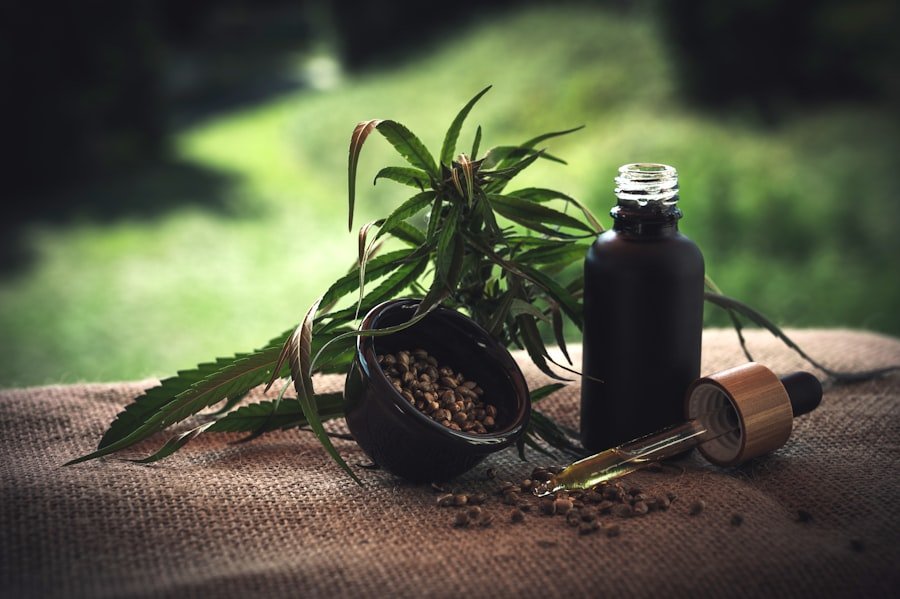
Herbal medicine encompasses a wide range of practices and formulations, each with its unique characteristics and applications. One common form is tinctures, which are concentrated liquid extracts made by soaking herbs in alcohol or vinegar. Tinctures are popular due to their potency and ease of use, allowing individuals to take small doses that can be easily absorbed by the body.
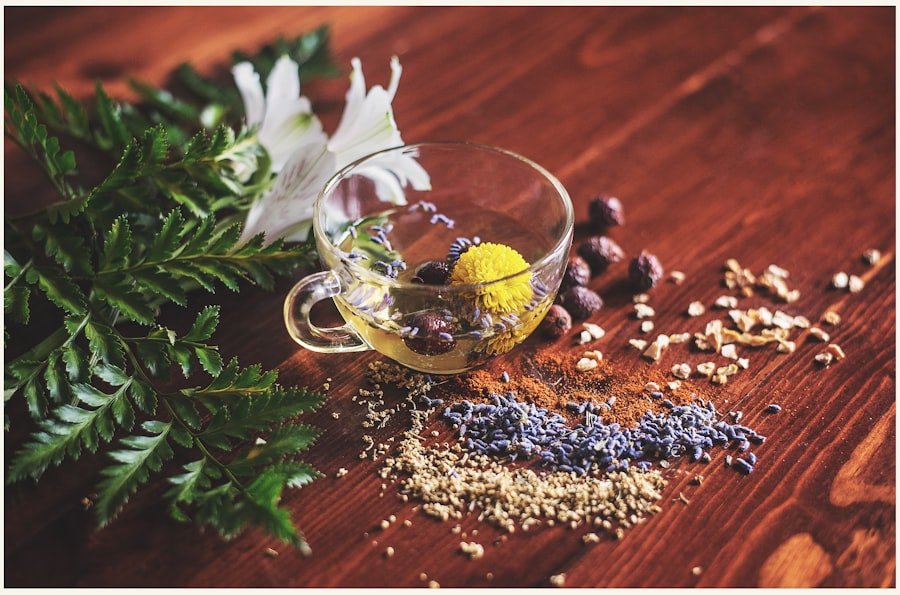
Another prevalent type is herbal teas, which offer a soothing way to consume medicinal plants. These infusions can provide various health benefits depending on the herbs used; for example, chamomile is known for its calming effects, while ginger can aid digestion. Additionally, capsules and tablets containing powdered herbs are widely available for those who prefer a more convenient method of consumption.
Each type of herbal medicine has its own set of advantages and can be tailored to meet individual health needs.
What to Expect from Herbal Medicine Courses in Perth
| Course Name | Duration | Curriculum | Practical Training |
|---|---|---|---|
| Introduction to Herbal Medicine | 3 months | Basic principles, plant identification, herbal preparations | Hands-on experience in creating herbal remedies |
| Advanced Herbal Medicine | 6 months | Advanced herbal therapeutics, clinical herbalism, herbal pharmacology | Internship at herbal clinics or dispensaries |
| Herbal Medicine and Nutrition | 4 months | Integration of herbal medicine with nutrition, dietary guidelines | Creating personalized herbal and nutritional plans |
For those interested in pursuing a career in herbal medicine or simply expanding their knowledge, enrolling in herbal medicine courses in Perth can be an enriching experience. These courses typically cover a broad spectrum of topics, including plant identification, preparation methods, and the therapeutic properties of various herbs. Students can expect a blend of theoretical knowledge and practical skills that will equip them to work effectively in this field.
In addition to learning about specific herbs and their uses, students will also delve into the principles of holistic health and how to assess clients’ needs. Many courses incorporate hands-on training, allowing students to practice formulating remedies and understanding how to tailor treatments to individual circumstances. This comprehensive approach ensures that graduates are well-prepared to enter the workforce or enhance their personal wellness journeys.
The Importance of Accreditation and Certification
When considering herbal medicine courses, it is crucial to pay attention to accreditation and certification. Enrolling in a program that is recognized by relevant professional bodies ensures that the education received meets industry standards and prepares students for successful careers in herbal medicine. Accreditation also lends credibility to the qualifications obtained, which can be essential when seeking employment or establishing a practice.
Certification from reputable organizations can further enhance a practitioner’s credentials. It demonstrates a commitment to ongoing education and adherence to ethical practices within the field. For clients seeking herbal remedies, working with certified practitioners provides peace of mind that they are receiving safe and effective care based on established guidelines.
The Role of Herbal Medicine in Modern Healthcare
In recent years, there has been a notable shift towards integrating herbal medicine into modern healthcare systems. As more individuals seek natural alternatives to pharmaceuticals, healthcare providers are increasingly recognizing the value of incorporating herbal remedies into treatment plans. This integration can lead to improved patient outcomes and greater satisfaction among those seeking holistic care.
Herbal medicine is particularly beneficial in managing chronic conditions such as stress, anxiety, pain, and sleep disorders—issues that many Australians face today. By offering complementary therapies alongside conventional treatments, healthcare practitioners can provide a more comprehensive approach to patient care. This collaboration between conventional and alternative medicine fosters an environment where patients feel empowered to take charge of their health.
Understanding the Principles of Herbal Medicine
At the core of herbal medicine lies a set of principles that guide practitioners in their approach to healing. One fundamental principle is the concept of “vitalism,” which posits that living organisms possess an innate healing ability. Herbalists work to support this natural healing process by using plants that resonate with an individual’s unique constitution and health needs.
Another key principle is the importance of balance—both within the body and between the individual and their environment. Herbal medicine emphasizes the interconnectedness of physical, emotional, and spiritual health. Practitioners often assess not only the symptoms presented but also lifestyle factors such as diet, stress levels, and emotional well-being.
By addressing these interconnected aspects, herbalists aim to restore harmony and promote overall wellness.
The Practical Aspects of Studying Herbal Medicine
Studying herbal medicine involves both theoretical knowledge and practical application. Students will learn about various herbs’ properties, including their active constituents and potential interactions with other medications or conditions. This foundational knowledge is essential for making informed decisions when recommending remedies.
Practical training often includes hands-on experience in preparing herbal formulations such as tinctures, salves, and teas. Students may also engage in fieldwork to identify plants in their natural habitats and learn about sustainable harvesting practices. This experiential learning fosters a deeper connection with nature and enhances students’ understanding of how to work with herbs effectively.
Career Opportunities in Herbal Medicine
The field of herbal medicine offers diverse career opportunities for those passionate about natural health solutions. Graduates may choose to become practicing herbalists, providing consultations and personalized treatment plans for clients seeking alternative therapies. Others may find roles in wellness centers, holistic clinics, or even integrative healthcare settings where they collaborate with conventional medical professionals.
Additionally, there are opportunities in research and education within the realm of herbal medicine. Some individuals may choose to focus on developing new formulations or studying the efficacy of specific herbs through clinical trials. Teaching positions at educational institutions also allow experienced practitioners to share their knowledge with aspiring herbalists.
Finding the Right Herbal Medicine Course for You
With various herbal medicine courses available in Perth, finding the right one can feel overwhelming. It’s essential to consider factors such as course content, duration, teaching methods, and accreditation status when making your decision. Researching different programs and reading reviews from past students can provide valuable insights into what each course offers.
Additionally, consider your personal goals—whether you aim to pursue a career as a practitioner or simply wish to deepen your understanding of herbal remedies for personal use. Some courses may focus more on clinical practice, while others emphasize theoretical knowledge or specific areas such as nutrition or aromatherapy. Identifying your priorities will help you select a course that aligns with your aspirations.
The Future of Herbal Medicine
As we look ahead, the future of herbal medicine appears promising within Australia’s evolving healthcare landscape. With increasing awareness about the benefits of natural therapies and growing demand for holistic approaches to health, herbal medicine is poised for greater acceptance among both practitioners and patients alike. Moreover, advancements in research are likely to continue validating traditional uses of herbs while exploring new applications for modern health challenges.
As more studies emerge highlighting the efficacy of specific herbs in treating various conditions, we can expect an even broader integration of herbal medicine into mainstream healthcare practices. In conclusion, herbal medicine represents a time-honored approach that resonates with many Australians seeking natural solutions for their health concerns. By understanding its history, benefits, principles, and practical applications through accredited courses like those offered by Verda Health, individuals can empower themselves on their wellness journeys while contributing positively to the future landscape of healthcare in Australia.
If you’re ready to explore this enriching field further or seek holistic solutions for your health needs, consider reaching out to Verda Health today!
If you’re interested in exploring the world of herbal medicine courses in Perth, you might find it beneficial to delve into related topics that enhance your understanding of natural healing practices. A great resource to consider is the article on Unlocking the Power of Meridian Healing. This article provides insights into the ancient practice of meridian healing, which complements the principles of herbal medicine by focusing on the body’s energy pathways. Understanding these concepts can enrich your knowledge and application of herbal remedies, making it a valuable read for anyone pursuing a course in herbal medicine.