
Nasal obstruction is a common condition that affects individuals of all ages, leading to discomfort and a range of health issues. It occurs when the nasal passages become blocked or narrowed, making it difficult to breathe through the nose. This obstruction can be temporary or chronic, and it can significantly impact a person’s quality of life.
Symptoms often include difficulty breathing, snoring, and a feeling of pressure in the sinuses. Understanding the underlying causes of nasal obstruction is crucial for effective management and treatment. The nasal passages are lined with mucous membranes that can become inflamed or swollen due to various factors.
When this happens, airflow is restricted, leading to the sensation of nasal congestion. In some cases, nasal obstruction can also result in secondary complications such as sinus infections, sleep disturbances, and even changes in voice quality. Recognizing the signs and symptoms of nasal obstruction is the first step toward finding relief and restoring normal breathing.
Key Takeaways
- Nasal obstruction can be caused by a variety of factors, including allergies, deviated septum, nasal polyps, and chronic sinusitis.
- Allergies can lead to nasal obstruction by causing inflammation and swelling of the nasal passages.
- A deviated septum can cause nasal obstruction by blocking airflow through the nostrils.
- Nasal polyps are growths in the nasal passages that can lead to blockage and difficulty breathing.
- Lifestyle changes, such as using a humidifier and avoiding triggers, can help manage nasal obstruction.
Common Causes of Nasal Obstruction
There are several common causes of nasal obstruction, each with its own set of characteristics and implications for treatment. One of the most prevalent causes is allergic rhinitis, which occurs when the immune system overreacts to allergens such as pollen, dust mites, or pet dander. This reaction leads to inflammation in the nasal passages, resulting in congestion and discomfort.
Other causes include infections, such as the common cold or sinusitis, which can lead to swelling and mucus buildup. Structural issues within the nasal cavity can also contribute to obstruction. For instance, a deviated septum—a condition where the cartilage dividing the nostrils is misaligned—can restrict airflow and lead to chronic congestion.
Additionally, nasal polyps, which are noncancerous growths in the nasal lining, can further obstruct airflow. Understanding these causes is essential for determining the most appropriate treatment options for individuals experiencing nasal obstruction.
Allergies and Nasal Obstruction

Allergies are a significant contributor to nasal obstruction, affecting millions of Australians each year.
Seasonal allergies, often referred to as hay fever, are particularly common during certain times of the year when pollen counts are high. However, indoor allergens like dust mites and pet dander can cause year-round symptoms for many individuals. Managing allergies effectively is crucial for alleviating nasal obstruction.
Identifying specific allergens through testing can help individuals avoid triggers and reduce symptoms. Over-the-counter antihistamines and decongestants can provide temporary relief from allergy-related nasal obstruction. However, for those with persistent symptoms, consulting with a healthcare professional may be necessary to explore more comprehensive treatment options.
Deviated Septum and Nasal Obstruction
| Metrics | Statistics |
|---|---|
| Prevalence of Deviated Septum | 3-60% of the population |
| Common Symptoms | Nasal congestion, difficulty breathing, snoring |
| Treatment Options | Nasal decongestants, nasal steroid sprays, surgery |
| Complications | Chronic sinus infections, sleep apnea |
A deviated septum is a structural issue that can significantly contribute to nasal obstruction. The septum is the cartilage and bone that separates the two nostrils; when it is deviated or crooked, it can block one or both nasal passages. Many people may not even realize they have a deviated septum until they experience symptoms such as chronic congestion or difficulty breathing through one side of their nose.
In some cases, a deviated septum can be present from birth or result from an injury. While not everyone with a deviated septum will require treatment, those who experience significant symptoms may benefit from medical intervention. Treatment options may include medications to manage symptoms or surgical procedures to correct the deviation and improve airflow through the nasal passages.
Nasal Polyps and Nasal Obstruction
Nasal polyps are soft, painless growths that develop on the lining of the nasal passages or sinuses due to chronic inflammation. They can vary in size and may occur in clusters. While many individuals with nasal polyps may not experience symptoms, larger polyps can lead to significant nasal obstruction and other complications such as sinus infections.
The exact cause of nasal polyps is not fully understood, but they are often associated with conditions like asthma, allergies, and chronic sinusitis. Treatment for nasal polyps typically involves medications such as corticosteroids to reduce inflammation and shrink the polyps. In cases where polyps are large or resistant to medication, surgical removal may be necessary to restore normal airflow and alleviate symptoms.
Chronic Sinusitis and Nasal Obstruction
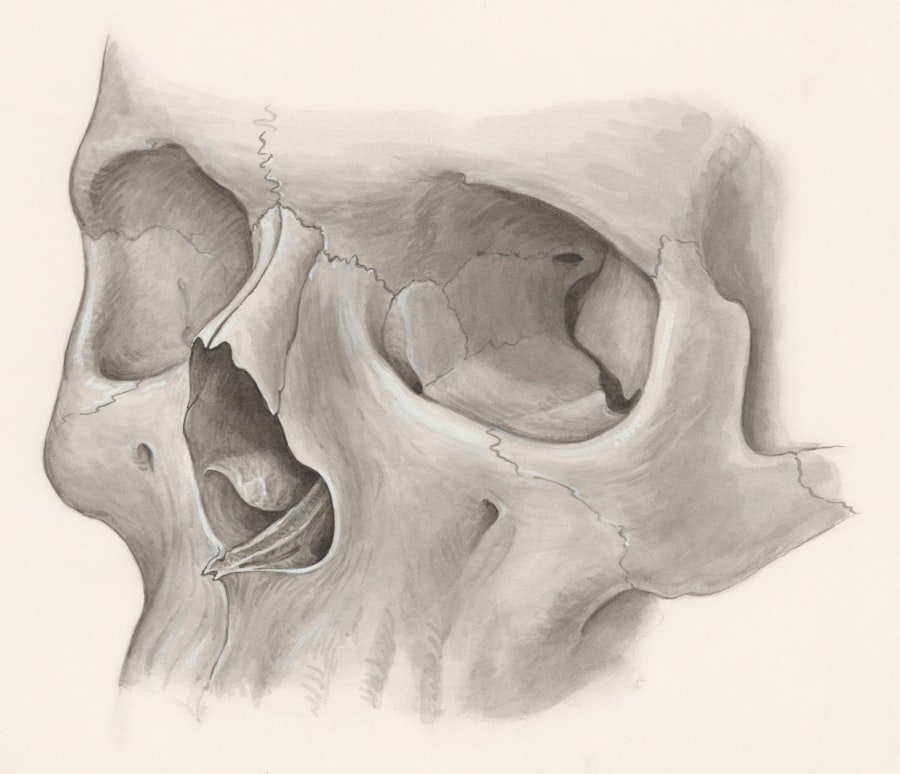
Chronic sinusitis is a condition characterized by prolonged inflammation of the sinuses, often leading to persistent nasal obstruction. This condition can result from various factors, including allergies, infections, or structural issues within the nasal cavity. Symptoms of chronic sinusitis may include facial pain or pressure, thick nasal discharge, reduced sense of smell, and ongoing congestion.
Managing chronic sinusitis often requires a multifaceted approach that addresses both the underlying causes and symptoms. Treatment options may include saline nasal irrigation to clear mucus buildup, corticosteroids to reduce inflammation, and antibiotics if a bacterial infection is present. For individuals with recurrent episodes of chronic sinusitis, further evaluation by an ear, nose, and throat specialist may be necessary to explore surgical options for improving sinus drainage.
Solutions for Nasal Obstruction
Finding effective solutions for nasal obstruction involves understanding the underlying cause and exploring various treatment options tailored to individual needs. For many individuals experiencing mild symptoms, lifestyle changes such as staying hydrated, using humidifiers, and avoiding known allergens can provide relief. Additionally, practicing good nasal hygiene through regular saline rinses can help clear mucus and reduce inflammation.
For those with more severe or persistent symptoms, consulting with a healthcare professional is essential for developing a comprehensive treatment plan. This may include prescription medications or referrals to specialists who can provide targeted interventions based on specific diagnoses. By taking proactive steps toward managing nasal obstruction, individuals can improve their overall quality of life and breathe easier.
Over-the-Counter Remedies for Nasal Obstruction
Over-the-counter (OTC) remedies are often the first line of defense for individuals dealing with nasal obstruction. Decongestants work by narrowing blood vessels in the nasal passages, reducing swelling and allowing for improved airflow. These medications come in various forms, including oral tablets and nasal sprays.
However, it’s important to use them as directed to avoid potential side effects or rebound congestion. Antihistamines are another popular OTC option for managing allergy-related nasal obstruction. They work by blocking histamine receptors in the body, reducing allergic reactions that lead to inflammation in the nasal passages.
While these medications can provide relief from symptoms like sneezing and itching, they may also cause drowsiness in some individuals. It’s essential to choose the right medication based on specific symptoms and consult with a healthcare professional if there are any concerns.
Prescription Treatments for Nasal Obstruction
For individuals experiencing more severe or chronic nasal obstruction that does not respond to OTC remedies, prescription treatments may be necessary. Corticosteroid nasal sprays are commonly prescribed to reduce inflammation in the nasal passages and improve airflow. These medications are effective for managing conditions like allergic rhinitis and chronic sinusitis.
In some cases, healthcare providers may recommend oral corticosteroids for short-term use in managing severe inflammation or acute exacerbations of chronic conditions. Additionally, if bacterial infections are suspected as a contributing factor to nasal obstruction, antibiotics may be prescribed to address the underlying infection effectively.
Surgical Options for Nasal Obstruction
When conservative treatments fail to provide relief from persistent nasal obstruction caused by structural issues such as a deviated septum or large nasal polyps, surgical options may be considered. Septoplasty is a surgical procedure aimed at correcting a deviated septum by repositioning or removing excess cartilage or bone that obstructs airflow. Endoscopic sinus surgery is another option for individuals with chronic sinusitis or large polyps that do not respond to medication.
This minimally invasive procedure allows surgeons to remove obstructions within the sinuses and improve drainage pathways. Surgical interventions can lead to significant improvements in breathing and overall quality of life for those suffering from chronic nasal obstruction.
Lifestyle Changes to Manage Nasal Obstruction
In addition to medical treatments, making certain lifestyle changes can play a crucial role in managing nasal obstruction effectively. Staying hydrated is essential for maintaining healthy mucous membranes in the nasal passages; drinking plenty of water helps thin mucus secretions and promotes better drainage. Avoiding known allergens is another important step in managing allergy-related nasal obstruction.
Keeping living spaces clean by regularly dusting and vacuuming can help reduce exposure to indoor allergens like dust mites and pet dander. Additionally, using air purifiers can improve indoor air quality and minimize allergy triggers. Incorporating regular exercise into daily routines can also benefit respiratory health by promoting better circulation and lung function.
Practicing stress-reduction techniques such as yoga or meditation may further enhance overall well-being by reducing inflammation associated with stress-related conditions. By combining medical treatments with lifestyle changes tailored to individual needs, individuals experiencing nasal obstruction can take proactive steps toward achieving relief and improving their overall health and quality of life.
Nasal obstruction can significantly impact one’s quality of life, often leading individuals to explore various treatment options. For those interested in alternative approaches, an insightful article titled “Exploring Alternative Healthcare Options” delves into various non-conventional therapies that might offer relief. This piece provides a comprehensive overview of different methods that can complement traditional treatments for nasal obstruction. To learn more about these alternative healthcare options, you can read the full article by following this link.
FAQs
What is nasal obstruction?
Nasal obstruction refers to the blockage or congestion of the nasal passages, which can make it difficult to breathe through the nose.
What are the common causes of nasal obstruction?
Common causes of nasal obstruction include allergies, sinus infections, deviated septum, nasal polyps, and enlarged turbinates.
What are the symptoms of nasal obstruction?
Symptoms of nasal obstruction may include difficulty breathing through the nose, snoring, mouth breathing, reduced sense of smell, and frequent sinus infections.
How is nasal obstruction diagnosed?
Nasal obstruction can be diagnosed through a physical examination by a healthcare professional, as well as imaging tests such as a CT scan or MRI to identify any structural issues in the nasal passages.
What are the treatment options for nasal obstruction?
Treatment options for nasal obstruction may include nasal decongestants, antihistamines, nasal corticosteroid sprays, nasal saline irrigation, and in some cases, surgical intervention to correct structural issues.