
In Queensland, the legal status of cannabis remains a complex and evolving issue. As of now, cannabis is classified as a Schedule 1 drug under the Drugs Misuse Act 1986, which means it is illegal to possess, use, or supply cannabis for recreational purposes. This classification reflects the state’s commitment to controlling substances that are deemed harmful to public health and safety.
However, there has been a growing movement advocating for the decriminalization and legalization of cannabis, particularly for medicinal use, which has sparked significant public interest and debate. The legal landscape surrounding cannabis in Queensland is not static; it is influenced by changing societal attitudes and ongoing research into the potential benefits of cannabis. While recreational use remains illegal, there is a notable shift towards recognizing the therapeutic potential of cannabis, leading to discussions about reforming existing laws.
This evolving legal status highlights the need for individuals to stay informed about current regulations and any potential changes that may arise in the future.
Key Takeaways
- Cannabis is illegal for recreational use in Queensland, with strict penalties for possession and use.
- Penalties for possession and use of cannabis in Queensland can include fines, community service, and imprisonment.
- Medical cannabis laws in Queensland allow for access to cannabis for medical purposes under certain conditions.
- Cultivation and supply of cannabis in Queensland are illegal and can result in severe penalties, including imprisonment.
- Driving under the influence of cannabis in Queensland is a criminal offense with significant penalties, including license suspension and fines.
Penalties for Possession and Use of Cannabis in Queensland
Possession and use of cannabis in Queensland carry significant penalties. For individuals caught with small amounts of cannabis, typically defined as 50 grams or less, the penalties can vary depending on the circumstances. First-time offenders may receive a caution or a fine, while repeat offenders or those found with larger quantities may face more severe consequences, including criminal charges that could lead to imprisonment.
The legal system aims to deter drug use through these penalties, but critics argue that such measures disproportionately affect marginalized communities. In addition to legal repercussions, individuals charged with cannabis-related offenses may also face social stigma and challenges in securing employment or housing. The penalties for possession and use serve as a reminder of the ongoing tension between public health concerns and individual freedoms.
As discussions around cannabis reform continue, it is essential for Queensland residents to understand the implications of current laws and the potential for future changes that could alter the landscape of cannabis use in the state.
Medical Cannabis Laws in Queensland
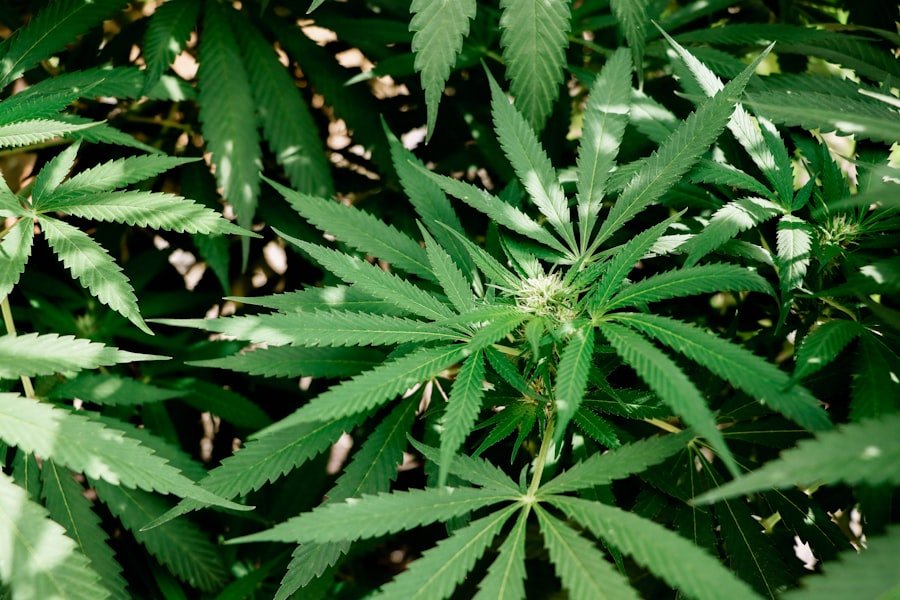
In recent years, Queensland has made significant strides in recognizing the medical benefits of cannabis. The state government has implemented a framework that allows for the prescription of medicinal cannabis to patients suffering from specific medical conditions. This framework is governed by strict regulations that require healthcare professionals to assess patients thoroughly before prescribing cannabis-based treatments.
Conditions such as chronic pain, epilepsy, and certain types of cancer are among those that may qualify for medical cannabis treatment. The process for obtaining medical cannabis in Queensland involves several steps, including consultations with a qualified medical practitioner who is authorized to prescribe these treatments. Patients must provide detailed medical histories and demonstrate that conventional treatments have been ineffective before being considered for medicinal cannabis.
While this framework has opened doors for many patients seeking alternative therapies, it also highlights the need for ongoing education and awareness about the benefits and risks associated with medical cannabis use.
Cannabis Cultivation and Supply Laws in Queensland
| Aspect | Details |
|---|---|
| Legalization Status | Medical cannabis legalized in 2016 |
| Cultivation License | Required for commercial cultivation |
| Supply Regulations | Tightly regulated by the government |
| Authorized Products | Only approved medical cannabis products |
Cannabis cultivation and supply laws in Queensland are stringent and closely regulated. Under current legislation, it is illegal for individuals to cultivate cannabis plants for personal use or distribution. The only legal cultivation occurs under specific licenses granted by the government for medical or research purposes.
These licenses are issued under strict conditions to ensure compliance with health and safety standards. The supply of cannabis, whether for recreational or medicinal use, is also tightly controlled. Only licensed producers are permitted to supply medicinal cannabis products to patients through authorized pharmacies.
As public interest in cannabis continues to grow, discussions around reforming cultivation and supply laws are becoming increasingly relevant, with advocates calling for more accessible options for patients who could benefit from these therapies.
Driving Under the Influence of Cannabis in Queensland
Driving under the influence of cannabis is treated seriously in Queensland, similar to driving under the influence of alcohol. The state has implemented strict laws that prohibit operating a vehicle while impaired by drugs, including cannabis. Random roadside drug testing is conducted to identify drivers who may be under the influence of illicit substances.
If a driver tests positive for THC, the active component in cannabis, they may face significant penalties, including fines, license suspension, and even imprisonment in severe cases. The legal framework surrounding drug driving aims to enhance road safety and reduce accidents caused by impaired driving. However, there is ongoing debate about the effectiveness of current testing methods, particularly regarding how they measure impairment levels accurately.
As research continues into the effects of cannabis on driving ability, it is crucial for drivers in Queensland to understand the risks associated with using cannabis before getting behind the wheel.
Workplace Drug Testing and Cannabis Use in Queensland
Workplace drug testing policies in Queensland often include testing for cannabis use, reflecting employers’ concerns about safety and productivity. Many industries, particularly those involving heavy machinery or safety-sensitive roles, implement drug testing protocols to ensure a safe working environment. Employees who test positive for cannabis may face disciplinary actions, including termination of employment, depending on company policies.
While employers have a right to maintain workplace safety, employees also have rights regarding privacy and personal choices outside of work hours. This creates a complex dynamic where individuals must navigate their personal use of cannabis while adhering to workplace regulations. As societal attitudes towards cannabis continue to evolve, there may be calls for more balanced approaches that consider both employee rights and workplace safety.
Public Consumption of Cannabis in Queensland
Public consumption of cannabis remains illegal in Queensland, reflecting broader societal concerns about drug use in public spaces. Individuals caught using cannabis in public may face fines or other penalties similar to those imposed for possession. This prohibition aims to maintain public order and prevent potential negative impacts on community health and safety.
Despite these restrictions, there is a growing movement advocating for more lenient regulations regarding public consumption of cannabis, particularly as attitudes shift towards acceptance of its medicinal benefits. Advocates argue that allowing designated areas for consumption could promote responsible use while reducing stigma associated with cannabis. As discussions around public consumption continue, it is essential for residents to stay informed about current laws and any potential changes on the horizon.
Cannabis and Minors: Laws and Penalties in Queensland
The laws surrounding cannabis use among minors in Queensland are particularly stringent due to concerns about health and development. It is illegal for individuals under 18 years old to possess or use cannabis, with severe penalties imposed on both minors and adults who supply cannabis to minors. These laws reflect a commitment to protecting young people from the potential harms associated with drug use.
Penalties for minors caught with cannabis can include fines, mandatory counseling sessions, or participation in drug education programs. The focus on education rather than punishment aims to provide young people with the knowledge they need to make informed choices about their health and well-being.
Cannabis and Indigenous Communities in Queensland
Indigenous communities in Queensland have unique perspectives on cannabis use that reflect their cultural values and historical experiences with substance regulation. Many Indigenous Australians advocate for greater autonomy over their health choices, including access to traditional healing practices that may incorporate cannabis. However, these communities also face challenges related to legal restrictions on cannabis use and cultivation.
The intersection of cannabis laws and Indigenous rights raises important questions about equity and access to healthcare options. Advocates argue that Indigenous communities should have a voice in shaping policies that affect their health and well-being. As discussions around cannabis reform continue, it is essential to engage Indigenous perspectives and ensure that any changes consider their cultural context and needs.
Proposed Changes to Cannabis Laws in Queensland
As public interest in cannabis continues to grow, there are increasing calls for reforming existing laws in Queensland. Advocates argue for decriminalization or legalization of recreational cannabis use, citing potential benefits such as increased tax revenue, reduced strain on law enforcement resources, and improved access to safe products for consumers. Additionally, there are proposals to expand access to medical cannabis by streamlining prescription processes and increasing awareness among healthcare providers.
While some lawmakers are open to discussing potential changes, others remain cautious due to concerns about public health implications and societal impacts. The debate surrounding proposed changes reflects broader conversations about drug policy reform across Australia. As these discussions evolve, it is crucial for residents to engage with policymakers and advocate for evidence-based approaches that prioritize health and safety.
Resources for Support and Information on Cannabis in Queensland
For individuals seeking support or information regarding cannabis laws in Queensland, several resources are available. Government websites provide up-to-date information on current legislation, penalties, and medical cannabis access pathways. Additionally, community organizations offer educational programs aimed at raising awareness about responsible drug use and available support services.
Healthcare professionals can also serve as valuable resources for individuals navigating their options regarding cannabis use—whether for recreational or medicinal purposes. Engaging with trusted sources ensures that individuals make informed decisions based on reliable information rather than misconceptions or stigma surrounding cannabis use. In conclusion, understanding the legal landscape surrounding cannabis in Queensland is essential for residents navigating this complex issue.
As discussions around reform continue to evolve, staying informed about current laws and potential changes will empower individuals to make educated choices regarding their health and well-being while advocating for policies that reflect their needs and values.
In recent years, the conversation around cannabis legality in Queensland has gained significant attention, with many advocating for changes in legislation to allow for medical and recreational use. As the debate continues, it’s important to consider various perspectives and related health practices that might complement or enhance the benefits of cannabis. An interesting read on this topic is the article on Unlocking the Power of Meridian Healing, which explores alternative healing methods that could potentially work in synergy with cannabis therapies. This article provides insights into how traditional practices can be integrated with modern approaches to health and wellness, offering a holistic view of patient care.
FAQs
What is the current legal status of cannabis in Queensland?
Cannabis is illegal for recreational use in Queensland. However, medicinal cannabis can be prescribed by a registered medical practitioner in certain circumstances.
Can I possess or use cannabis for recreational purposes in Queensland?
No, it is illegal to possess or use cannabis for recreational purposes in Queensland. Doing so can result in legal consequences.
Can I grow cannabis for personal use in Queensland?
No, it is illegal to grow cannabis for personal use in Queensland. Cultivating cannabis plants can result in legal consequences.
Can I be prescribed medicinal cannabis in Queensland?
Yes, under certain circumstances, a registered medical practitioner can prescribe medicinal cannabis in Queensland. This is typically for patients with specific medical conditions.
What are the penalties for possessing or using cannabis illegally in Queensland?
Penalties for possessing or using cannabis illegally in Queensland can include fines, community service, and in some cases, imprisonment. The severity of the penalty can depend on the quantity of cannabis involved and the individual’s prior criminal record.
Is there any movement towards legalizing recreational cannabis in Queensland?
There have been discussions and debates about the potential legalization of recreational cannabis in Queensland, but as of now, it remains illegal for non-medicinal use. Any changes to the legal status of cannabis would require legislative action.