
As of now, the legal status of cannabis in Queensland is a complex and evolving issue. While recreational use remains illegal, the state has made significant strides in the realm of medical cannabis. In 2016, Queensland legalized the use of cannabis for medicinal purposes, allowing patients with specific medical conditions to access cannabis-based treatments.
This legislative change marked a pivotal moment in the state’s approach to cannabis, reflecting a growing recognition of its potential therapeutic benefits. Despite the progress made in medical cannabis legalization, recreational use continues to be prohibited. Possession, cultivation, and distribution of cannabis for non-medical purposes can lead to criminal charges, including fines and imprisonment.
However, there is a growing public discourse surrounding the potential for broader legalization, with advocates arguing for a more comprehensive approach that includes recreational use. This ongoing debate highlights the need for continued dialogue and research into the implications of cannabis legalization in Queensland.
Key Takeaways
- Cannabis is illegal for recreational use in Queensland, but legal for medical use with a prescription.
- Queensland has a history of strict drug laws, but there is growing support for cannabis legalization.
- Legalizing cannabis in Queensland could lead to economic growth, job creation, and tax revenue.
- Concerns about cannabis legalization in Queensland include potential increase in drug abuse and impaired driving.
- Law enforcement in Queensland may need to adapt to new regulations and focus on more serious crimes if cannabis is legalized.
The History of Cannabis Legalization in Queensland
The history of cannabis legalization in Queensland is marked by a gradual shift in public perception and legislative action. Initially, cannabis was classified as an illegal substance under the Drugs Misuse Act 1986, reflecting a broader national stance against drug use. However, as research into the medicinal properties of cannabis gained traction, attitudes began to change.
By the early 2000s, advocacy groups and medical professionals started to push for reform, emphasizing the need for access to cannabis for patients suffering from chronic pain, epilepsy, and other debilitating conditions. In 2016, the Queensland government took a significant step forward by amending the Drugs Misuse Act to allow for the legal prescription of medicinal cannabis. This change was driven by mounting evidence supporting the efficacy of cannabis in treating various health issues.
The establishment of a regulatory framework for medical cannabis marked a turning point in Queensland’s approach to drug policy, paving the way for further discussions about potential recreational legalization in the future.
The Benefits of Cannabis Legalization
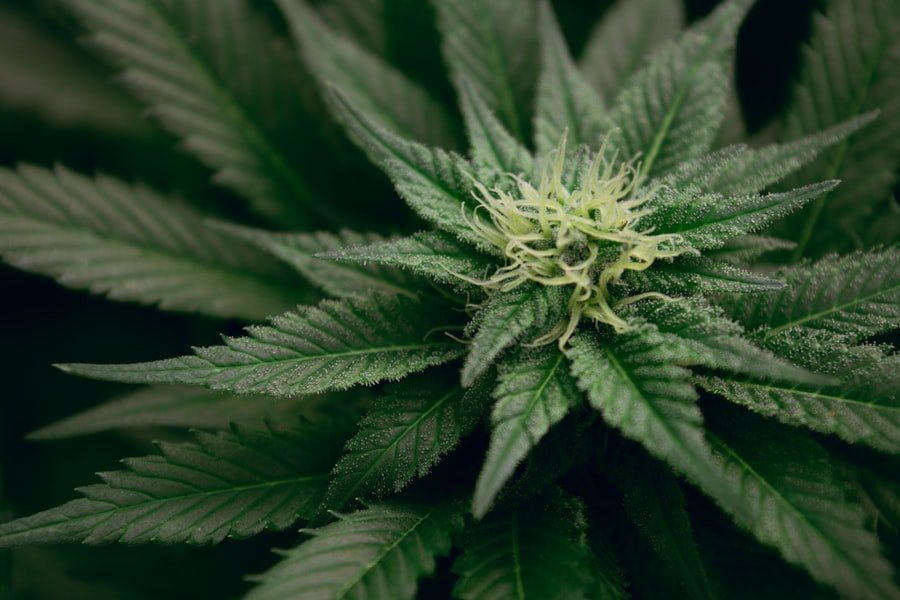
The benefits of cannabis legalization extend beyond individual health outcomes; they encompass social, economic, and public safety dimensions as well. One of the most compelling arguments for legalization is the potential for improved patient care. Medical cannabis has been shown to alleviate symptoms associated with chronic pain, anxiety, and other conditions where conventional treatments may fall short.
By providing patients with access to safe and regulated cannabis products, healthcare providers can offer more comprehensive treatment options tailored to individual needs. Moreover, legalization can lead to significant economic benefits. The establishment of a legal cannabis market creates job opportunities in cultivation, distribution, and retail sectors.
Tax revenue generated from cannabis sales can be reinvested into public services such as education and healthcare. Additionally, reducing the burden on law enforcement resources by decriminalizing cannabis can allow police to focus on more pressing issues, ultimately contributing to safer communities.
The Potential Risks and Concerns of Cannabis Legalization
| Category | Potential Risks and Concerns |
|---|---|
| Health | Increased risk of respiratory issues from smoking |
| Impact on mental health, especially in young users | |
| Potential for addiction and substance abuse | |
| Public Safety | Impaired driving and increased accidents |
| Impact on workplace safety and productivity | |
| Regulation | Challenges in enforcing age restrictions |
| Difficulty in controlling potency and quality of products |
While there are numerous benefits associated with cannabis legalization, it is essential to acknowledge the potential risks and concerns that accompany such a significant policy shift. One primary concern is the impact on public health, particularly among young people. Critics argue that increased accessibility to cannabis could lead to higher rates of use among adolescents, potentially resulting in negative health outcomes such as impaired cognitive development and increased risk of mental health disorders.
Another concern revolves around the regulation and quality control of cannabis products. Ensuring that consumers have access to safe and effective products is paramount; without proper oversight, there is a risk of unregulated products entering the market that may be contaminated or mislabelled. Establishing a robust regulatory framework is crucial to mitigate these risks and protect public health while still allowing for the benefits of legalization.
The Impact of Cannabis Legalization on Law Enforcement
The impact of cannabis legalization on law enforcement is multifaceted and warrants careful consideration. On one hand, legalization can alleviate some pressures on law enforcement agencies by reducing the number of arrests related to minor drug offenses. This shift allows police resources to be redirected toward more serious crimes and community safety initiatives.
In jurisdictions where cannabis has been legalized, there has often been a notable decrease in drug-related arrests, contributing to a more efficient use of law enforcement resources. On the other hand, legalization presents new challenges for law enforcement agencies. Officers must adapt to changing laws and regulations surrounding cannabis use and possession.
This includes developing protocols for addressing impaired driving under the influence of cannabis and ensuring compliance with new regulations governing its sale and distribution. Ongoing training and education will be essential for law enforcement personnel to navigate this evolving landscape effectively.
The Impact of Cannabis Legalization on Public Health
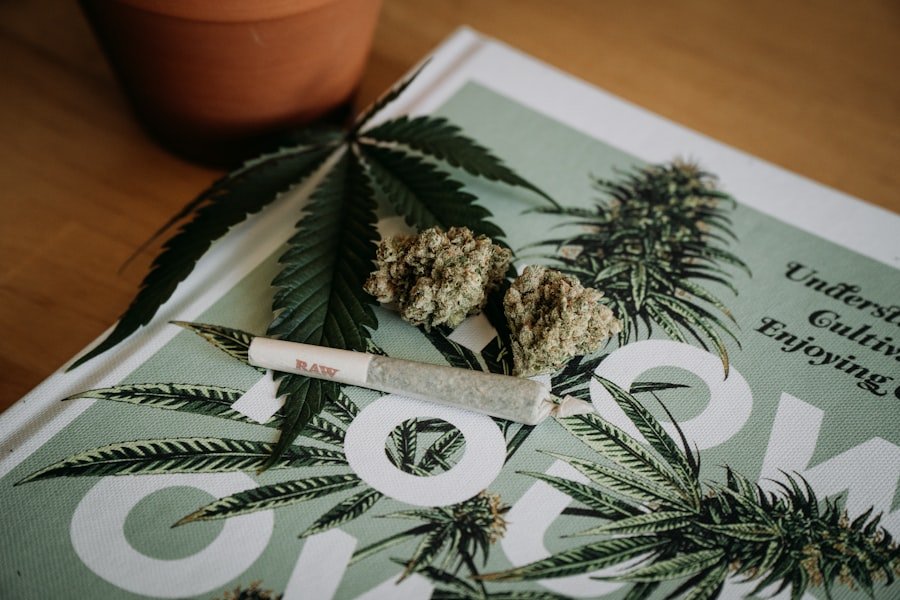
The impact of cannabis legalization on public health is a critical area of study as more regions consider reforming their cannabis laws. Proponents argue that legalizing cannabis can lead to improved health outcomes by providing patients with access to alternative treatment options that may be more effective than traditional pharmaceuticals. For individuals suffering from chronic pain or mental health issues, medical cannabis can offer relief without the side effects often associated with conventional medications.
However, it is essential to approach this issue with caution. Public health officials must monitor potential increases in cannabis use among vulnerable populations, particularly youth. Education campaigns aimed at informing the public about responsible use and potential risks are vital components of any legalization strategy.
Additionally, ongoing research into the long-term effects of cannabis use on physical and mental health will be crucial in shaping future policies and ensuring that public health remains a priority.
The Economic Implications of Cannabis Legalization
The economic implications of cannabis legalization are significant and multifaceted.
In regions where cannabis has been legalized, tax revenues have often exceeded initial projections, providing a financial boon that can benefit communities at large.
Furthermore, legalization creates job opportunities across various sectors, from agriculture to retail. The cultivation and distribution of cannabis require a skilled workforce, leading to job creation in areas such as farming, processing, and sales. This economic growth can have a ripple effect on local economies, stimulating business development and attracting investment.
As Queensland continues to explore the potential for broader cannabis legalization, understanding these economic implications will be crucial for policymakers.
The Regulatory Framework for Cannabis Legalization in Queensland
Establishing a robust regulatory framework is essential for successful cannabis legalization in Queensland. A well-designed framework should address key issues such as licensing, quality control, distribution channels, and public safety measures. By creating clear guidelines for producers and retailers, regulators can ensure that consumers have access to safe and effective products while minimizing potential risks associated with unregulated markets.
In addition to product safety regulations, the framework should also include provisions for education and awareness campaigns aimed at informing the public about responsible use practices. Collaboration between government agencies, healthcare providers, and community organizations will be vital in developing comprehensive strategies that promote safe consumption while addressing public health concerns.
The Process for Obtaining a Cannabis License in Queensland
The process for obtaining a cannabis license in Queensland involves several steps designed to ensure compliance with regulatory requirements while promoting responsible practices within the industry. Applicants must demonstrate their understanding of relevant laws and regulations governing cannabis production and distribution. This includes providing detailed plans for cultivation methods, security measures, and quality control protocols.
Additionally, applicants may be required to undergo background checks and provide evidence of financial stability to ensure they can operate within the legal framework effectively. The licensing process aims to create a transparent system that prioritizes public safety while allowing qualified individuals and businesses to participate in the emerging cannabis market.
The Availability of Medical Cannabis in Queensland
Medical cannabis is available in Queensland under specific conditions outlined by state legislation. Patients suffering from qualifying medical conditions such as chronic pain, epilepsy, or terminal illness may be eligible for medical cannabis prescriptions from authorized healthcare providers. This access allows patients to explore alternative treatment options that may provide relief when conventional therapies have proven ineffective.
However, navigating the process can be complex for patients seeking medical cannabis. It often requires consultations with healthcare professionals who are knowledgeable about the legal requirements and potential benefits of medical cannabis use. As awareness grows regarding its therapeutic potential, efforts are being made to streamline access and improve education around medical cannabis options available to patients in Queensland.
The Future of Cannabis Legalization in Queensland
The future of cannabis legalization in Queensland remains uncertain but promising as public opinion continues to evolve alongside emerging research on its benefits and risks. Advocacy groups are actively pushing for broader reforms that would allow recreational use while emphasizing responsible consumption practices and public health considerations. As discussions around legalization progress, it will be essential for policymakers to engage with stakeholders across various sectors—healthcare professionals, law enforcement agencies, community organizations—to develop comprehensive strategies that address concerns while maximizing potential benefits.
With ongoing research into the impacts of legalization in other jurisdictions serving as valuable case studies, Queensland has an opportunity to shape its approach thoughtfully and responsibly as it navigates this transformative issue in healthcare policy. In conclusion, while there are challenges ahead regarding cannabis legalization in Queensland—ranging from regulatory frameworks to public health considerations—the potential benefits are substantial. As society continues to embrace alternative approaches to healthcare and wellness solutions like those offered by Verda Health, it is crucial that we remain informed about developments surrounding cannabis legislation and its implications for individuals seeking natural remedies for their health concerns.
In recent years, the use of topical cannabis products has gained attention in Queensland as a potential alternative for pain relief and stress management. These products are becoming increasingly popular due to their non-invasive application and potential therapeutic benefits. For those interested in exploring alternative therapies, an article on acupressure therapy provides insights into another natural method for alleviating pain and stress. This approach, like topical cannabis, offers a holistic way to manage discomfort and improve overall well-being.
FAQs
What is topical cannabis?
Topical cannabis refers to cannabis-infused products that are applied directly to the skin. These products are designed to provide localized relief from pain, inflammation, and other skin conditions without producing a psychoactive effect.
Is topical cannabis legal in Queensland?
As of September 2021, topical cannabis products are legal for use in Queensland for medicinal purposes with a prescription from a registered medical practitioner.
What conditions can topical cannabis be used for?
Topical cannabis can be used to alleviate symptoms associated with various conditions, including arthritis, muscle pain, dermatitis, psoriasis, and eczema. It may also provide relief from localized pain and inflammation.
How does topical cannabis work?
When applied to the skin, topical cannabis products interact with the body’s endocannabinoid system, which plays a role in regulating pain, inflammation, and immune response. The cannabinoids in the topical product bind to cannabinoid receptors in the skin, providing localized relief.
Are there any side effects of using topical cannabis?
While topical cannabis is generally well-tolerated, some individuals may experience mild skin irritation or allergic reactions. It is important to consult with a healthcare professional before using topical cannabis, especially if you have sensitive skin or existing skin conditions.
Can topical cannabis cause a “high” or intoxication?
When used topically, cannabis products are not typically absorbed into the bloodstream in amounts large enough to produce psychoactive effects. As a result, topical cannabis is unlikely to cause a “high” or intoxication when used as directed.