
Anxiety is a common experience that many Australians face, particularly those aged 30 to 65 who may be juggling various life responsibilities, such as work, family, and personal health. It can manifest in numerous ways, from persistent worry and restlessness to physical symptoms like increased heart rate and muscle tension. Understanding anxiety is the first step toward managing it effectively.
It’s essential to recognize that anxiety is not merely a personal failing or a sign of weakness; rather, it is a complex emotional response that can be influenced by various factors, including genetics, environment, and life experiences. For many, conventional medicine may not provide the relief they seek. This can lead to feelings of frustration and helplessness.
However, it’s important to know that there are alternative approaches that may help in managing anxiety. A holistic, evidence-informed approach to well-being can offer valuable support. This perspective considers the whole person—mind, body, and spirit—rather than focusing solely on symptoms.
By exploring various strategies, individuals can find what resonates with them and may lead to improved emotional health.
Key Takeaways
- Anxiety can be managed through a combination of techniques including breathing exercises, mindfulness, and lifestyle changes.
- Natural remedies like herbal supplements, aromatherapy, and regular exercise can help reduce anxiety symptoms.
- Adequate sleep and a balanced diet play crucial roles in maintaining mental health and alleviating anxiety.
- Social support and creating a calming home environment contribute significantly to anxiety management.
- Professional help is important when anxiety becomes overwhelming or persistent despite self-care efforts.
Breathing Techniques for Anxiety Relief
One of the simplest yet most effective tools for managing anxiety is the practice of controlled breathing techniques. These methods can help calm the nervous system and promote a sense of relaxation. Deep breathing exercises, such as diaphragmatic breathing or the 4-7-8 technique, encourage individuals to focus on their breath, which can divert attention from anxious thoughts and create a moment of peace.
By inhaling deeply through the nose for a count of four, holding for seven, and exhaling slowly through the mouth for eight counts, individuals may find a reduction in their anxiety levels. Incorporating breathing techniques into daily routines can be beneficial. Whether it’s taking a few moments during a busy workday or setting aside time in the morning or evening, these practices can serve as a grounding tool.
Over time, individuals may notice that they feel more equipped to handle stressors as they arise. The beauty of these techniques lies in their accessibility; they can be practiced anywhere and at any time, making them an invaluable resource for those seeking relief from anxiety. Learn more about our process by visiting How it Works.
Herbal Remedies for Anxiety
Herbal remedies have been used for centuries across various cultures as a means of promoting emotional well-being. While it’s crucial to approach these remedies with an informed perspective, certain herbs may support individuals dealing with anxiety. For instance, chamomile is often praised for its calming properties and may help ease tension when consumed as a tea.
Similarly, valerian root has been traditionally used to promote relaxation and improve sleep quality, which can be particularly beneficial for those whose anxiety disrupts their rest. It’s important to note that while herbal remedies can be supportive, they should not replace professional medical advice or treatment. Consulting with a healthcare provider before incorporating any new supplements into one’s routine is essential.
This ensures that individuals are making informed choices that align with their overall health goals. By exploring herbal options alongside other strategies, individuals may find a more comprehensive approach to managing their anxiety.
The Benefits of Exercise for Anxiety
Regular physical activity is another powerful tool in the management of anxiety. Exercise has been shown to release endorphins—natural mood lifters that can help alleviate feelings of stress and anxiety. Engaging in activities such as walking, jogging, or yoga not only promotes physical health but also provides an opportunity for mental clarity and emotional release.
For many Australians, finding an enjoyable form of exercise can transform their relationship with physical activity from a chore into a source of joy. Moreover, exercise can serve as a form of mindfulness practice. When individuals focus on their movements and the sensations in their bodies during physical activity, they may find themselves more present in the moment, reducing the tendency to ruminate on anxious thoughts.
Establishing a regular exercise routine can also foster a sense of accomplishment and boost self-esteem, further contributing to emotional resilience. For those who feel overwhelmed by anxiety, even small steps toward incorporating movement into their day can lead to significant benefits over time.
Mindfulness and Meditation for Anxiety
| Remedy | Type | Effectiveness | Common Usage | Notes |
|---|---|---|---|---|
| Cognitive Behavioral Therapy (CBT) | Psychotherapy | High | Weekly sessions over several months | Focuses on changing negative thought patterns |
| Mindfulness Meditation | Mind-Body Practice | Moderate to High | Daily practice, 10-30 minutes | Improves awareness and reduces stress |
| Exercise | Lifestyle | Moderate | 30 minutes, 3-5 times per week | Boosts mood and reduces anxiety symptoms |
| Deep Breathing Exercises | Relaxation Technique | Moderate | As needed during anxiety episodes | Helps calm the nervous system |
| Herbal Supplements (e.g., Chamomile, Lavender) | Natural Remedy | Low to Moderate | Daily or as needed | Consult a healthcare provider before use |
| Medication (SSRIs, Benzodiazepines) | Pharmacological | High | Prescribed by a doctor | Effective but may have side effects |
| Progressive Muscle Relaxation | Relaxation Technique | Moderate | Daily or as needed | Reduces muscle tension and anxiety |
Mindfulness and meditation practices have gained popularity in recent years as effective strategies for managing anxiety. These techniques encourage individuals to cultivate awareness of their thoughts and feelings without judgment. By practicing mindfulness, individuals can learn to observe their anxious thoughts rather than becoming entangled in them.
This shift in perspective can create space for more constructive responses to stressors. Meditation offers a structured way to develop mindfulness skills. Simple practices such as guided meditations or focused attention on the breath can help individuals cultivate a sense of calm and clarity.
Research suggests that regular meditation practice may lead to changes in brain function associated with reduced anxiety levels.
Aromatherapy for Anxiety Relief
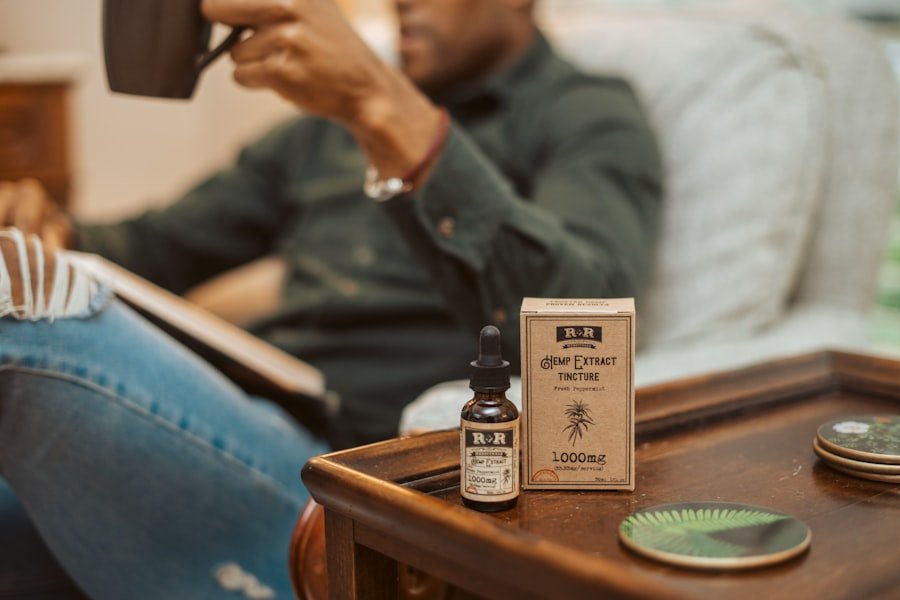
Aromatherapy is another holistic approach that may support individuals dealing with anxiety. The use of essential oils derived from plants can create calming environments and promote relaxation. Scents such as lavender, bergamot, and chamomile are often associated with soothing effects and may help reduce feelings of tension when diffused in the air or applied topically (with proper dilution).
Incorporating aromatherapy into daily life can be as simple as using an essential oil diffuser or adding a few drops of oil to a warm bath. While aromatherapy is not a standalone solution for anxiety management, it can complement other strategies effectively. Creating a sensory-rich environment at home with calming scents can enhance relaxation practices like meditation or deep breathing exercises.
As individuals explore different essential oils, they may discover which scents resonate most with them personally, allowing for a tailored approach to their well-being.
The Importance of Sleep for Managing Anxiety
Sleep plays a crucial role in emotional regulation and overall mental health. For many individuals experiencing anxiety, sleep disturbances are common; this creates a cycle where anxiety affects sleep quality, and poor sleep exacerbates anxiety symptoms. Prioritizing good sleep hygiene is essential for those looking to manage their anxiety effectively.
This includes establishing a consistent sleep schedule, creating a comfortable sleep environment, and limiting exposure to screens before bedtime. In addition to these practices, relaxation techniques such as gentle stretching or reading before bed can signal to the body that it’s time to wind down. By fostering healthy sleep habits, individuals may find that they wake up feeling more refreshed and better equipped to handle daily challenges.
Recognizing the interconnectedness between sleep and anxiety is vital; addressing sleep issues can lead to improvements in overall emotional well-being.
Dietary Changes for Anxiety Relief
Nutrition plays an often-overlooked role in mental health. Certain dietary choices may support individuals in managing anxiety symptoms more effectively. A balanced diet rich in whole foods—such as fruits, vegetables, whole grains, lean proteins, and healthy fats—can provide essential nutrients that contribute to brain health and emotional stability.
Omega-3 fatty acids found in fish and flaxseeds have been linked to improved mood regulation and may be beneficial for those experiencing anxiety. Conversely, excessive consumption of processed foods high in sugar and unhealthy fats may contribute to increased feelings of anxiety and stress. Being mindful of dietary choices can empower individuals to take control of their well-being.
Additionally, staying hydrated is crucial; dehydration can lead to fatigue and irritability, which may exacerbate anxiety symptoms. By making conscious dietary changes, individuals may find themselves feeling more balanced both physically and emotionally.
The Role of Social Support in Managing Anxiety
Social support is an invaluable resource for those navigating anxiety. Connecting with friends, family members, or support groups can provide comfort and understanding during challenging times. Sharing experiences with others who have faced similar struggles can foster a sense of belonging and reduce feelings of isolation.
It’s important to remember that reaching out for support is not a sign of weakness; rather, it demonstrates strength and resilience. Engaging in open conversations about mental health can also help destigmatize anxiety within communities. By fostering an environment where individuals feel safe discussing their feelings, we create opportunities for healing and connection.
Whether through informal gatherings or structured support groups, social interactions can play a significant role in managing anxiety effectively.
Creating a Relaxing Environment at Home
The environment we inhabit significantly impacts our mental well-being. Creating a relaxing space at home can serve as a sanctuary from daily stressors and promote feelings of calmness. Simple changes such as decluttering living spaces, incorporating soft lighting, or adding plants can enhance the overall atmosphere of tranquility.
Personal touches like artwork or photographs that evoke positive memories can also contribute to creating an inviting environment. In addition to physical changes, incorporating calming sounds—such as gentle music or nature sounds—can further enhance relaxation at home. Establishing designated areas for mindfulness practices or relaxation activities encourages individuals to prioritize self-care amidst busy schedules.
By intentionally crafting a peaceful home environment, individuals may find it easier to engage in practices that support their mental health.
Seeking Professional Help for Anxiety Management
While self-help strategies are valuable tools in managing anxiety, seeking professional help is equally important for those who feel overwhelmed by their symptoms. Mental health professionals can provide tailored guidance based on individual needs and circumstances. Telehealth services like Verda Health offer accessible options for Australians seeking support from the comfort of their homes.
The process begins with a simple 30-second pre-screening questionnaire that helps identify individual needs and concerns. Following this initial step, individuals have access to a Free Initial Nurse Consultation where they can discuss their experiences openly without judgment. This supportive environment allows for personalized care plans that may include various holistic approaches alongside conventional methods.
In conclusion, managing anxiety requires a multifaceted approach that considers both physical and emotional well-being. By exploring various strategies—from breathing techniques and herbal remedies to exercise and social support—individuals can find what resonates with them personally. Verda Health stands ready to assist those seeking guidance on their journey toward improved mental health through accessible telehealth services led by experienced professionals who understand the complexities of anxiety management.
If you’re looking for effective ways to manage anxiety, you might find it helpful to explore some natural remedies. A related article that provides valuable insights on this topic can be found at Verda Health FAQs, where you can discover various strategies and tips to alleviate anxiety symptoms.