
In Australia, the legal framework surrounding cannabis use, particularly for medicinal purposes, has evolved significantly over the past few years. The Therapeutic Goods Administration (TGA) regulates the use of medicinal cannabis, ensuring that patients have access to safe and effective treatments. The legal landscape varies from state to state, with some jurisdictions having more lenient regulations than others.
It is crucial for patients to familiarize themselves with the laws applicable in their region to ensure compliance and avoid any legal repercussions. The legal framework also encompasses the types of conditions for which medicinal cannabis can be prescribed.
However, it is essential to note that not all healthcare providers may be familiar with the intricacies of medicinal cannabis legislation. Therefore, understanding the legal context is vital for patients seeking alternative treatments and for ensuring that they are navigating the system correctly.
Key Takeaways
- Understanding the legal framework is crucial for obtaining and using medical cannabis.
- Finding a qualified medical practitioner is the first step in accessing medical cannabis.
- Discussing your medical history and symptoms openly with your practitioner is essential for proper treatment.
- Exploring different cannabis products and their effects can help in finding the right treatment for your condition.
- Obtaining a prescription and accessing cannabis from a licensed supplier is necessary for legal and safe use.
Finding a Qualified Medical Practitioner
Finding a qualified medical practitioner who is knowledgeable about medicinal cannabis is a critical step in the process. Not all doctors are equipped to prescribe cannabis-based treatments, so it is essential to seek out those who have experience in this area. Patients can start by consulting their general practitioner (GP) or searching for specialists who focus on alternative medicine and holistic healthcare.
Many practitioners are now becoming more open to discussing cannabis as a treatment option, especially as public awareness grows. When searching for a qualified medical practitioner, consider looking for those who are members of professional organizations that support the use of medicinal cannabis. These organizations often provide resources and directories to help patients find practitioners who are well-versed in this field.
Additionally, online forums and support groups can be valuable resources for recommendations and insights from others who have navigated the process successfully.
Discussing Your Medical History and Symptoms
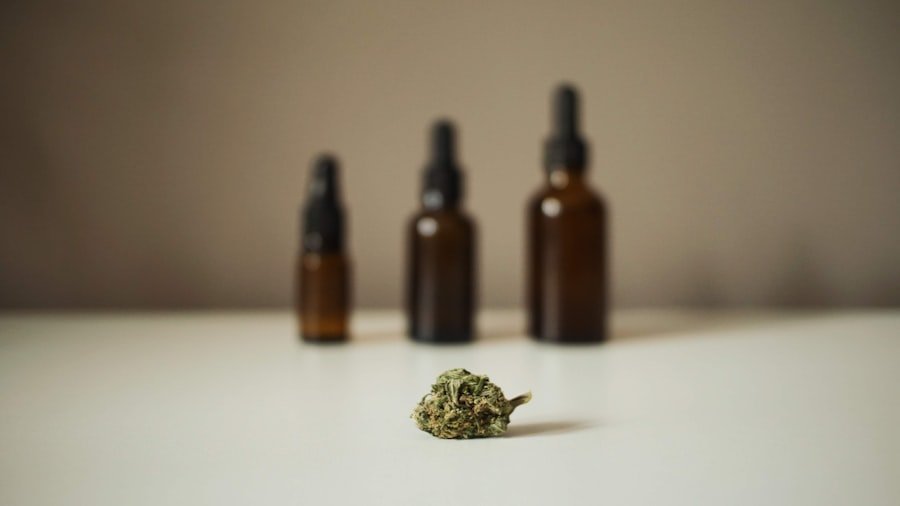
Once you have found a qualified medical practitioner, the next step is to have an open and honest discussion about your medical history and symptoms. This conversation is crucial for determining whether medicinal cannabis is a suitable option for you. Be prepared to discuss your current health conditions, any previous treatments you have tried, and how they have affected your quality of life.
It is also important to communicate any concerns or questions you may have about using cannabis as a treatment option. Your practitioner should be able to provide you with evidence-based information about the potential benefits and risks associated with medicinal cannabis.
This dialogue will not only help you feel more comfortable with the decision-making process but also foster a collaborative relationship between you and your healthcare provider.
Exploring Different Cannabis Products
| Product Type | THC Content | CBD Content | Consumption Method |
|---|---|---|---|
| Flower | Varies | Varies | Smoking, vaping |
| Edibles | Varies | Varies | Eating, drinking |
| Concentrates | High | Low | Dabbing, vaping |
| Topicals | Varies | Varies | Applying to skin |
Once you have received a prescription for medicinal cannabis, it is time to explore the various products available on the market. Cannabis comes in many forms, including oils, capsules, tinctures, and dried flower. Each product has its unique properties and methods of administration, which can affect how quickly and effectively it works for you.
Understanding these differences is essential for making informed choices about your treatment. For instance, oils and tinctures are often preferred for their ease of use and rapid onset of effects, while capsules may provide a more controlled dosage. Dried flower can be vaporized or smoked, offering immediate relief but requiring more knowledge about strain selection and dosing.
Your healthcare provider can guide you in selecting the most appropriate product based on your symptoms and preferences, ensuring that you receive the best possible care.
Obtaining a Prescription
Obtaining a prescription for medicinal cannabis involves several steps that require patience and diligence. After discussing your medical history and symptoms with your practitioner, they will assess whether you meet the criteria for a prescription. If approved, your doctor will submit an application to the TGA for authorization.
This process can take time, as the TGA reviews each application carefully to ensure that patients receive appropriate care. Once your application is approved, your practitioner will provide you with a prescription detailing the specific product and dosage recommended for your treatment. It is essential to keep this prescription safe and follow your healthcare provider’s instructions closely to ensure optimal results.
Remember that obtaining a prescription is just one part of the journey; understanding how to use the medication effectively is equally important.
Accessing Cannabis from a Licensed Supplier
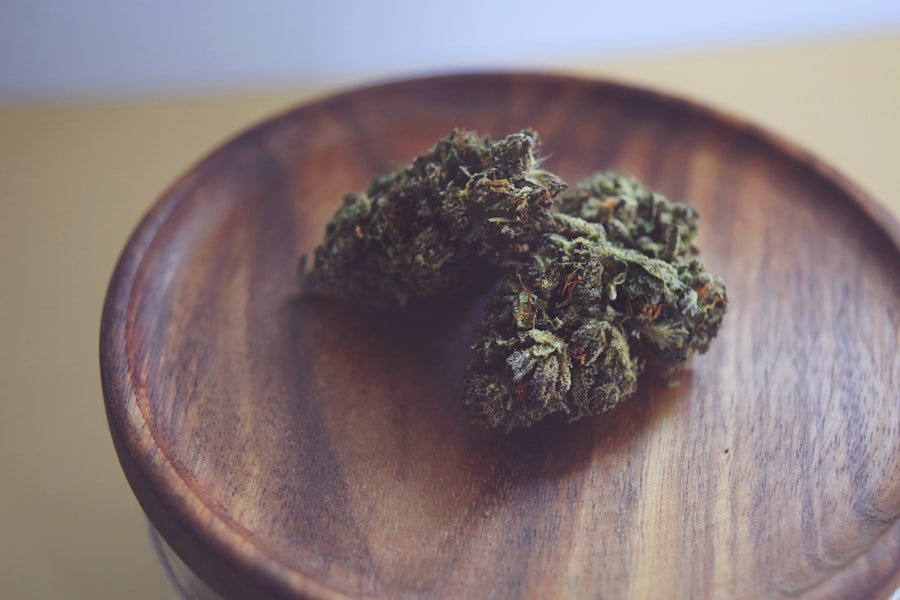
After receiving your prescription, the next step is to access cannabis from a licensed supplier. In Australia, only authorized suppliers can distribute medicinal cannabis products, ensuring that patients receive safe and regulated treatments. Your healthcare provider may recommend specific suppliers or pharmacies that specialize in medicinal cannabis products.
When choosing a supplier, it is essential to verify their licensing status and reputation within the community. Many suppliers offer online ordering options, making it convenient for patients to access their medications without having to visit a physical location. However, always ensure that you are purchasing from a reputable source to avoid counterfeit products or substandard quality.
Understanding Dosage and Administration
Understanding dosage and administration is crucial when using medicinal cannabis to manage health conditions effectively. Your healthcare provider will provide guidance on how much cannabis to take and how often to use it based on your individual needs. It is essential to start with a low dose and gradually increase it as needed while monitoring your body’s response.
Different methods of administration can also affect how quickly you feel the effects of cannabis. For example, inhalation methods may provide immediate relief, while edibles or capsules may take longer to kick in but offer longer-lasting effects. It is vital to follow your healthcare provider’s recommendations closely and keep track of how different dosages impact your symptoms over time.
Monitoring and Reporting Side Effects
As with any medication, monitoring and reporting side effects when using medicinal cannabis is essential for ensuring safety and effectiveness. While many patients experience positive outcomes from their treatment, some may encounter adverse effects such as dizziness, fatigue, or changes in appetite. Keeping a journal of your experiences can help you identify patterns and communicate effectively with your healthcare provider.
If you experience any concerning side effects or if your symptoms do not improve after starting treatment, it is crucial to reach out to your practitioner promptly. They may need to adjust your dosage or explore alternative products to better suit your needs. Open communication with your healthcare provider will help ensure that you receive the best possible care throughout your treatment journey.
Renewing Your Prescription
Medicinal cannabis prescriptions are typically valid for a limited period before requiring renewal. As you approach the expiration date of your prescription, it is essential to schedule an appointment with your healthcare provider to discuss your ongoing treatment plan. During this appointment, you can evaluate how well the current regimen has been working for you and make any necessary adjustments.
Renewing your prescription may involve another assessment of your medical history and symptoms to ensure that medicinal cannabis remains an appropriate treatment option for you. Your healthcare provider will guide you through this process, helping you navigate any changes in regulations or product availability that may affect your treatment moving forward.
Navigating the Legalities of Possession and Use
Navigating the legalities of possession and use of medicinal cannabis is an important aspect of ensuring compliance with Australian law. Patients must be aware of how much cannabis they are allowed to possess at any given time and where they can legally use it. Each state has its regulations regarding possession limits and public use, so it is crucial to familiarize yourself with these laws.
Additionally, patients should keep their prescriptions readily available in case they need to demonstrate their legal right to possess medicinal cannabis. Being informed about these legalities not only protects patients but also helps reduce stigma surrounding cannabis use in society.
Seeking Support and Resources
Finally, seeking support and resources can significantly enhance your experience with medicinal cannabis treatment. Many organizations offer educational materials, support groups, and online forums where patients can connect with others who share similar experiences. Engaging with these communities can provide valuable insights into managing symptoms effectively and navigating the complexities of medicinal cannabis use.
Furthermore, consider reaching out to organizations that advocate for patient rights regarding medicinal cannabis access in Australia. These groups often provide resources that can help patients stay informed about changes in legislation or new research findings related to cannabis treatments. By seeking support and staying connected with others on similar journeys, you can empower yourself in managing your health effectively.
In conclusion, navigating the world of medicinal cannabis in Australia requires careful consideration of various factors—from understanding legal frameworks to finding qualified practitioners and accessing products safely. By taking informed steps throughout this process, patients can explore alternative treatments that align with their health needs while ensuring compliance with regulations. If you’re considering medicinal cannabis as part of your healthcare journey, don’t hesitate to reach out to qualified professionals who can guide you through this transformative experience.
In recent years, the process of obtaining a cannabis prescription in Queensland has become more streamlined, allowing patients to access medical cannabis more efficiently. This development is part of a broader trend towards integrating alternative medicine into mainstream healthcare. For instance, the use of traditional Chinese medicine is gaining traction as a complementary approach to health and wellness. An insightful article on this topic can be found on Verda Health’s website, which discusses the potential of traditional Chinese medicine in modern healthcare. You can read more about it here.
FAQs
What is the process for obtaining a cannabis prescription in Queensland?
To obtain a cannabis prescription in Queensland, patients must first consult with a medical practitioner who is authorized to prescribe medicinal cannabis. The doctor will assess the patient’s condition and determine if medicinal cannabis is a suitable treatment option. If approved, the doctor will then apply for a special access scheme or authorized prescriber approval from the Therapeutic Goods Administration (TGA) on behalf of the patient.
What medical conditions qualify for a cannabis prescription in Queensland?
In Queensland, medicinal cannabis may be prescribed for a range of medical conditions, including but not limited to epilepsy, multiple sclerosis, chronic pain, and chemotherapy-induced nausea and vomiting. The decision to prescribe medicinal cannabis is made on a case-by-case basis, taking into consideration the patient’s individual circumstances and medical history.
Are there any specific requirements for patients seeking a cannabis prescription in Queensland?
Patients seeking a cannabis prescription in Queensland must have a valid clinical need for medicinal cannabis as determined by a medical practitioner. They must also be willing to comply with the treatment plan outlined by their doctor and adhere to any regulatory requirements set out by the TGA and Queensland Health.
What are the regulations surrounding medicinal cannabis prescriptions in Queensland?
In Queensland, medicinal cannabis is regulated by the TGA and Queensland Health. Doctors must adhere to specific guidelines and regulations when prescribing medicinal cannabis, and patients must obtain their medicinal cannabis products from authorized suppliers. Additionally, patients and doctors are required to report on the outcomes and any adverse effects of medicinal cannabis treatment.
Can patients access medicinal cannabis through the Pharmaceutical Benefits Scheme (PBS) in Queensland?
Currently, medicinal cannabis products are not listed on the PBS in Queensland, meaning that patients are required to pay for their medicinal cannabis products out-of-pocket. However, there are ongoing discussions and developments regarding the potential inclusion of medicinal cannabis on the PBS in the future.