Anxiety is a common emotional response that many Australians experience at various points in their lives. It can manifest as feelings of unease, worry, or fear, often accompanied by physical symptoms such as increased heart rate, sweating, or restlessness. For some, anxiety can become a persistent presence, affecting daily activities, relationships, and overall quality of life.
Understanding anxiety is the first step toward managing it effectively. It’s essential to recognize that anxiety is not merely a personal failing or a sign of weakness; it is a complex interplay of biological, psychological, and environmental factors. The impact of anxiety can be profound.
Many individuals find themselves caught in a cycle of worry that can lead to further stress and even physical health issues. This is particularly concerning for Australians aged 30-65, who may be juggling work responsibilities, family obligations, and other life stressors.
Recognizing the signs of anxiety and understanding its effects can empower individuals to seek support and explore alternative approaches to well-being.
Key Takeaways
- Anxiety affects both mind and body, but understanding it is the first step to managing it effectively.
- Natural remedies like deep breathing, meditation, and herbal supplements can significantly reduce anxiety symptoms.
- Regular exercise and a balanced diet play crucial roles in lowering anxiety levels and improving overall well-being.
- Mindfulness practices, yoga, and aromatherapy help cultivate relaxation and inner peace.
- Creating a supportive environment and knowing when to seek professional help are essential for long-term anxiety management.
The Power of Natural Remedies: How They Can Help Alleviate Anxiety
In recent years, there has been a growing interest in natural remedies as a means to alleviate anxiety. Many people feel underserved by conventional medicine and are seeking holistic approaches that align with their values and lifestyle. Natural remedies can offer a complementary path to managing anxiety, focusing on the whole person rather than just symptoms.
These approaches may include lifestyle changes, dietary adjustments, and the use of herbal supplements, all of which can support emotional well-being. Natural remedies often appeal to those who prefer to take a proactive role in their health care. They may provide a sense of empowerment and control over one’s mental state.
While it’s important to approach these remedies with an open mind, it’s equally crucial to rely on evidence-informed practices. By integrating natural remedies into a broader wellness strategy, individuals may find that they can better manage their anxiety and improve their overall quality of life. Learn more about our process by visiting How it Works.
Deep Breathing and Meditation: Techniques to Calm Your Mind
Deep breathing and meditation are two powerful techniques that can help calm the mind and reduce feelings of anxiety. These practices encourage mindfulness and promote relaxation by focusing attention on the present moment. Deep breathing exercises can be particularly effective in moments of acute stress, as they help to slow the heart rate and lower blood pressure.
By taking slow, deliberate breaths, individuals can activate the body’s relaxation response, creating a sense of calm amidst chaos. Meditation, on the other hand, offers a more sustained approach to managing anxiety. Regular practice can help train the mind to respond differently to stressors, fostering resilience over time.
There are various forms of meditation, including guided imagery, mindfulness meditation, and loving-kindness meditation, each offering unique benefits. Incorporating these techniques into daily routines can create a sanctuary of peace that individuals can return to whenever they feel overwhelmed.
The Importance of Exercise: How Physical Activity Can Reduce Anxiety
Physical activity is another vital component in managing anxiety. Engaging in regular exercise has been shown to have numerous benefits for mental health, including the release of endorphins—often referred to as “feel-good” hormones.
Whether it’s a brisk walk in the park or a more vigorous workout at the gym, finding an enjoyable form of exercise can make a significant difference in one’s mood. Moreover, exercise promotes better sleep quality, which is often disrupted by anxiety. A well-rested mind is better equipped to handle stressors and navigate daily challenges.
For Australians aged 30-65 who may be balancing work and family commitments, incorporating physical activity into their routine can be an effective way to prioritize self-care while also enhancing overall well-being.
Herbal Remedies: Exploring the Benefits of Natural Supplements
| Remedy | Type | Effectiveness | Duration to See Results | Notes |
|---|---|---|---|---|
| Cognitive Behavioral Therapy (CBT) | Therapy | High | 4-12 weeks | Structured, goal-oriented therapy focusing on changing thought patterns |
| Mindfulness Meditation | Mind-Body Practice | Moderate to High | 2-8 weeks | Helps increase awareness and reduce stress response |
| Regular Exercise | Lifestyle | Moderate | 3-6 weeks | Improves mood and reduces anxiety symptoms through endorphin release |
| Deep Breathing Exercises | Relaxation Technique | Moderate | Immediate to days | Can be used anytime to reduce acute anxiety symptoms |
| Herbal Supplements (e.g., Chamomile, Lavender) | Natural Remedy | Low to Moderate | 1-4 weeks | Consult a healthcare provider before use; effects vary |
| Medication (SSRIs, Benzodiazepines) | Pharmacological | High | 2-6 weeks | Requires prescription and medical supervision |
| Progressive Muscle Relaxation | Relaxation Technique | Moderate | 1-3 weeks | Helps reduce physical tension associated with anxiety |
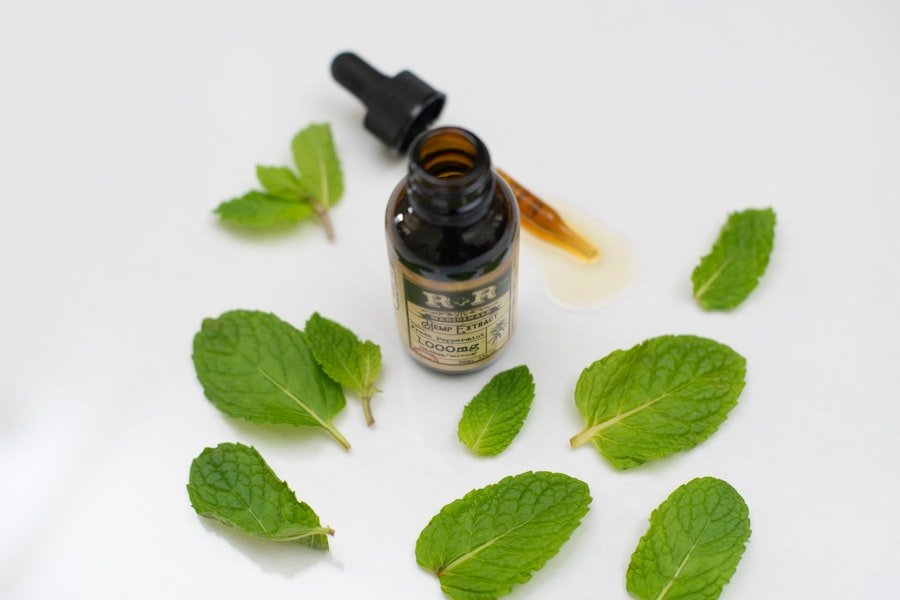
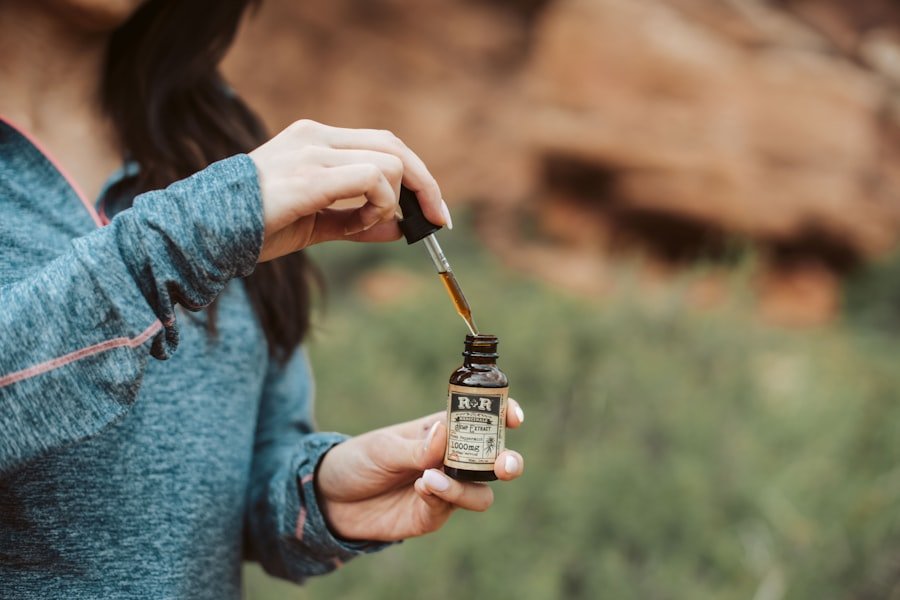
Herbal remedies have been used for centuries across various cultures as a means to support mental health and alleviate anxiety. Many individuals are turning to these natural supplements as they seek alternatives to conventional treatments. While research is ongoing, some herbs have shown promise in promoting relaxation and reducing feelings of anxiety.
For instance, herbs like chamomile and valerian root are often cited for their calming properties. It’s essential to approach herbal remedies with caution and consult with healthcare professionals before incorporating them into your routine. Not all herbal supplements are created equal, and their effects can vary from person to person.
By working with knowledgeable practitioners who understand the nuances of herbal medicine, individuals can explore options that may complement their overall wellness journey.
Aromatherapy: Using Essential Oils to Promote Relaxation and Calm
Aromatherapy is another holistic approach that many Australians are discovering as a way to promote relaxation and calmness. Essential oils derived from plants have been used for centuries for their therapeutic properties. Scents like lavender, bergamot, and chamomile are often associated with relaxation and stress relief.
Incorporating aromatherapy into daily routines—whether through diffusers, bath products, or topical applications—can create an inviting atmosphere that encourages tranquility. The olfactory system is closely linked to our emotions; therefore, the right scents can evoke feelings of calmness and comfort. For those who may feel overwhelmed by daily stressors or anxious thoughts, taking a moment to engage with soothing aromas can serve as a gentle reminder to pause and breathe deeply.
This simple practice can be an effective tool in managing anxiety in everyday life.
The Role of Diet: How Nutrition Can Impact Anxiety Levels
Nutrition plays a crucial role in mental health, including anxiety management. The foods we consume can significantly impact our mood and overall well-being. A balanced diet rich in whole foods—such as fruits, vegetables, whole grains, lean proteins, and healthy fats—can provide the nutrients necessary for optimal brain function.
Certain nutrients like omega-3 fatty acids, magnesium, and B vitamins have been linked to improved mood regulation. Conversely, diets high in processed foods and sugars may contribute to increased feelings of anxiety and stress. For Australians seeking to manage their anxiety through dietary changes, focusing on nutrient-dense foods can be a beneficial strategy.
Additionally, staying hydrated is essential for maintaining energy levels and cognitive function. By making mindful choices about what we eat, we can support our mental health in meaningful ways.
Mindfulness and Yoga: Practices to Cultivate Inner Peace and Tranquility
Mindfulness and yoga are practices that encourage individuals to cultivate inner peace and tranquility amidst life’s challenges. Mindfulness involves being fully present in the moment without judgment, allowing individuals to observe their thoughts and feelings without becoming overwhelmed by them. This practice can be particularly beneficial for those struggling with anxiety, as it fosters self-awareness and emotional regulation.
Yoga combines physical movement with mindfulness principles, creating a holistic approach to well-being. The combination of breathwork, stretching, and meditation in yoga can help release tension stored in the body while promoting relaxation. Many Australians find that incorporating yoga into their routines not only enhances physical fitness but also provides mental clarity and emotional balance.
Creating a Supportive Environment: Surrounding Yourself with Positive Influences
The environment we inhabit plays a significant role in our mental health. Surrounding ourselves with positive influences—whether through supportive relationships or uplifting spaces—can greatly impact our ability to manage anxiety. Building a network of friends or family members who understand our struggles can provide comfort during challenging times.
Engaging in open conversations about mental health can help reduce stigma and foster connection. Additionally, creating a calming physical environment at home can contribute to overall well-being. Simple changes like decluttering spaces or incorporating elements of nature—such as plants or natural light—can create an atmosphere conducive to relaxation.
By intentionally curating our surroundings, we can cultivate an environment that supports our mental health journey.
Finding Balance: The Importance of Self-Care and Setting Boundaries
In today’s fast-paced world, finding balance is essential for maintaining mental health. Self-care practices are vital for nurturing our emotional well-being; however, they often take a backseat amidst busy schedules and responsibilities. Prioritizing self-care means recognizing our needs and setting boundaries that protect our time and energy.
Setting boundaries with work commitments or social obligations allows us to carve out time for activities that bring us joy and relaxation. Whether it’s reading a book, enjoying a hobby, or simply taking time for reflection, these moments are crucial for recharging our mental batteries. By embracing self-care as an integral part of our lives, we empower ourselves to manage anxiety more effectively.
Seeking Professional Help: When to Consider Therapy or Counseling for Anxiety
While many holistic approaches can support mental well-being, there are times when seeking professional help becomes necessary. Therapy or counseling can provide individuals with valuable tools for managing anxiety more effectively. Trained professionals offer guidance tailored to individual needs and circumstances, helping clients navigate their emotions in constructive ways.
Recognizing when it’s time to seek help is an important step toward healing. If feelings of anxiety become overwhelming or interfere with daily functioning, reaching out for support is crucial. Telehealth services like Verda Health offer accessible options for those seeking professional guidance from the comfort of home.
With doctor-led consultations available through telehealth platforms, individuals can explore their options without the barriers often associated with traditional healthcare settings. In conclusion, managing anxiety requires a multifaceted approach that considers both holistic practices and professional support when needed. By understanding anxiety’s complexities and exploring various strategies—from natural remedies to mindfulness techniques—Australians aged 30-65 can take proactive steps toward enhancing their well-being.
Verda Health stands ready to support individuals on this journey by providing accessible telehealth solutions tailored to their unique needs.
If you’re looking for effective ways to manage anxiety, you might find it helpful to explore the insights shared in the article on personalized medicine. This approach tailors treatment to individual needs, which can be particularly beneficial for those struggling with anxiety. You can read more about it in the article here.