
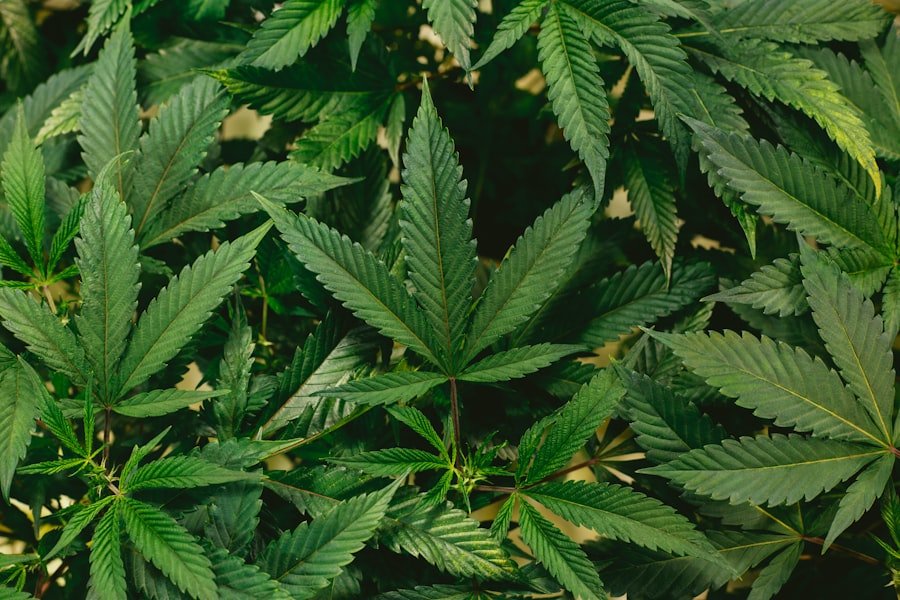
Medicinal cannabis has gained significant attention in recent years, particularly as more Australians seek alternative therapies for various health conditions. This plant-based treatment is derived from the Cannabis sativa plant and contains compounds known as cannabinoids, which interact with the body’s endocannabinoid system. This system plays a crucial role in regulating various physiological processes, including pain, mood, and sleep.
As a result, medicinal cannabis has emerged as a potential option for individuals dealing with chronic pain, anxiety, and other health issues. The therapeutic properties of medicinal cannabis are attributed primarily to two key cannabinoids: tetrahydrocannabinol (THC) and cannabidiol (CBD). THC is known for its psychoactive effects, which can provide pain relief and relaxation, while CBD is non-psychoactive and is often praised for its anti-inflammatory and anxiolytic properties.
Understanding these compounds and their effects is essential for anyone considering medicinal cannabis as a treatment option. It is important to note that the efficacy of medicinal cannabis can vary from person to person, making it crucial to approach this treatment with an open mind and a willingness to explore different options.
Key Takeaways
- Medicinal cannabis is a natural remedy derived from the cannabis plant that has been used for various medical conditions.
- In Perth, medicinal cannabis is legal for certain medical conditions and can be accessed with a prescription from a qualified medical professional.
- When seeking a qualified medical professional for medicinal cannabis, it is important to find someone with experience and knowledge in prescribing cannabis-based treatments.
- Different strains of cannabis have varying levels of cannabinoids, which can affect pain management and other medical conditions differently.
- There are various methods of consuming medicinal cannabis, including smoking, vaporizing, oils, tinctures, and edibles, each with its own benefits and considerations.
The Legalities of Medicinal Cannabis in Perth
In Australia, the legal landscape surrounding medicinal cannabis has evolved significantly over the past few years. In 2016, the Australian government legalized the use of medicinal cannabis under strict regulations, allowing patients with specific medical conditions to access this treatment. In Perth, as in the rest of Western Australia, patients must obtain a prescription from a qualified medical professional to access medicinal cannabis legally.
This framework ensures that patients receive appropriate guidance and support throughout their treatment journey. It is essential for potential users to understand that while medicinal cannabis is legal, it is still subject to strict regulations. Patients must meet specific eligibility criteria, which typically include having a diagnosed medical condition that has not responded well to conventional treatments.
Additionally, the prescribing doctor must be authorized to prescribe medicinal cannabis, which may require additional training or certification. By navigating these legalities carefully, patients can ensure they are accessing medicinal cannabis safely and responsibly.
Finding a Qualified Medical Professional
Finding a qualified medical professional who understands the complexities of medicinal cannabis is a critical step in the treatment process. Not all healthcare providers are familiar with this alternative therapy, so it is essential to seek out practitioners who have experience in prescribing medicinal cannabis. This may include general practitioners (GPs), specialists, or integrative medicine practitioners who have undergone additional training in this area.
When searching for a qualified medical professional, consider asking for recommendations from friends or family members who have had positive experiences with medicinal cannabis. Additionally, online resources and support groups can provide valuable insights into practitioners who are knowledgeable about this treatment option. Once you find a suitable healthcare provider, be prepared to discuss your medical history, current symptoms, and any previous treatments you have tried.
This open dialogue will help your doctor tailor a treatment plan that best meets your needs.
Choosing the Right Strain for Pain Management
| Strain Name | THC Content | CBD Content | Indica/Sativa Ratio | Effects |
|---|---|---|---|---|
| Blue Dream | 17-24% | 0.1-0.2% | 80/20 | Relaxing, Euphoric, Uplifting |
| OG Kush | 19-26% | 0.2-0.5% | 75/25 | Relaxing, Happy, Euphoric |
| Harlequin | 5-10% | 10-15% | 25/75 | Relaxing, Focused, Uplifting |
Selecting the right strain of medicinal cannabis is crucial for effective pain management. Different strains contain varying levels of THC and CBD, which can influence their therapeutic effects. Indica strains are often recommended for pain relief due to their relaxing properties, while sativa strains may be more suitable for daytime use as they can provide uplifting effects.
Hybrid strains combine elements of both indica and sativa, offering a balanced approach to symptom management. It is essential to work closely with your healthcare provider when choosing a strain. They can help you understand the specific characteristics of different strains and guide you toward options that align with your individual needs and preferences.
Additionally, many dispensaries offer consultations with knowledgeable staff who can provide insights into the various strains available and their potential benefits for pain management.
Methods of Consumption
There are several methods of consuming medicinal cannabis, each with its own advantages and disadvantages. The most common methods include smoking or vaping flower, using oils or tinctures, consuming edibles, and applying topical creams. Smoking or vaping allows for quick onset of effects, making it an attractive option for those seeking immediate relief from pain or anxiety.
However, these methods may not be suitable for everyone due to respiratory concerns. Oils and tinctures offer a more discreet way to consume medicinal cannabis and can be easily dosed for precise control over intake. Edibles provide longer-lasting effects but may take longer to kick in, which can be a consideration for those needing immediate relief.
Topical applications are ideal for localized pain management without the psychoactive effects associated with other consumption methods. Ultimately, the choice of consumption method should align with your lifestyle and preferences while considering the specific symptoms you wish to address.
Managing Dosage and Frequency

Managing dosage and frequency is a critical aspect of using medicinal cannabis effectively. Since individual responses to cannabinoids can vary widely, it is essential to start with a low dose and gradually increase it until you find the optimal level for your needs. Your healthcare provider can help you establish an initial dosage based on your medical history and treatment goals.
Monitoring your response to medicinal cannabis is equally important. Keep track of how you feel after each dose, noting any changes in pain levels or other symptoms. This information will be invaluable when discussing your treatment plan with your healthcare provider.
They may recommend adjustments based on your feedback to ensure you achieve the best possible outcomes while minimizing any potential side effects.
Potential Side Effects and Risks
While many individuals find relief through medicinal cannabis, it is essential to be aware of potential side effects and risks associated with its use. Common side effects may include dizziness, dry mouth, fatigue, and changes in appetite. These effects can vary depending on the strain used and the method of consumption.
For some individuals, particularly those new to cannabis, these side effects may be more pronounced initially but often diminish with continued use. It is also important to consider any potential interactions between medicinal cannabis and other medications you may be taking. Always inform your healthcare provider about all medications and supplements you are using to ensure safe and effective treatment.
By being proactive about understanding potential side effects and risks, you can make informed decisions about your health and well-being.
Combining Medicinal Cannabis with Other Pain Management Techniques
Many individuals find that combining medicinal cannabis with other pain management techniques enhances their overall effectiveness. This holistic approach may include physical therapy, mindfulness practices such as meditation or yoga, acupuncture, or dietary changes aimed at reducing inflammation. By integrating multiple strategies into your treatment plan, you can address pain from various angles and improve your overall quality of life.
Collaboration with your healthcare provider is key when exploring complementary therapies alongside medicinal cannabis. They can help you identify which techniques may work best for your specific situation and guide you in creating a comprehensive pain management plan tailored to your needs.
Accessing Medicinal Cannabis in Perth
Accessing medicinal cannabis in Perth involves navigating a few key steps to ensure compliance with legal regulations while obtaining the treatment you need. Once you have secured a prescription from a qualified medical professional, you will need to find a licensed dispensary where you can purchase your medication legally. Many dispensaries offer a range of products tailored to different needs, including oils, capsules, and flower.
It’s important to research local dispensaries before making a purchase. Look for establishments that prioritize patient education and provide knowledgeable staff who can assist you in selecting the right products for your needs. Additionally, many dispensaries offer online ordering options for added convenience.
Monitoring and Adjusting Treatment Plans
Monitoring your progress while using medicinal cannabis is essential for achieving optimal results. Regular check-ins with your healthcare provider will allow you to discuss any changes in symptoms or side effects you may experience. This ongoing communication will enable them to make necessary adjustments to your treatment plan based on your feedback.
As you continue using medicinal cannabis, be open to experimenting with different strains or consumption methods if needed. Your body’s response may change over time, necessitating adjustments in dosage or frequency as well. By staying engaged in your treatment journey and maintaining an open dialogue with your healthcare provider, you can ensure that your approach remains effective and aligned with your evolving needs.
Seeking Support and Resources for Medicinal Cannabis Users
Navigating the world of medicinal cannabis can feel overwhelming at times; however, numerous resources are available to support users throughout their journey. Online forums and support groups provide valuable opportunities for individuals to share experiences, ask questions, and learn from one another’s journeys with medicinal cannabis. Additionally, educational resources such as workshops or seminars hosted by healthcare professionals can help deepen your understanding of medicinal cannabis and its applications in pain management.
By seeking out these resources and connecting with others who share similar experiences, you can empower yourself on your path toward improved health and well-being through alternative medicine. In conclusion, medicinal cannabis presents an exciting opportunity for individuals seeking alternative approaches to managing pain and other health concerns in Perth. By understanding its benefits, navigating legalities, finding qualified professionals, choosing appropriate strains, managing dosages effectively, being aware of potential side effects, combining therapies thoughtfully, accessing products responsibly, monitoring progress diligently, and seeking support from available resources—individuals can embark on a transformative journey toward holistic health.
If you’re interested in exploring how Verda Health can assist you on this journey toward natural healing through telehealth-based solutions tailored specifically for your needs—don’t hesitate! Visit our website today to learn more about our services or schedule an appointment with one of our experienced practitioners who are dedicated to supporting you every step of the way!
In recent years, the use of medicinal cannabis for pain management has gained significant attention, particularly in places like Perth where patients are seeking alternative treatments. Medicinal cannabis is being explored for its potential to alleviate chronic pain, offering a promising option for those who have not found relief through traditional medications. For those interested in learning more about the applications and benefits of medicinal cannabis, Verda Health provides a comprehensive resource. You can find detailed information and answers to common questions by visiting their FAQs page. This resource is invaluable for anyone considering medicinal cannabis as a treatment option, as it covers a wide range of topics related to its use and efficacy.