
Anxiety affects a significant portion of the Australian population, with manifestations ranging from mild discomfort to severe panic responses. These reactions typically occur in response to environmental stressors and can vary in duration and intensity between individuals. Anxiety disorders result from complex interactions between genetic predisposition, neurobiological factors, psychological patterns, and environmental influences.
Current epidemiological data indicates increasing rates of diagnosed anxiety disorders across Australia. Standard medical treatment protocols primarily target symptom reduction through pharmacological interventions and cognitive behavioral therapy. However, treatment outcomes vary, and some patients report inadequate symptom resolution with conventional approaches alone.
Comprehensive treatment models that incorporate multiple therapeutic modalities may provide additional benefits for anxiety management. These approaches examine contributing factors across biological, psychological, and social domains to develop individualized treatment strategies. Research suggests that addressing underlying causes alongside symptom management may improve long-term outcomes for individuals with anxiety disorders.
Learn more about our process by visiting How it Works.
Key Takeaways
- Anxiety affects both the body and mind, causing physical and emotional symptoms.
- Natural remedies like breathing techniques, meditation, and aromatherapy can help reduce anxiety.
- Regular exercise and a healthy diet play crucial roles in managing anxiety levels.
- Mindfulness practices and spending time in nature promote calm and anxiety relief.
- Professional help is important for managing severe anxiety effectively.
The Impact of Anxiety on the Body and Mind
Anxiety does not only affect our mental state; it can also have profound effects on our physical health. When we experience anxiety, our bodies enter a state of heightened alertness, triggering the “fight or flight” response. This physiological reaction can lead to various symptoms, including increased heart rate, muscle tension, and digestive issues.
Over time, chronic anxiety can contribute to more serious health problems such as cardiovascular disease, gastrointestinal disorders, and weakened immune function. Moreover, the mental toll of anxiety can be equally significant. Individuals may find themselves trapped in a cycle of worry and fear, leading to difficulties in concentration, sleep disturbances, and social withdrawal.
This can create a vicious cycle where anxiety exacerbates physical symptoms, which in turn fuels further anxiety. Recognizing the interconnectedness of the body and mind is crucial for developing effective strategies to manage anxiety and improve overall well-being.
Natural Remedies for Anxiety
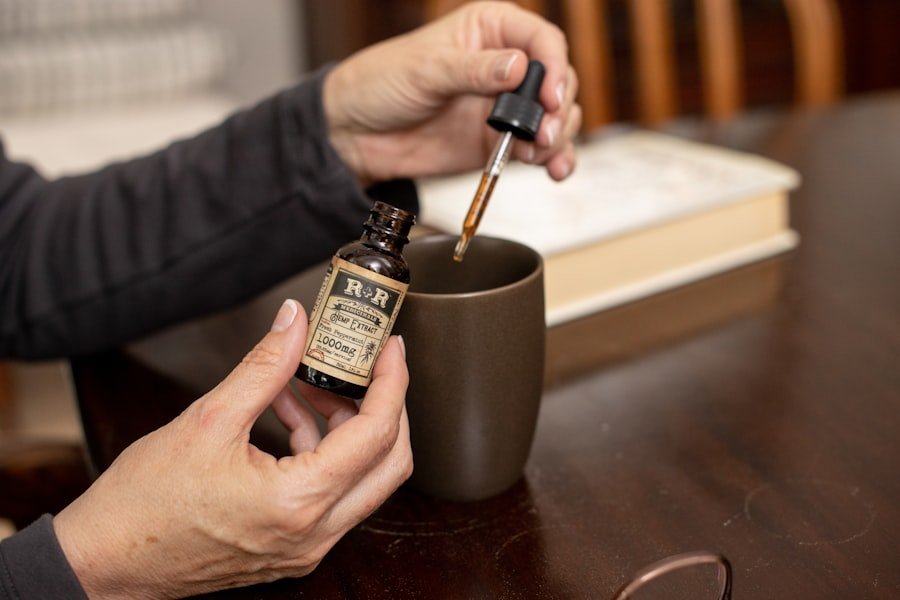
For those seeking alternatives to conventional treatments, natural remedies for anxiety may offer a promising avenue for relief. These remedies often focus on lifestyle changes and holistic practices that can support emotional well-being. While they may not replace professional medical advice or treatment, they can complement existing strategies and provide individuals with additional tools to manage their anxiety.
Some popular natural remedies include herbal supplements, such as chamomile and valerian root, which have been traditionally used for their calming properties. Additionally, practices like yoga and tai chi can promote relaxation and mindfulness, helping individuals connect with their bodies and reduce stress levels. It is essential to approach these remedies with an open mind while also consulting with healthcare professionals to ensure they align with individual health needs.
The Power of Breathing Techniques
Breathing techniques are a simple yet powerful tool for managing anxiety. When we experience anxiety, our breathing often becomes shallow and rapid, which can exacerbate feelings of panic. By consciously focusing on our breath, we can activate the body’s relaxation response and promote a sense of calm.
Techniques such as diaphragmatic breathing or the 4-7-8 method encourage deeper breaths that can help regulate heart rate and reduce tension. Incorporating breathing exercises into daily routines can be beneficial for individuals experiencing anxiety. These techniques can be practiced anywhere—whether at home, at work, or even during moments of stress in public spaces.
By taking just a few minutes each day to focus on breathwork, individuals may find that they are better equipped to handle anxiety-provoking situations with greater ease.
The Benefits of Meditation for Anxiety Relief
| Method | Effectiveness (%) | Average Time to Relief | Common Side Effects | Notes |
|---|---|---|---|---|
| Cognitive Behavioral Therapy (CBT) | 60-80 | 4-12 weeks | Minimal | Long-term benefits, requires commitment |
| Medication (SSRIs) | 50-70 | 2-6 weeks | Nausea, headache, insomnia | Requires prescription, possible withdrawal symptoms |
| Mindfulness Meditation | 40-60 | 2-8 weeks | Rare | Improves overall well-being |
| Exercise | 30-50 | Immediate to 4 weeks | Muscle soreness | Boosts mood and reduces stress hormones |
| Deep Breathing Techniques | 20-40 | Immediate | Rare | Useful for acute anxiety episodes |
| Herbal Supplements (e.g., Valerian, Chamomile) | 15-30 | 1-4 weeks | Drowsiness, allergic reactions | Consult healthcare provider before use |
Meditation has gained popularity as an effective practice for managing anxiety and promoting mental clarity. This ancient technique encourages individuals to cultivate mindfulness by focusing their attention on the present moment. Research suggests that regular meditation practice may help reduce symptoms of anxiety by fostering a greater sense of self-awareness and emotional regulation.
There are various forms of meditation, including guided meditation, mindfulness meditation, and loving-kindness meditation. Each offers unique benefits and can be tailored to individual preferences. For those new to meditation, starting with just a few minutes each day can be a gentle introduction to the practice.
Over time, individuals may find that meditation not only helps alleviate anxiety but also enhances overall well-being by promoting a sense of peace and acceptance.
The Role of Exercise in Managing Anxiety
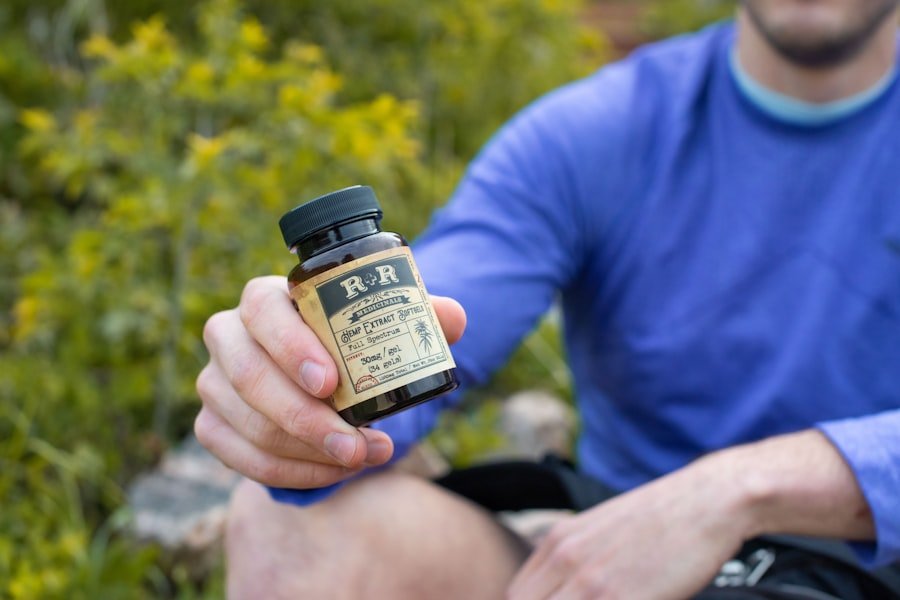
Physical activity is another powerful ally in the fight against anxiety. Engaging in regular exercise has been shown to release endorphins—natural chemicals in the brain that promote feelings of happiness and relaxation. Whether it’s going for a brisk walk, participating in a fitness class, or practicing yoga, finding an enjoyable form of exercise can significantly impact mental health.
Exercise also provides an opportunity for individuals to connect with their bodies and release pent-up energy associated with anxiety. The rhythmic nature of physical activity can serve as a form of moving meditation, allowing individuals to focus on their movements rather than their worries. Incorporating exercise into daily routines not only supports physical health but also fosters resilience against anxiety.
The Importance of a Healthy Diet for Anxiety Relief
Nutrition plays a vital role in mental health, and what we eat can significantly influence our mood and anxiety levels. A balanced diet rich in whole foods—such as fruits, vegetables, whole grains, lean proteins, and healthy fats—can provide the nutrients necessary for optimal brain function. Certain foods are believed to have mood-boosting properties; for example, omega-3 fatty acids found in fish may support brain health and reduce symptoms of anxiety.
Conversely, diets high in processed foods, sugar, and caffeine may contribute to increased feelings of anxiety and stress. Being mindful of dietary choices can empower individuals to take charge of their mental well-being. Simple changes—such as incorporating more nutrient-dense foods into meals or reducing caffeine intake—can have a positive impact on overall mood and resilience against anxiety.
The Healing Properties of Aromatherapy
Aromatherapy is an ancient practice that utilizes essential oils derived from plants to promote physical and emotional well-being. Certain scents are believed to have calming effects on the mind and body, making aromatherapy a popular choice for those seeking relief from anxiety. Lavender oil, for example, is often associated with relaxation and may help create a soothing environment.
Incorporating aromatherapy into daily routines can be as simple as using essential oil diffusers or adding a few drops of oil to bathwater. The act of inhaling calming scents can trigger positive emotional responses and create a sense of tranquility. While aromatherapy should not replace professional treatment for severe anxiety, it can serve as a complementary practice that enhances overall well-being.
Finding Calm Through Mindfulness Practices
Mindfulness practices encourage individuals to cultivate awareness of their thoughts and feelings without judgment. By focusing on the present moment, individuals can create space between themselves and their anxious thoughts. Mindfulness techniques—such as mindful walking or eating—can help ground individuals in their experiences and reduce feelings of overwhelm.
Incorporating mindfulness into daily life does not require extensive training or time commitment; even short moments of mindfulness throughout the day can be beneficial. For example, taking a few deep breaths before responding to stressors or engaging fully in everyday activities can foster a greater sense of calm. By embracing mindfulness practices, individuals may find themselves better equipped to navigate life’s challenges with greater ease.
The Impact of Nature on Anxiety Relief
Spending time in nature has been shown to have profound effects on mental health and well-being. Research suggests that exposure to natural environments can reduce symptoms of anxiety and promote feelings of relaxation. Whether it’s taking a walk in the park or simply sitting outside in the sun, connecting with nature allows individuals to step away from the stresses of daily life.
Engaging with natural surroundings can also encourage physical activity, further enhancing its positive effects on mental health. For those feeling overwhelmed by anxiety, seeking solace in nature may offer a refreshing perspective and renewed sense of calm.
Seeking Professional Help for Severe Anxiety
While many individuals may find relief through holistic practices and lifestyle changes, it is essential to recognize when professional help is needed. Severe anxiety can significantly impact daily functioning and quality of life; therefore, seeking support from qualified healthcare professionals is crucial.
At Verda Health, individuals can engage in a simple four-step process that begins with a 30-second pre-screening questionnaire followed by a free initial nurse consultation. This approach allows individuals to explore their concerns without hesitation while receiving guidance from experienced professionals who understand the complexities of mental health issues. By prioritizing holistic care that considers both physical and emotional well-being, Verda Health aims to empower individuals on their journey toward improved mental health.
In conclusion, managing anxiety requires a multifaceted approach that encompasses both lifestyle changes and professional support when necessary. By exploring natural remedies, incorporating mindfulness practices, engaging with nature, and seeking professional help when needed, individuals can take proactive steps toward enhancing their well-being. Remember that you are not alone in your journey; there are resources available to support you every step of the way.
For those seeking relief from anxiety, exploring alternative therapies can be beneficial. One such approach is discussed in the article on meridian healing, which highlights how this ancient practice can help balance energy and promote emotional well-being. You can read more about it in the article Unlocking the Power of Meridian Healing.