
A deviated septum occurs when the thin wall between your nasal passages, known as the septum, is displaced to one side. This condition can lead to various complications, including difficulty breathing, chronic sinus infections, and, notably, sleep disturbances. Many individuals may not realize that a deviated septum can significantly impact their quality of sleep, often leading to conditions such as sleep apnea.
Sleep apnea is a serious sleep disorder characterized by repeated interruptions in breathing during sleep, which can result in fragmented sleep and reduced oxygen levels in the body. In Australia, awareness of these conditions is growing, as more people seek to understand how their nasal structure can affect their overall health. A deviated septum can exacerbate the symptoms of sleep apnea, making it crucial for individuals experiencing sleep issues to consider both conditions in their quest for better health.
Understanding the relationship between a deviated septum and sleep apnea is essential for those looking to improve their sleep quality and overall well-being.
Key Takeaways
- Deviated septum and sleep apnea can both contribute to poor sleep quality and overall health issues.
- Symptoms of deviated septum and sleep apnea include snoring, difficulty breathing, and daytime fatigue.
- Treatment options for deviated septum may include medications, nasal sprays, or surgery.
- Treatment options for sleep apnea may include CPAP therapy, oral appliances, or surgery.
- Lifestyle changes, such as sleeping on your side and avoiding alcohol before bed, can help improve sleep with deviated septum and sleep apnea.
Symptoms and Effects of Deviated Septum and Sleep Apnea on Sleep
Individuals with a deviated septum often experience a range of symptoms that can disrupt their sleep. Common complaints include nasal congestion, difficulty breathing through the nose, and frequent sinus infections. These symptoms can lead to poor sleep quality, as individuals may struggle to breathe comfortably while lying down.
The inability to breathe freely can result in tossing and turning throughout the night, leading to fatigue and irritability during the day. Sleep apnea adds another layer of complexity to these issues. Those suffering from this disorder may experience loud snoring, gasping for air during sleep, and excessive daytime sleepiness.
The combination of a deviated septum and sleep apnea can create a vicious cycle where poor sleep exacerbates the symptoms of both conditions. This cycle can lead to long-term health consequences, including cardiovascular problems, weight gain, and decreased cognitive function. Recognizing these symptoms is the first step toward seeking appropriate treatment and improving overall health.
Diagnosis and Treatment Options for Deviated Septum
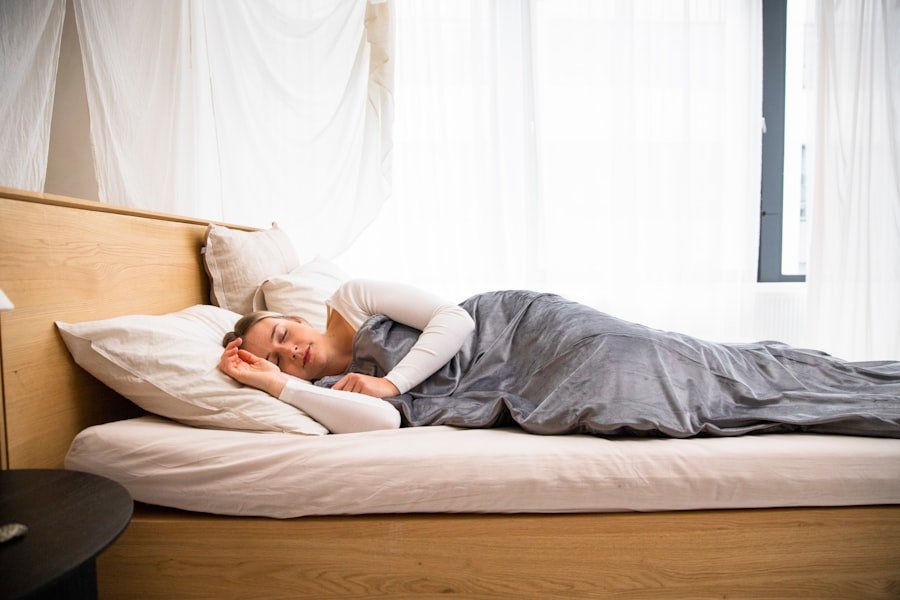
Diagnosing a deviated septum typically involves a thorough examination by a healthcare professional. During this assessment, the doctor will evaluate the nasal passages using a nasal speculum or endoscope to determine the extent of the deviation. Patients may also be asked about their symptoms and medical history to provide context for their condition.
In some cases, imaging studies such as CT scans may be recommended to gain a clearer picture of the nasal anatomy. Treatment options for a deviated septum vary depending on the severity of the condition and its impact on the patient’s quality of life. For mild cases, conservative measures such as nasal sprays or decongestants may provide relief from symptoms.
However, when these methods are insufficient, surgical intervention may be necessary. Septoplasty is a common surgical procedure that aims to correct the deviation by repositioning or removing parts of the septum. This procedure can significantly improve airflow through the nasal passages and alleviate associated symptoms.
Diagnosis and Treatment Options for Sleep Apnea
| Diagnosis and Treatment Options for Sleep Apnea | |
|---|---|
| Diagnosis | Polysomnography (sleep study) to monitor breathing, heart rate, and other vital signs during sleep |
| Home sleep apnea test for mild to moderate cases | |
| Treatment Options | Continuous positive airway pressure (CPAP) therapy |
| Oral appliances to keep the airway open | |
| Surgery to remove excess tissue in the throat or reposition the jaw | |
| Lifestyle changes such as weight loss and avoiding alcohol and sedatives |
Diagnosing sleep apnea typically involves a comprehensive evaluation that includes a detailed medical history and a physical examination. Healthcare providers may recommend a sleep study, either conducted in a sleep lab or at home, to monitor breathing patterns during sleep. This study helps determine the severity of the condition and guides treatment decisions.
Treatment options for sleep apnea vary based on its severity and underlying causes. For mild cases, lifestyle changes such as weight loss, avoiding alcohol, and sleeping on one’s side may be effective in reducing symptoms. In more severe cases, continuous positive airway pressure (CPAP) therapy is often recommended.
In some instances, surgical options may also be considered to remove excess tissue or correct anatomical issues contributing to the disorder.
The Link Between Deviated Septum and Sleep Apnea
The connection between a deviated septum and sleep apnea is significant yet often overlooked. A deviated septum can obstruct airflow through the nasal passages, making it difficult for individuals to breathe properly during sleep. This obstruction can lead to increased airway resistance, which is a key factor in the development of obstructive sleep apnea (OSA).
When airflow is restricted due to nasal blockage, it can result in repeated episodes of apnea—pauses in breathing that can last for several seconds or even minutes. Moreover, individuals with both conditions may find that their symptoms exacerbate each other. For instance, nasal congestion caused by a deviated septum can worsen the severity of sleep apnea episodes, leading to more frequent awakenings throughout the night.
Understanding this link is crucial for effective treatment planning; addressing both conditions simultaneously can lead to improved outcomes for patients struggling with sleep-related issues.
Lifestyle Changes to Improve Sleep with Deviated Septum and Sleep Apnea
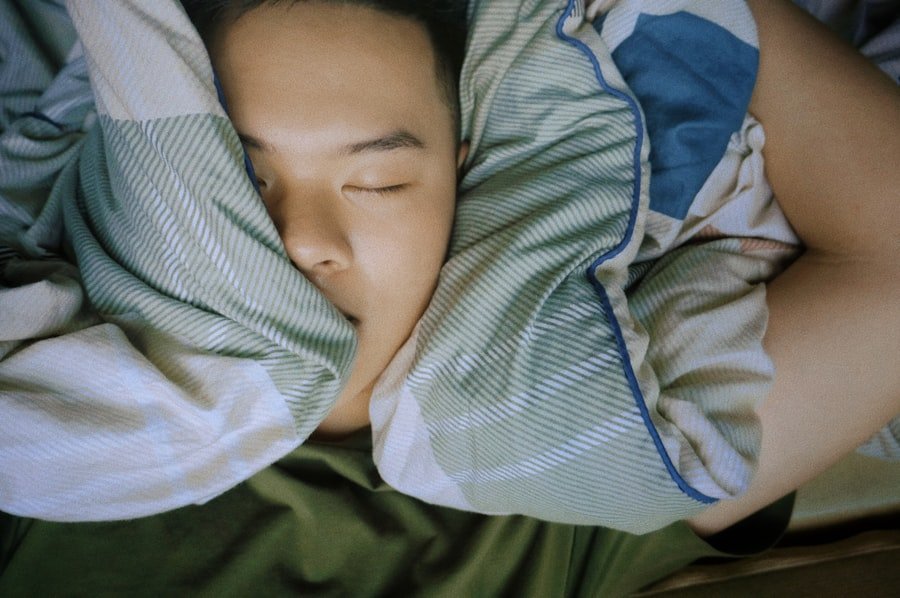
Making lifestyle changes can play a pivotal role in managing both a deviated septum and sleep apnea. For individuals dealing with these conditions, adopting healthy habits can significantly improve sleep quality and overall well-being. One effective strategy is maintaining a healthy weight; excess weight can contribute to airway obstruction during sleep, exacerbating sleep apnea symptoms.
Additionally, creating a conducive sleep environment is essential for those affected by these conditions. This includes establishing a consistent sleep schedule, minimizing exposure to screens before bedtime, and ensuring that the bedroom is dark and quiet.
Elevating the head while sleeping can also help alleviate nasal congestion and improve airflow, making it easier to breathe throughout the night. By implementing these lifestyle changes, individuals can take proactive steps toward enhancing their sleep quality and overall health.
Surgical Options for Deviated Septum and Sleep Apnea
For individuals with severe symptoms related to a deviated septum or obstructive sleep apnea who do not respond well to conservative treatments, surgical options may be considered. Septoplasty is one of the most common procedures performed to correct a deviated septum. During this surgery, an otolaryngologist (ear, nose, and throat specialist) repositions or removes parts of the septum to improve airflow through the nasal passages.
In cases where sleep apnea is primarily caused by anatomical issues such as enlarged tonsils or adenoids, additional surgical interventions may be necessary. Uvulopalatopharyngoplasty (UPPP) is one such procedure that removes excess tissue from the throat to widen the airway. While surgery can provide significant relief for many patients, it is essential to discuss potential risks and benefits with a qualified healthcare provider before proceeding.
Non-Surgical Options for Deviated Septum and Sleep Apnea
For those who prefer non-surgical approaches or have mild cases of a deviated septum or sleep apnea, several effective options are available. Nasal corticosteroids can help reduce inflammation in the nasal passages, improving airflow and alleviating symptoms associated with a deviated septum. Additionally, saline nasal sprays or rinses can help keep the nasal passages moist and clear of irritants.
For managing sleep apnea without surgery, lifestyle modifications remain crucial. Continuous positive airway pressure (CPAP) therapy is often recommended for moderate to severe cases of obstructive sleep apnea. This non-invasive treatment involves wearing a mask connected to a machine that delivers air pressure to keep the airways open during sleep.
Other alternatives include oral appliances designed to reposition the jaw and tongue to prevent airway obstruction during sleep.
Using CPAP Therapy for Sleep Apnea with Deviated Septum
CPAP therapy has become a cornerstone treatment for individuals diagnosed with obstructive sleep apnea, including those with an underlying deviated septum. The device works by providing a continuous flow of air that keeps the airways open while sleeping. For patients with a deviated septum, CPAP therapy can be particularly beneficial as it compensates for any airflow restrictions caused by nasal obstruction.
However, some individuals may find it challenging to adapt to CPAP therapy due to discomfort or difficulty breathing through their nose while wearing the mask. In such cases, consulting with a healthcare provider about potential adjustments or alternative mask styles can enhance comfort and compliance with treatment. Additionally, addressing any underlying nasal issues through medical management or surgical intervention may further improve CPAP effectiveness.
Seeking Professional Help for Deviated Septum and Sleep Apnea
If you suspect that you have a deviated septum or are experiencing symptoms of sleep apnea, seeking professional help is essential for accurate diagnosis and effective treatment planning. A healthcare provider specializing in ear, nose, and throat disorders can conduct thorough evaluations and recommend appropriate interventions based on your specific needs. It’s important not to ignore symptoms such as chronic nasal congestion or excessive daytime fatigue; these could indicate underlying health issues that require attention.
Early intervention can lead to better outcomes and improved quality of life for individuals struggling with these conditions.
Tips for Better Sleep with Deviated Septum and Sleep Apnea
Improving your sleep quality when dealing with a deviated septum or sleep apnea requires a multifaceted approach that combines medical treatment with lifestyle adjustments. Here are some practical tips: 1. **Create a Sleep Routine**: Establishing consistent bedtimes helps regulate your body’s internal clock.
2.
**Elevate Your Head**: Sleeping with your head elevated can reduce nasal congestion and improve airflow.
3. **Limit Stimulants**: Avoid caffeine and nicotine close to bedtime as they can interfere with your ability to fall asleep.
4. **Practice Relaxation Techniques**: Incorporating mindfulness practices such as meditation or deep breathing exercises before bed can help reduce anxiety and promote relaxation.
5.
**Stay Hydrated**: Drinking enough water throughout the day helps keep mucus membranes moist but avoid excessive fluid intake right before bed. By implementing these strategies alongside professional guidance from healthcare providers at Verda Health or similar organizations specializing in holistic care, you can take significant steps toward achieving better sleep quality despite having a deviated septum or sleep apnea. In conclusion, understanding the interplay between a deviated septum and sleep apnea is crucial for those seeking relief from their symptoms.
By exploring various treatment options—both surgical and non-surgical—and making lifestyle changes tailored to individual needs, patients can significantly improve their quality of life. If you’re struggling with these conditions or seeking natural solutions for better health, consider reaching out to Verda Health today for personalized support on your wellness journey!
A deviated septum can significantly impact one’s quality of sleep, often leading to conditions such as sleep apnea. This occurs when the nasal passage is obstructed, causing difficulty in breathing during sleep. For those seeking a holistic approach to managing such health issues, functional medicine offers promising solutions. By addressing the root causes of health problems rather than just the symptoms, functional medicine can provide a comprehensive treatment plan. To learn more about how functional medicine can be a powerful tool in unlocking better health, you can read this related article: Unlocking Health: The Power of Functional Medicine.
FAQs
What is a deviated septum?
A deviated septum is when the thin wall (nasal septum) between your nasal passages is displaced to one side, making one nasal passage smaller than the other.
What are the symptoms of a deviated septum?
Symptoms of a deviated septum may include difficulty breathing through the nose, nasal congestion, frequent nosebleeds, facial pain, and noisy breathing during sleep.
What is sleep apnea?
Sleep apnea is a sleep disorder characterized by pauses in breathing or shallow breathing during sleep. It can lead to disrupted sleep and low blood oxygen levels.
How is a deviated septum related to sleep apnea?
A deviated septum can contribute to the development or worsening of sleep apnea by causing nasal congestion and obstruction, leading to difficulty breathing during sleep.
How is a deviated septum diagnosed?
A deviated septum is diagnosed through a physical examination of the nose and nasal passages by a healthcare professional. Imaging tests such as a CT scan or MRI may also be used to confirm the diagnosis.
How is a deviated septum treated?
Treatment for a deviated septum may include medications to reduce nasal congestion, nasal dilators, or surgical correction through a procedure called septoplasty.
Can treating a deviated septum improve sleep apnea symptoms?
In some cases, correcting a deviated septum through surgery or other treatments may improve symptoms of sleep apnea by reducing nasal obstruction and improving airflow during sleep. However, it is important to consult with a healthcare professional for personalized treatment recommendations.