
In recent years, Melbourne has emerged as a significant player in the cannabis production landscape, reflecting a broader trend across Australia. The city has witnessed a surge in interest and investment in cannabis cultivation, driven by changing public perceptions and increasing demand for both medicinal and recreational cannabis products. This rise can be attributed to a combination of factors, including the growing acceptance of cannabis as a legitimate form of treatment for various health conditions and the potential economic benefits associated with its production.
As more Australians seek natural alternatives to conventional medicine, the cannabis industry has found fertile ground in Melbourne. Local entrepreneurs and established businesses alike are exploring opportunities within this burgeoning market, leading to the establishment of numerous cultivation facilities and dispensaries. This shift not only signifies a change in societal attitudes towards cannabis but also highlights the potential for Melbourne to become a hub for cannabis innovation and production in Australia.
Key Takeaways
- Melbourne has seen a significant rise in cannabis production, with an increasing number of facilities dedicated to cultivation.
- The legalization of cannabis in Australia has opened up new opportunities for the industry, leading to economic growth and job creation in Melbourne.
- Cannabis production has had a positive economic impact on Melbourne, contributing to the local economy and creating new business opportunities.
- The cultivation process of cannabis in Melbourne involves advanced technology and careful monitoring to ensure high-quality yields.
- Technology plays a crucial role in cannabis production in Melbourne, from automated systems to data analytics for optimizing cultivation processes.
The Legalization of Cannabis in Australia
The legalization of cannabis in Australia has been a gradual process, marked by significant milestones that have shaped the current landscape. In 2016, the Australian government legalized the cultivation of cannabis for medicinal purposes, paving the way for licensed producers to grow and supply cannabis products to patients with specific medical conditions. This landmark decision was driven by mounting evidence supporting the therapeutic benefits of cannabis, particularly for conditions such as chronic pain, epilepsy, and anxiety.
As public support for cannabis legalization continues to grow, discussions around recreational use have gained momentum. While recreational cannabis remains illegal at the federal level, some states and territories have begun to explore decriminalization and regulatory frameworks that could allow for its legal use. This evolving legal landscape presents both challenges and opportunities for cannabis producers in Melbourne, as they navigate the complexities of compliance while striving to meet the needs of an increasingly receptive market.
The Economic Impact of Cannabis Production in Melbourne
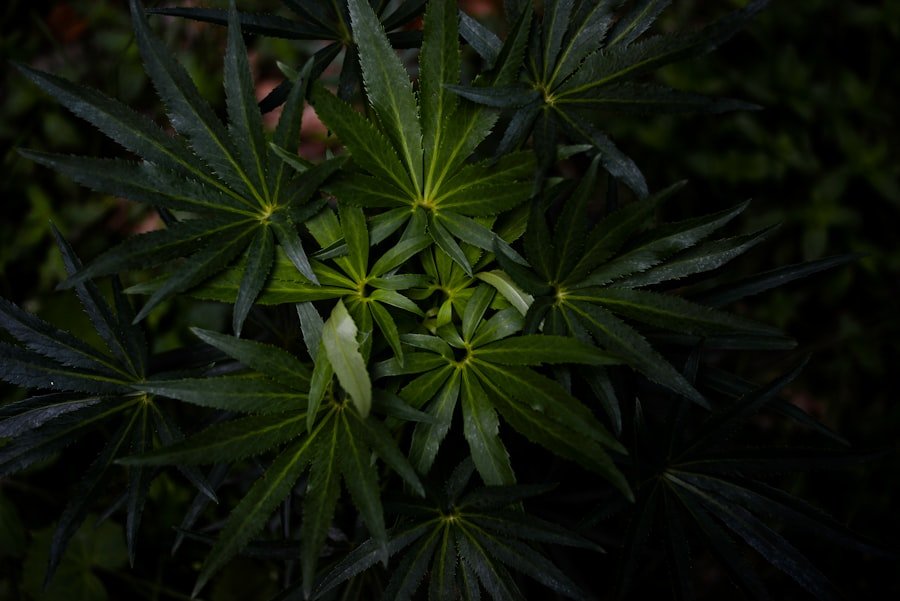
The economic impact of cannabis production in Melbourne is becoming increasingly evident as the industry matures. With the legalization of medicinal cannabis, the city has seen a rise in job creation, investment opportunities, and tax revenue. Local businesses are capitalizing on this growth by establishing cultivation facilities, processing plants, and retail outlets, contributing to the overall economic development of the region.
Moreover, the cannabis industry has the potential to attract significant investment from both domestic and international sources. As more investors recognize the profitability of cannabis production, Melbourne stands to benefit from increased funding for research, development, and innovation within the sector. This influx of capital not only supports local businesses but also fosters a competitive environment that encourages advancements in cultivation techniques and product offerings.
The Cultivation Process of Cannabis in Melbourne
| Stage | Duration | Key Activities |
|---|---|---|
| Germination | 5-10 days | Seed planting, maintaining humidity |
| Vegetative Growth | 3-16 weeks | Providing light, water, and nutrients |
| Flowering | 8-11 weeks | Adjusting light cycle, monitoring for pests |
| Harvesting | 1-2 weeks | Trimming, drying, and curing |
The cultivation process of cannabis in Melbourne involves several key steps that ensure the production of high-quality plants. Initially, growers must select suitable strains based on their desired effects and therapeutic benefits. This selection process is crucial, as different strains possess varying levels of cannabinoids and terpenes that contribute to their unique properties.
Once the strains are chosen, growers prepare their cultivation environment, which can range from indoor facilities with controlled conditions to outdoor farms that harness natural sunlight. The cultivation process requires careful attention to factors such as temperature, humidity, and nutrient levels to optimize plant growth. Additionally, growers must implement sustainable practices to minimize their environmental impact while maximizing yield.
As Melbourne’s cannabis industry continues to evolve, innovative cultivation techniques are being developed to enhance efficiency and sustainability.
The Role of Technology in Cannabis Production
Technology plays a pivotal role in modern cannabis production, revolutionizing traditional cultivation methods and enhancing efficiency. In Melbourne, growers are increasingly adopting advanced technologies such as hydroponics, aeroponics, and automated systems to streamline their operations. These innovations allow for precise control over environmental conditions, resulting in healthier plants and higher yields.
Furthermore, data analytics and artificial intelligence are being utilized to monitor plant health and optimize growth conditions. By analyzing data on factors such as light exposure, nutrient levels, and moisture content, growers can make informed decisions that improve overall productivity. As technology continues to advance, it is expected that Melbourne’s cannabis producers will increasingly leverage these tools to stay competitive in a rapidly evolving market.
The Environmental Impact of Cannabis Cultivation

While cannabis cultivation presents numerous economic opportunities, it also raises important environmental considerations. The environmental impact of cannabis production in Melbourne is a topic of growing concern among both producers and consumers. Traditional cultivation methods can lead to significant resource consumption, including water usage and energy demands associated with indoor growing facilities.
To address these challenges, many growers are adopting sustainable practices that minimize their ecological footprint. Techniques such as organic farming, water conservation measures, and renewable energy sources are becoming more prevalent within the industry. By prioritizing sustainability, Melbourne’s cannabis producers can not only reduce their environmental impact but also appeal to environmentally conscious consumers who seek products aligned with their values.
The Regulation and Compliance of Cannabis Production in Melbourne
Navigating the regulatory landscape is a critical aspect of cannabis production in Melbourne. Producers must adhere to strict guidelines set forth by both state and federal authorities to ensure compliance with legal requirements. This includes obtaining licenses for cultivation, processing, and distribution while adhering to quality control standards that guarantee product safety.
Compliance is essential not only for legal operation but also for building consumer trust. As the industry matures, regulatory bodies are continually refining their frameworks to address emerging challenges and ensure public safety. For producers in Melbourne, staying informed about regulatory changes is crucial for maintaining compliance and fostering a responsible cannabis industry.
The Challenges and Opportunities in the Cannabis Industry
The cannabis industry in Melbourne faces a unique set of challenges and opportunities as it continues to evolve.
Overcoming this stigma requires education and awareness campaigns that highlight the benefits of cannabis as a legitimate form of treatment.
On the other hand, the opportunities within the industry are vast. As consumer demand for natural alternatives grows, producers have the chance to develop innovative products that cater to diverse needs. From medicinal oils to edibles and topicals, there is ample room for creativity and differentiation within the market.
By embracing these opportunities while addressing challenges head-on, Melbourne’s cannabis industry can position itself for long-term success.
The Future of Cannabis Production in Melbourne
The future of cannabis production in Melbourne appears promising as societal attitudes continue to shift towards acceptance and legalization. With ongoing discussions around recreational use and potential regulatory changes at both state and federal levels, the industry is poised for significant growth in the coming years. As more consumers seek natural alternatives for health and wellness, demand for high-quality cannabis products is expected to rise.
Moreover, advancements in technology and cultivation techniques will likely play a crucial role in shaping the future landscape of cannabis production. As producers adopt innovative practices that prioritize sustainability and efficiency, they will be better equipped to meet consumer demands while minimizing their environmental impact. The future holds great potential for Melbourne’s cannabis industry as it navigates these changes and embraces new opportunities.
The Importance of Quality Control in Cannabis Cultivation
Quality control is paramount in cannabis cultivation, ensuring that products meet safety standards and deliver consistent results for consumers. In Melbourne’s burgeoning cannabis industry, producers must implement rigorous quality control measures throughout the cultivation process. This includes regular testing for potency, contaminants, and overall product quality.
By prioritizing quality control, producers can build trust with consumers who seek reliable products for their health needs. Additionally, maintaining high standards helps mitigate risks associated with product recalls or safety concerns that could damage a brand’s reputation. As competition within the industry intensifies, those who prioritize quality will stand out as leaders committed to delivering safe and effective cannabis products.
The Role of Research and Innovation in Advancing Cannabis Production
Research and innovation are driving forces behind advancements in cannabis production in Melbourne. As scientific understanding of cannabis continues to evolve, researchers are exploring new cultivation techniques, extraction methods, and product formulations that enhance therapeutic benefits. Collaborations between academic institutions and industry stakeholders are fostering an environment conducive to innovation.
Investing in research not only supports product development but also contributes to a deeper understanding of cannabis’ potential applications across various health conditions. As more evidence emerges regarding its efficacy, producers can refine their offerings to better meet consumer needs. By embracing research-driven approaches, Melbourne’s cannabis industry can position itself at the forefront of advancements that shape the future of healthcare solutions.
In conclusion, the rise of cannabis production in Melbourne reflects a broader shift towards acceptance and innovation within Australia’s healthcare landscape. As legal frameworks evolve and consumer demand grows, opportunities abound for producers who prioritize quality control, sustainability, and research-driven practices. By navigating challenges with resilience and embracing advancements in technology and cultivation techniques, Melbourne’s cannabis industry is poised for a bright future that aligns with the needs of modern Australians seeking natural alternatives for their health and wellness journeys.
In recent years, Melbourne has seen a significant rise in cannabis production, driven by the increasing demand for natural and alternative medicine solutions. This trend is part of a broader movement towards utilizing herbal medicine for pain management and overall wellness. For those interested in exploring the benefits of herbal medicine, including cannabis, an insightful article on natural pain relief can be found on Verda Health’s website. This article delves into the various herbal options available for managing pain effectively. To learn more, you can read the full article by visiting this link.