
The legal landscape surrounding cannabis cultivation in Perth is complex and continually evolving. As Australia moves towards a more progressive stance on cannabis, particularly for medicinal use, it is essential for cultivators to understand the laws that govern their operations. The legal framework is primarily dictated by both state and federal legislation, which can sometimes create confusion for those looking to enter the market.
In Western Australia, the Cannabis Control Act 2003 and the Misuse of Drugs Act 1981 are pivotal in shaping the regulations that govern cannabis cultivation. In recent years, there has been a significant shift in public perception regarding cannabis, leading to legislative changes aimed at facilitating its use for medicinal purposes. This shift has opened doors for licensed cultivators to operate legally, provided they adhere to strict guidelines.
Understanding these laws is crucial for anyone considering entering the cannabis cultivation industry in Perth, as non-compliance can lead to severe penalties, including fines and imprisonment.
Key Takeaways
- Understanding the legal landscape of cannabis cultivation in Perth is crucial for businesses to operate within the boundaries of the law.
- Licensing and permits are necessary for cannabis cultivation in Perth, and businesses must navigate the application process to ensure compliance.
- Compliance with local zoning and land use regulations is essential to avoid legal issues and maintain a positive relationship with the community.
- Environmental regulations and sustainability practices are important considerations for cannabis cultivation to minimize impact on the environment.
- Security and safety requirements for cannabis cultivation facilities are stringent to prevent unauthorized access and ensure the well-being of employees.
Licensing and Permits for Cannabis Cultivation in Perth
Obtaining the necessary licenses and permits is a critical step for anyone looking to cultivate cannabis in Perth. The process can be intricate, requiring applicants to navigate through various regulatory bodies. In Western Australia, cultivators must apply for a license through the Department of Health, which oversees the cultivation of medicinal cannabis.
This process involves submitting detailed plans outlining the intended cultivation practices, security measures, and compliance with health regulations. The licensing process is designed to ensure that only qualified individuals and organizations can cultivate cannabis, thereby maintaining high standards within the industry. Applicants must demonstrate their ability to comply with all relevant laws and regulations, including those related to health and safety.
Additionally, cultivators may need to secure local permits depending on their specific location and zoning requirements. This multi-layered approach to licensing ensures that cannabis cultivation is conducted responsibly and ethically.
Compliance with Local Zoning and Land Use Regulations
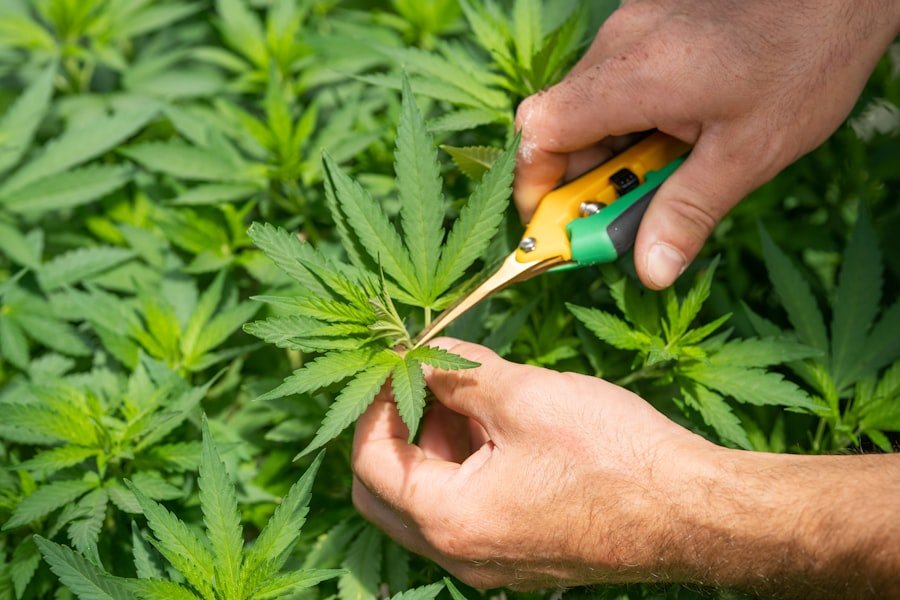
Compliance with local zoning and land use regulations is another essential aspect of cannabis cultivation in Perth. Local councils have specific rules regarding where cannabis can be cultivated, which can vary significantly from one area to another. Before establishing a cultivation facility, it is crucial for prospective growers to consult with their local council to understand any restrictions or requirements that may apply.
Zoning regulations often dictate the types of activities that can occur in certain areas, including agricultural practices like cannabis cultivation. For instance, some zones may be designated for agricultural use, while others may be strictly residential or commercial. Understanding these regulations not only helps cultivators avoid legal issues but also ensures that their operations align with community standards and expectations.
Environmental Regulations and Sustainability Practices for Cannabis Cultivation
| Regulation/Sustainability Practice | Description | Impact |
|---|---|---|
| Organic Certification | Cultivating cannabis using organic methods without synthetic pesticides or fertilizers | Reduces environmental impact and provides consumers with a healthier product |
| Water Conservation | Implementing water-efficient irrigation systems and practices | Minimizes water usage and preserves local water resources |
| Energy Efficiency | Using energy-efficient lighting and HVAC systems | Reduces carbon footprint and operational costs |
| Waste Management | Implementing recycling and composting programs | Minimizes waste sent to landfills and promotes sustainability |
| Compliance with Air Quality Regulations | Implementing measures to reduce air pollution from cultivation activities | Protects public health and the environment from harmful emissions |
As the cannabis industry grows, so does the emphasis on environmental sustainability and compliance with environmental regulations. In Perth, cultivators are required to adhere to various environmental laws aimed at protecting natural resources and minimizing ecological impact. This includes regulations related to water usage, waste management, and pesticide application.
Sustainable practices are becoming increasingly important in the cannabis industry, as consumers are more aware of environmental issues and prefer products that are cultivated responsibly. Implementing sustainable practices not only helps cultivators comply with regulations but also enhances their brand reputation. Techniques such as organic farming, water conservation methods, and integrated pest management can significantly reduce the environmental footprint of cannabis cultivation while promoting healthier products.
Security and Safety Requirements for Cannabis Cultivation Facilities
Security is a paramount concern for cannabis cultivation facilities due to the high value of the product and the potential for theft or vandalism. In Perth, cultivators must implement stringent security measures to protect their facilities and comply with legal requirements. This includes physical security measures such as fencing, surveillance cameras, and alarm systems, as well as access control protocols to ensure that only authorized personnel can enter sensitive areas.
In addition to physical security, safety protocols must also be established to protect employees working within cultivation facilities. This includes training staff on safe handling practices for chemicals and equipment used in the cultivation process. By prioritizing security and safety, cultivators can create a secure environment that not only protects their investment but also fosters a culture of safety among employees.
Employment and Labor Laws for Cannabis Cultivation Businesses in Perth
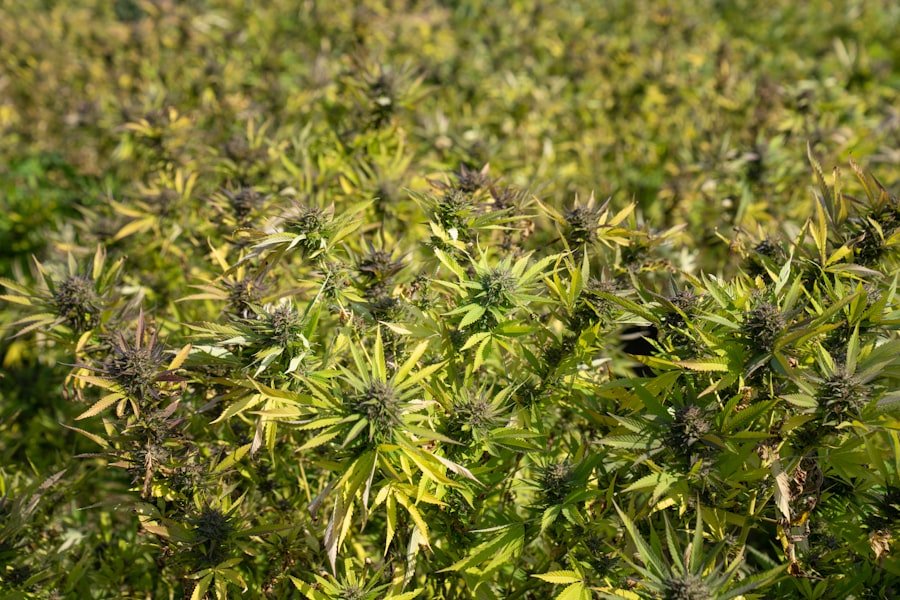
Navigating employment and labor laws is crucial for cannabis cultivation businesses in Perth. As with any industry, employers must comply with various laws governing employee rights, wages, and working conditions. This includes adhering to the Fair Work Act 2009, which outlines minimum wage requirements, leave entitlements, and workplace safety standards.
Given the unique nature of the cannabis industry, employers may also need to consider additional training for their staff regarding compliance with specific regulations related to cannabis cultivation. This could involve educating employees about safe handling practices or ensuring they understand the legal implications of working in a regulated industry. By fostering a supportive work environment that prioritizes employee rights and safety, cultivators can build a loyal workforce that contributes positively to their operations.
Taxation and Financial Regulations for Cannabis Cultivation Operations
Taxation is another critical aspect of operating a cannabis cultivation business in Perth. Cultivators must navigate both state and federal tax laws that apply specifically to the cannabis industry. This includes understanding Goods and Services Tax (GST) implications, as well as any specific tax incentives or deductions available for agricultural businesses.
Financial regulations also play a significant role in the cannabis industry, particularly concerning banking and financing options. Many traditional banks remain hesitant to work with cannabis businesses due to federal restrictions; therefore, cultivators may need to explore alternative financing options or work with financial institutions that specialize in serving the cannabis sector. Understanding these financial regulations is essential for ensuring compliance while effectively managing business operations.
Import and Export Regulations for Cannabis Products in Perth
For those looking to expand their cannabis operations beyond local markets, understanding import and export regulations is vital. In Australia, the importation and exportation of cannabis products are strictly regulated under the Narcotic Drugs Act 1967. Cultivators must obtain specific licenses from the Office of Drug Control (ODC) before engaging in any international trade involving cannabis.
Navigating these regulations can be complex, as they often involve compliance with both domestic laws and international treaties governing controlled substances. Cultivators interested in exporting their products must ensure they meet quality standards set by importing countries while also adhering to Australian regulations. By staying informed about these requirements, cultivators can explore new markets while ensuring compliance with all legal obligations.
Quality Control and Testing Requirements for Cannabis Cultivation
Quality control is paramount in the cannabis industry, particularly given the health implications associated with its use. In Perth, cultivators are required to adhere to strict quality control measures to ensure that their products meet safety standards set by regulatory bodies. This includes regular testing of cannabis products for potency, contaminants, and other quality indicators.
Testing must be conducted by accredited laboratories that follow established protocols for analyzing cannabis products. By implementing rigorous quality control measures, cultivators can ensure that their products are safe for consumers while also enhancing their marketability. Transparency in testing results can also build trust with consumers who are increasingly seeking high-quality, reliable cannabis products.
Marketing and Advertising Restrictions for Cannabis Products in Perth
Marketing and advertising restrictions present unique challenges for cannabis businesses in Perth. Given the sensitive nature of cannabis products, there are strict guidelines governing how these products can be marketed to consumers. The Australian Competition and Consumer Commission (ACCC) provides guidance on advertising practices that must be followed by cannabis businesses.
Cultivators must be cautious not to make misleading claims about their products or promote them in a way that appeals to minors or encourages irresponsible use. Effective marketing strategies often focus on educating consumers about the benefits of medicinal cannabis while adhering to legal restrictions. By developing responsible marketing campaigns that prioritize consumer education, cultivators can effectively promote their products while remaining compliant with advertising regulations.
Future Trends and Developments in Cannabis Cultivation Laws in Perth
As public perception of cannabis continues to evolve, so too will the laws governing its cultivation in Perth. Future trends may include further liberalization of regulations surrounding recreational use or expanded access to medicinal cannabis for patients with various health conditions. Additionally, there may be increased emphasis on sustainability practices within the industry as consumers demand more environmentally friendly products.
Cultivators should stay informed about potential legislative changes that could impact their operations. Engaging with industry associations or advocacy groups can provide valuable insights into upcoming developments while fostering a sense of community among cultivators navigating this dynamic landscape. By remaining proactive and adaptable, cultivators can position themselves for success in an ever-changing regulatory environment.
In conclusion, understanding the legal landscape of cannabis cultivation in Perth requires diligence and awareness of various regulations governing this burgeoning industry. From licensing requirements to environmental sustainability practices, each aspect plays a crucial role in ensuring responsible cultivation practices are upheld. As the industry continues to evolve, staying informed about changes in legislation will be essential for cultivators looking to thrive in this exciting market.
In recent years, the legal landscape surrounding cannabis cultivation in Perth has undergone significant changes, reflecting a broader shift in attitudes towards cannabis use and its potential benefits. As the laws continue to evolve, it’s crucial for individuals and businesses involved in cannabis cultivation to stay informed about the latest regulations and compliance requirements. For those interested in understanding more about the legal aspects and eligibility criteria related to cannabis use and cultivation, the article on eligibility provides valuable insights. This resource offers a comprehensive overview of who can legally access and cultivate cannabis, ensuring that stakeholders are well-equipped to navigate the complexities of the legal framework.