
The cost of medicinal cannabis in Australia has become a significant topic of discussion, particularly as more patients seek alternative treatments for various health conditions. Unlike traditional pharmaceuticals, the pricing structure for medicinal cannabis can be complex and varies widely based on several factors. Patients often find themselves navigating a landscape that is not only influenced by the product itself but also by the legal, regulatory, and market dynamics surrounding it.
Understanding these costs is essential for patients who are considering this treatment option, as it can impact their overall healthcare budget and access to necessary medications. Medicinal cannabis is available in various forms, including oils, capsules, and dried flowers, each with its own pricing model. The cost can range from a few hundred to several thousand dollars per year, depending on the dosage and frequency of use.
For many patients, especially those with chronic conditions requiring long-term treatment, these expenses can add up quickly. Therefore, it is crucial for patients to be informed about the potential costs involved and to explore their options thoroughly before making a decision.
Key Takeaways
- Understanding the cost of medicinal cannabis is important for patients and healthcare providers to make informed decisions.
- Factors affecting the price of medicinal cannabis include production costs, regulations, and market demand.
- Comparing prices of medicinal cannabis in Sydney can help patients find affordable options and understand market trends.
- The legal and regulatory framework impacting the cost of medicinal cannabis can create barriers to accessibility and affordability.
- Insurance coverage for medicinal cannabis in Sydney is limited, but strategies for reducing costs and increasing accessibility are being explored.
Factors Affecting the Price of Medicinal Cannabis
Several factors contribute to the pricing of medicinal cannabis in Australia. One of the primary influences is the cultivation and production process. Growing cannabis for medicinal purposes involves stringent regulations and quality control measures that can drive up production costs.
Licensed producers must adhere to strict guidelines set by the Therapeutic Goods Administration (TGA), which ensures that the products are safe and effective but also adds to the overall cost of production. Another significant factor is the supply chain logistics involved in getting medicinal cannabis from producers to patients. This includes transportation, storage, and distribution costs, all of which can affect the final price that patients pay at pharmacies or clinics.
Additionally, the demand for medicinal cannabis has been steadily increasing, leading to fluctuations in prices based on market dynamics. As more patients seek these treatments, producers may adjust their pricing strategies to reflect supply and demand trends.
Comparing Prices of Medicinal Cannabis in Sydney
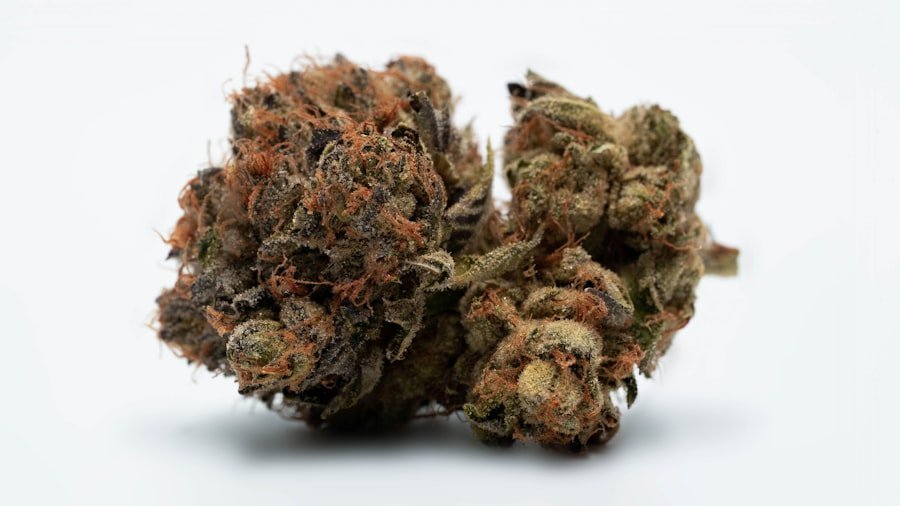
In Sydney, the prices of medicinal cannabis can vary significantly depending on the provider and the specific product being offered. Patients may find that some clinics or pharmacies charge higher prices due to their reputation or the quality of their products. For instance, premium brands that focus on organic cultivation methods or advanced extraction techniques may command higher prices compared to more conventional options.
Moreover, patients should consider the different forms of medicinal cannabis available in Sydney. Oils tend to be more expensive than dried flowers due to their concentrated nature and the extraction processes involved. On average, patients might expect to pay anywhere from $200 to $600 per month for their medicinal cannabis needs, depending on their specific health requirements and the products they choose.
It is advisable for patients to shop around and compare prices from various providers to ensure they are getting the best value for their money.
The Legal and Regulatory Framework Impacting the Cost of Medicinal Cannabis
| Aspect | Impact |
|---|---|
| Legalization status | Determines if medicinal cannabis production and use is allowed |
| Regulatory requirements | Imposes standards for cultivation, processing, and distribution |
| Taxation | Affects the cost of production and sale of medicinal cannabis |
| Import/export regulations | Influences availability and cost of imported medicinal cannabis products |
| Research and development incentives | Can impact innovation and cost of developing new medicinal cannabis products |
The legal landscape surrounding medicinal cannabis in Australia plays a crucial role in determining its cost. The TGA regulates all aspects of medicinal cannabis production and distribution, which includes licensing producers and ensuring compliance with safety standards. While these regulations are essential for patient safety, they also contribute to higher costs due to the extensive compliance requirements that producers must meet.
Additionally, the legal status of medicinal cannabis can create barriers for some patients seeking access to these treatments. The process of obtaining a prescription can be cumbersome and may involve consultations with healthcare professionals who are knowledgeable about cannabis therapies. This can lead to additional costs for patients who may need multiple appointments before receiving their prescriptions.
Understanding this regulatory framework is vital for patients as it directly impacts both accessibility and affordability.
Accessibility and Affordability of Medicinal Cannabis in Sydney
Accessibility remains a significant concern for many patients in Sydney who are interested in using medicinal cannabis as part of their treatment plan. While the legal framework has evolved to allow for greater access, there are still challenges that patients face when trying to obtain these products. For instance, not all healthcare providers are familiar with prescribing medicinal cannabis, which can limit patient options when seeking treatment.
Affordability is another critical issue that affects many patients. Even when they can access medicinal cannabis, the high costs associated with it can be prohibitive for those on fixed incomes or without adequate financial resources. This situation raises important questions about equity in healthcare and whether all patients should have equal access to potentially life-changing treatments like medicinal cannabis.
Insurance Coverage for Medicinal Cannabis in Sydney
One of the most pressing issues regarding the cost of medicinal cannabis is whether it is covered by health insurance plans in Sydney. Currently, most private health insurance policies do not cover medicinal cannabis treatments, leaving patients to bear the full financial burden themselves. This lack of coverage can create significant financial strain for those who rely on these treatments for chronic pain management, anxiety relief, or other health conditions.
However, there are ongoing discussions within the healthcare community about the potential for insurance companies to begin covering medicinal cannabis as more evidence emerges regarding its efficacy and safety. As public awareness grows and more patients advocate for coverage options, there may be a shift in how insurance providers approach this issue in the future.
Strategies for Reducing the Cost of Medicinal Cannabis
For patients looking to manage the costs associated with medicinal cannabis, there are several strategies they can consider. One approach is to explore different product options and dosages that may be more affordable while still meeting their therapeutic needs. Consulting with healthcare professionals who specialize in medicinal cannabis can provide valuable insights into which products may offer the best balance between effectiveness and cost.
Additionally, some patients may benefit from joining support groups or online communities where they can share experiences and tips on sourcing affordable medicinal cannabis options. These networks can provide information on discounts, bulk purchasing opportunities, or even recommendations for clinics that offer competitive pricing.
The Economic Impact of Medicinal Cannabis in Sydney
The rise of medicinal cannabis has not only affected individual patients but has also had broader economic implications for Sydney and Australia as a whole. The industry has created jobs in cultivation, production, distribution, and retail sectors, contributing to local economies and providing new employment opportunities. As more businesses enter this market, there is potential for significant economic growth.
Moreover, increased acceptance of medicinal cannabis can lead to reduced healthcare costs in other areas by providing alternative treatment options that may alleviate symptoms without relying solely on traditional pharmaceuticals. This shift could result in long-term savings for both patients and the healthcare system as a whole.
Patient Perspectives on the Cost of Medicinal Cannabis
Understanding patient perspectives on the cost of medicinal cannabis is essential for grasping its impact on individuals seeking treatment. Many patients express frustration over the high prices associated with these products, particularly when they compare them to conventional medications that may be covered by insurance or subsidized by government programs. For those living with chronic conditions, every dollar counts, making affordability a critical concern.
Patients often share stories about how they have had to make difficult choices regarding their healthcare due to financial constraints. Some have reported having to reduce their dosage or frequency of use simply because they cannot afford it. These personal accounts highlight the need for ongoing discussions about accessibility and affordability within the context of medicinal cannabis.
Addressing the Stigma and Misconceptions around the Cost of Medicinal Cannabis
Despite growing acceptance of medicinal cannabis in Australia, stigma and misconceptions still persist regarding its use and associated costs. Some individuals may view it as a luxury rather than a legitimate medical treatment option, leading to misunderstandings about why it is priced as it is. Addressing these misconceptions is crucial for fostering a more informed public dialogue about medicinal cannabis.
Education plays a vital role in dispelling myths surrounding medicinal cannabis and its costs. By providing accurate information about its benefits, risks, and pricing structures, healthcare providers can help shift perceptions and encourage more people to consider it as a viable treatment option without judgment or stigma.
Future Trends and Developments in the Cost of Medicinal Cannabis
As the landscape surrounding medicinal cannabis continues to evolve in Australia, several trends may shape its future pricing dynamics. Increased competition among producers could lead to more affordable options for patients as companies strive to differentiate themselves in a growing market. Additionally, ongoing research into the efficacy of various cannabis products may result in more standardized pricing models based on evidence-based practices.
Furthermore, advocacy efforts aimed at expanding insurance coverage for medicinal cannabis could significantly impact its affordability in the coming years. As more data becomes available demonstrating its benefits and cost-effectiveness compared to traditional treatments, there may be greater momentum toward integrating it into standard healthcare practices. In conclusion, understanding the cost of medicinal cannabis in Sydney involves navigating a complex interplay of factors ranging from production costs to regulatory frameworks and patient perspectives.
As awareness grows and discussions continue around accessibility and affordability, there is hope for a future where all Australians can access this valuable treatment option without financial burden or stigma.
In recent years, the discussion around medicinal cannabis has gained significant traction, particularly in cities like Sydney where patients are seeking alternative treatments for various ailments. The price of medicinal cannabis in Sydney can vary, influenced by factors such as product type, dosage, and supplier. For those interested in exploring natural remedies alongside medicinal cannabis, an insightful article titled “Natural Remedies for Common Ailments” provides valuable information on alternative treatments that can complement or substitute traditional medication. You can read more about these natural remedies by visiting the article here. This resource offers a comprehensive look at how natural solutions can play a role in managing health conditions effectively.