
Herbal medicines are plant-derived therapeutic preparations that have been utilized in healthcare systems worldwide for thousands of years. These treatments encompass various plant parts including leaves, roots, bark, flowers, and seeds, which are processed into forms such as teas, tinctures, capsules, and topical applications. Archaeological evidence indicates that herbal medicine practices date back to ancient civilizations in Egypt, China, India, and Greece, with many traditional formulations continuing to be studied and used today.
The pharmacological activity of herbal medicines stems from bioactive compounds naturally present in plants, including alkaloids, flavonoids, terpenes, and phenolic compounds. These substances can influence physiological processes through mechanisms such as enzyme inhibition, receptor binding, and antioxidant activity. Research has identified specific therapeutic properties in numerous plant species, with some herbal medicines demonstrating measurable effects on inflammation, immune function, cardiovascular health, and neurological processes.
However, the complexity of plant chemistry means that herbal preparations often contain multiple active compounds that may work synergistically or independently to produce therapeutic effects.
Key Takeaways
- Herbal medicines have a rich history rooted in ancient healing practices and continue to be used worldwide.
- They work through natural compounds that interact with the body to promote healing and wellness.
- Common herbs offer various benefits, including anti-inflammatory, antioxidant, and immune-boosting properties.
- Safe use requires understanding potential side effects and consulting healthcare professionals when combining with modern treatments.
- Ongoing research and innovation are expanding the role of herbal medicines in complementary and integrative healthcare.
The History of Herbal Medicines: Ancient Healing Practices
The use of herbal medicines dates back thousands of years, with ancient civilizations relying on the healing properties of plants long before the advent of modern pharmaceuticals. In ancient Egypt, for instance, herbal remedies were documented on papyrus scrolls, detailing their uses for various ailments. Similarly, traditional Chinese medicine has a rich history of utilizing herbs to restore balance and promote health, emphasizing the interconnectedness of body and mind.
Indigenous cultures around the world have also harnessed the power of plants for healing. In Australia, Aboriginal communities have used native flora for medicinal purposes for millennia, passing down knowledge through generations. This deep-rooted understanding of nature’s offerings highlights the importance of respecting traditional practices while integrating them into contemporary health discussions.
As we reflect on this historical context, it becomes clear that herbal medicines are not merely a trend but rather a time-honored approach to well-being. Learn more about our process by visiting How it Works.
The Science Behind Herbal Medicines: How They Work in the Body
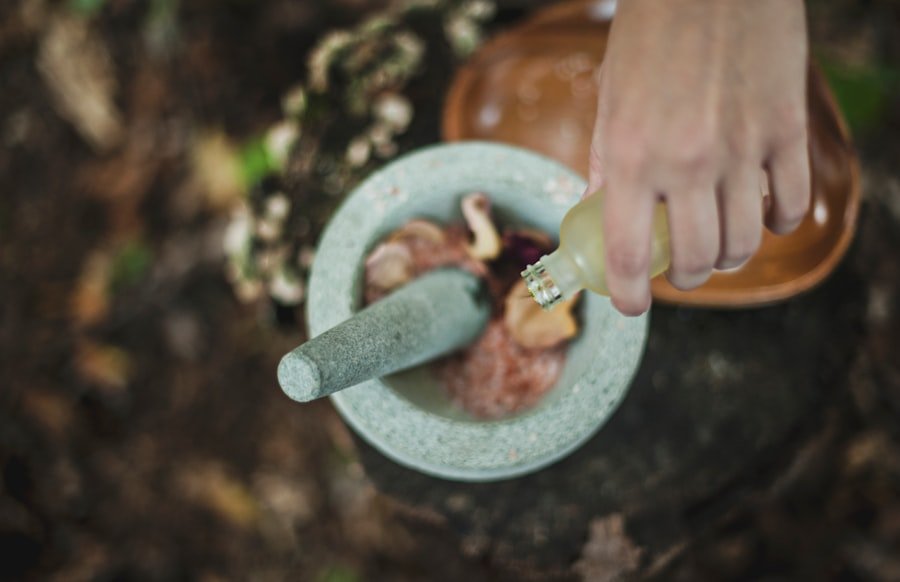
While herbal medicines are often steeped in tradition, modern science is beginning to uncover the mechanisms behind their effectiveness. Many herbs contain bioactive compounds that can influence physiological processes in the body. For example, flavonoids and terpenes found in various plants may have anti-inflammatory or antioxidant properties, potentially supporting overall health.
Research into herbal medicines is ongoing, with studies exploring their effects on conditions such as anxiety, sleep disturbances, and chronic pain. While more rigorous clinical trials are needed to fully understand their efficacy, preliminary findings suggest that certain herbs may help modulate stress responses or promote relaxation. This intersection of traditional knowledge and scientific inquiry offers a promising avenue for those seeking alternative or complementary approaches to health.
Common Herbal Medicines: A Guide to Popular Natural Remedies
As interest in herbal medicines grows, so does the variety of options available to consumers. Some of the most commonly used herbs include chamomile, known for its calming effects; ginger, often utilized for digestive support; and turmeric, celebrated for its anti-inflammatory properties. Each herb carries its unique profile of benefits and potential uses.
In addition to these well-known remedies, lesser-known herbs like ashwagandha and rhodiola are gaining attention for their adaptogenic properties—helping the body adapt to stressors and promoting resilience. Understanding these common herbal medicines can empower individuals to explore natural remedies that align with their health goals. However, it’s essential to approach these options with care and consideration.
The Benefits of Herbal Medicines: Healing Properties and Uses
| Herbal Medicine | Common Use | Active Compounds | Typical Dosage | Potential Side Effects |
|---|---|---|---|---|
| Echinacea | Immune support, cold prevention | Alkamides, caffeic acid derivatives | 300-500 mg, 3 times daily | Allergic reactions, gastrointestinal upset |
| Ginkgo Biloba | Memory enhancement, circulation improvement | Flavonoids, terpenoids | 120-240 mg daily | Headache, dizziness, allergic skin reactions |
| St. John’s Wort | Mild to moderate depression | Hypericin, hyperforin | 300 mg, 3 times daily | Photosensitivity, drug interactions |
| Turmeric | Anti-inflammatory, antioxidant | Curcumin | 500-2000 mg daily | Gastrointestinal discomfort, risk of bleeding |
| Ginseng | Energy boost, cognitive function | Ginsenosides | 200-400 mg daily | Insomnia, nervousness, headaches |
The benefits of herbal medicines extend beyond mere symptom relief; they often promote a holistic approach to health. Many individuals turn to herbal remedies not only for physical ailments but also for emotional and mental well-being. For instance, herbs like lavender and passionflower may help support relaxation and improve sleep quality, addressing the interconnected nature of mind and body.
Moreover, herbal medicines can be integrated into daily routines as preventive measures rather than solely reactive treatments. By incorporating herbs into one’s lifestyle—whether through teas, tinctures, or supplements—individuals may cultivate a proactive approach to their health. This shift towards prevention aligns with a growing recognition of the importance of self-care and wellness in today’s fast-paced world.
Herbal Medicines for Better Health: A Holistic Approach to Wellness

Embracing herbal medicines as part of a holistic approach to wellness encourages individuals to consider their overall lifestyle and well-being. This perspective acknowledges that health is not merely the absence of illness but encompasses physical, mental, and emotional dimensions. By integrating herbal remedies into a broader wellness strategy—alongside nutrition, exercise, and mindfulness practices—individuals may experience more comprehensive benefits.
For those feeling underserved by conventional medicine, herbal remedies can offer an empowering alternative or complement to existing treatments. This holistic approach fosters a sense of agency over one’s health journey, allowing individuals to explore various avenues for support. As we continue to navigate the complexities of modern life, embracing this multifaceted approach can lead to improved overall well-being.
Using Herbal Medicines Safely: Precautions and Potential Side Effects
While herbal medicines can offer numerous benefits, it is crucial to approach them with caution and awareness. Not all herbs are suitable for everyone, and some may interact with medications or exacerbate certain conditions. It is essential for individuals to consult with healthcare professionals before incorporating new herbal remedies into their routines, particularly if they have pre-existing health concerns or are pregnant or breastfeeding.
Additionally, understanding potential side effects is vital for safe usage. While many herbs are generally considered safe when used appropriately, some may cause adverse reactions in certain individuals. Educating oneself about the specific properties and potential risks associated with each herb can help mitigate these concerns and ensure a positive experience with herbal medicines.
Incorporating Herbal Medicines into Your Daily Routine: Tips for Success
Integrating herbal medicines into daily life can be a rewarding endeavor when approached thoughtfully. One effective strategy is to start small—selecting one or two herbs that resonate with your health goals and gradually incorporating them into your routine. This allows you to monitor how your body responds without overwhelming yourself with too many changes at once.
Creating rituals around herbal usage can also enhance the experience. For example, brewing a calming chamomile tea before bedtime can signal your body that it’s time to unwind. Similarly, incorporating herbs into meals not only adds flavor but also promotes overall wellness.
Herbal Medicines and Modern Medicine: Complementary Approaches to Healing
The relationship between herbal medicines and modern medicine is evolving as more healthcare professionals recognize the value of integrative approaches. Rather than viewing these two modalities as opposing forces, many practitioners advocate for a complementary relationship where both can coexist harmoniously.
For those who feel underserved by conventional medicine, incorporating herbal remedies alongside prescribed treatments may provide additional support without replacing necessary medical care. Open communication with healthcare providers about herbal usage is essential to ensure safety and efficacy while fostering a collaborative approach to health management.
The Future of Herbal Medicines: Research and Innovation in Natural Remedies
As interest in herbal medicines continues to grow, so does the need for rigorous research and innovation in this field. Ongoing studies aim to uncover the mechanisms behind various herbs’ effects on health while exploring new applications for these natural remedies. This research not only enhances our understanding but also helps establish evidence-based practices that can guide individuals in their choices.
Moreover, advancements in technology are paving the way for more accessible information about herbal medicines. Online platforms and telehealth services are making it easier for individuals to connect with knowledgeable practitioners who can provide guidance on safe usage and effective combinations of herbs tailored to individual needs.
Embracing the Power of Herbal Medicines: A Path to Improved Health and Well-Being
In conclusion, embracing herbal medicines offers a promising path toward improved health and well-being for those seeking alternatives or complements to conventional treatments. By understanding the history, science, and practical applications of these natural remedies, individuals can make informed choices that align with their values and health goals. As we navigate an increasingly complex healthcare landscape, integrating herbal medicines into our lives can empower us to take charge of our well-being holistically.
With careful consideration and guidance from healthcare professionals, we can harness the power of nature’s offerings while fostering a deeper connection with our bodies and minds on our journey toward optimal health.
Herbal medicines have gained significant attention in recent years for their potential health benefits and holistic approach to wellness. For those interested in exploring how these natural remedies can be integrated into a broader health strategy, the article on functional medicine provides valuable insights. You can read more about it in the article Unlocking Health: The Power of Functional Medicine. This resource delves into the principles of functional medicine and how it complements the use of herbal therapies for optimal health.