
Anxiety and depression are two of the most prevalent mental health challenges faced by Australians today. They can manifest in various ways, affecting not only emotional well-being but also physical health, relationships, and overall quality of life. Anxiety often presents as excessive worry, restlessness, or a sense of impending doom, while depression may lead to feelings of hopelessness, fatigue, and a lack of interest in activities once enjoyed.
Understanding these conditions is crucial for those who feel overwhelmed or underserved by conventional medicine. Many individuals experience these feelings at some point in their lives, but when they become persistent, it’s essential to recognize them as potential mental health disorders. The stigma surrounding mental health can make it difficult for people to seek help, leading to a cycle of suffering in silence.
It’s important to remember that you are not alone; millions of Australians are navigating similar challenges. Acknowledging the need for support is the first step toward finding effective strategies for managing anxiety and depression.
Key Takeaways
- Anxiety and depression can be managed through a combination of therapy, medication, and lifestyle changes.
- Exercise, dietary adjustments, and mindfulness practices play a significant role in reducing symptoms.
- Support groups and peer counseling provide valuable emotional support and shared experiences.
- Alternative treatments and self-help strategies can complement traditional therapies.
- Seeking professional help early is crucial for effective management and recovery.
Therapy Options for Anxiety and Depression
Therapy can be a valuable resource for individuals grappling with anxiety and depression. Various therapeutic approaches exist, each tailored to meet the unique needs of the individual. Cognitive-behavioral therapy (CBT) is one of the leading methods, focusing on identifying and changing negative thought patterns that contribute to anxiety and depression.
This evidence-informed approach can empower individuals to develop healthier coping mechanisms and improve their emotional resilience. Another option is mindfulness-based therapy, which encourages individuals to stay present and engage with their thoughts and feelings without judgment. This approach can be particularly beneficial for those who struggle with racing thoughts or overwhelming emotions.
By learning to observe their experiences rather than react impulsively, individuals may find a greater sense of calm and clarity. Exploring these therapy options can be an essential step in your journey toward improved mental health. Learn more about our process by visiting How it Works.
Medication for Anxiety and Depression

For some individuals, medication may be a necessary component of managing anxiety and depression. Various classes of medications are available, including antidepressants and anti-anxiety medications, which may help alleviate symptoms and improve overall functioning. It’s important to approach medication as part of a comprehensive treatment plan that may also include therapy and lifestyle changes.
Consulting with a healthcare professional is crucial when considering medication options. They can provide guidance on the potential benefits and risks associated with different medications, helping you make informed decisions about your treatment. While medication can support symptom management, it’s essential to remember that it is not a standalone solution.
A holistic approach that incorporates various strategies can lead to more sustainable improvements in mental health.
Lifestyle Changes to Manage Anxiety and Depression
Making lifestyle changes can significantly impact the management of anxiety and depression. Simple adjustments to daily routines can foster a sense of control and well-being. For instance, establishing a regular sleep schedule can improve sleep quality, which is often disrupted by anxiety and depression.
Prioritizing sleep hygiene—such as creating a calming bedtime routine—can help individuals feel more rested and better equipped to face daily challenges. Nutrition also plays a vital role in mental health.
Staying hydrated and limiting processed foods may also contribute positively to mood regulation. By focusing on these lifestyle changes, individuals can create a foundation for improved mental health that complements other treatment options.
Alternative Treatments for Anxiety and Depression
| Treatment | Effectiveness | Common Duration | Side Effects | Notes |
|---|---|---|---|---|
| Cognitive Behavioral Therapy (CBT) | High | 8-20 weeks | Minimal | Focuses on changing negative thought patterns |
| Selective Serotonin Reuptake Inhibitors (SSRIs) | Moderate to High | 6-12 weeks to see effect | Nausea, insomnia, sexual dysfunction | Common first-line medication for anxiety and depression |
| Mindfulness-Based Stress Reduction (MBSR) | Moderate | 8 weeks | Minimal | Involves meditation and mindfulness practices |
| Exercise | Moderate | Ongoing | Minimal | Improves mood and reduces anxiety symptoms |
| Serotonin-Norepinephrine Reuptake Inhibitors (SNRIs) | Moderate to High | 6-12 weeks to see effect | Increased blood pressure, nausea | Alternative to SSRIs, effective for some patients |
| Psychodynamic Therapy | Moderate | Several months to years | Minimal | Focuses on unconscious processes and past experiences |
| Electroconvulsive Therapy (ECT) | High (for severe cases) | 6-12 sessions | Memory loss, confusion | Used for treatment-resistant depression |
In addition to conventional therapies and medications, many individuals explore alternative treatments for anxiety and depression. These options may include acupuncture, herbal remedies, or aromatherapy, which some people find beneficial in managing their symptoms. While research on these treatments varies in terms of evidence, they can offer additional avenues for support.
It’s essential to approach alternative treatments with an open mind while remaining cautious about their efficacy. Consulting with a healthcare professional before trying new therapies can help ensure that they align with your overall treatment plan. Integrating alternative treatments into your routine may provide additional relief and enhance your overall sense of well-being.
Support Groups and Peer Counseling for Anxiety and Depression
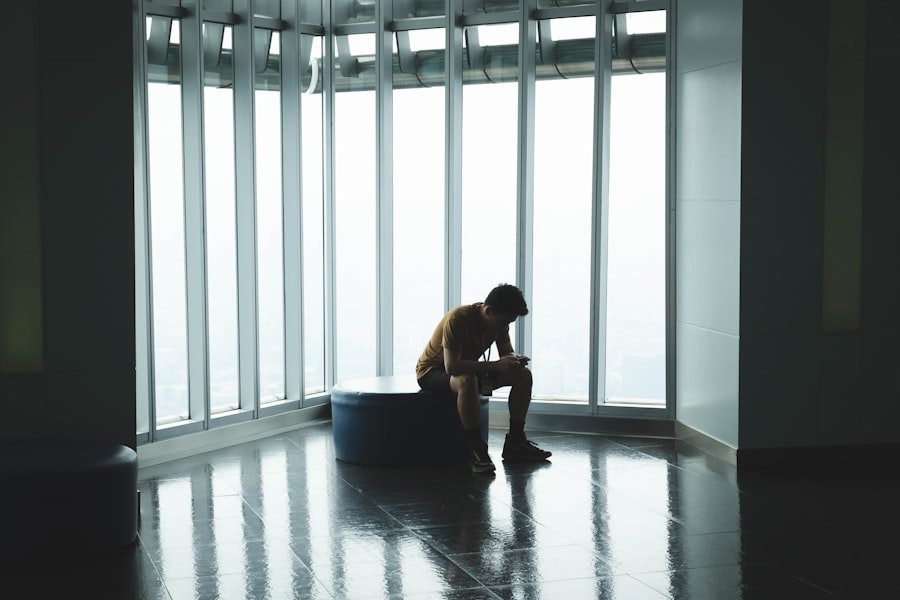
Support groups and peer counseling can be invaluable resources for individuals dealing with anxiety and depression. Connecting with others who share similar experiences fosters a sense of community and understanding that can be incredibly comforting. These groups provide a safe space for individuals to share their stories, learn from one another, and gain insights into coping strategies that have worked for others.
Peer counseling offers an additional layer of support by pairing individuals with trained peers who have experienced similar challenges. This one-on-one connection can help individuals feel less isolated in their struggles while providing practical advice based on lived experiences. Engaging in support groups or peer counseling can be an empowering step toward healing and recovery.
Self-Help Strategies for Anxiety and Depression
Self-help strategies are essential tools for managing anxiety and depression on a day-to-day basis. These techniques can empower individuals to take an active role in their mental health journey. Journaling is one effective method; it allows individuals to express their thoughts and feelings freely while gaining insight into their emotional patterns.
Writing down worries or reflections can help clarify thoughts and reduce feelings of overwhelm. Another self-help strategy is setting small, achievable goals. Breaking tasks into manageable steps can create a sense of accomplishment and motivation, countering feelings of helplessness often associated with anxiety and depression.
By celebrating these small victories, individuals can build confidence in their ability to navigate challenges.
Importance of Exercise and Physical Activity in Managing Anxiety and Depression
Regular physical activity is one of the most effective lifestyle changes that can support mental health. Exercise has been shown to release endorphins—natural mood lifters—that can help alleviate symptoms of anxiety and depression. Engaging in physical activity doesn’t have to mean hitting the gym; even simple activities like walking, dancing, or gardening can provide significant benefits.
Incorporating exercise into your routine can also foster a sense of structure and purpose, which is particularly helpful during times of emotional distress. Finding an activity you enjoy makes it easier to stay consistent, ultimately contributing to improved mental well-being over time.
Dietary Changes for Anxiety and Depression
Dietary changes can play a crucial role in managing anxiety and depression symptoms. Research suggests that certain nutrients—such as omega-3 fatty acids, B vitamins, and antioxidants—may support brain health and emotional regulation. Incorporating foods rich in these nutrients into your diet can be a proactive step toward enhancing your mental well-being.
Additionally, being mindful of sugar intake is essential; high sugar consumption has been linked to mood swings and increased anxiety levels. Focusing on whole foods—such as fruits, vegetables, whole grains, lean proteins, and healthy fats—can create a balanced diet that supports both physical and mental health.
Mindfulness and Meditation for Anxiety and Depression
Mindfulness practices, including meditation, have gained popularity as effective tools for managing anxiety and depression. These techniques encourage individuals to focus on the present moment without judgment, helping to reduce racing thoughts and overwhelming emotions. Regular mindfulness practice may cultivate greater self-awareness and emotional resilience over time.
Starting with just a few minutes of mindfulness or meditation each day can yield significant benefits. There are numerous resources available—such as apps or online classes—that guide individuals through these practices at their own pace. By incorporating mindfulness into daily routines, individuals may find themselves better equipped to handle stressors as they arise.
Seeking Professional Help for Anxiety and Depression
While self-help strategies are valuable, seeking professional help is often necessary for those struggling with anxiety and depression. A healthcare professional can provide personalized guidance tailored to your unique needs, helping you navigate the complexities of mental health treatment options available today. Telehealth services like Verda Health offer accessible consultations from the comfort of your home, making it easier than ever to connect with qualified professionals who understand your concerns.
With a simple four-step process—including a 30-second pre-screening followed by a free initial nurse consultation—Verda Health aims to reduce hesitation around seeking help while ensuring you receive the support you need. In conclusion, understanding anxiety and depression is the first step toward finding effective management strategies that work for you. By exploring various therapy options, considering medication when appropriate, making lifestyle changes, engaging in alternative treatments, participating in support groups, implementing self-help strategies, prioritizing exercise and nutrition, practicing mindfulness, and seeking professional help when needed, you can take charge of your mental health journey with confidence.
Remember that you are not alone; support is available every step of the way.
For those seeking effective strategies to manage anxiety and depression, exploring personalized medicine can be particularly beneficial. A related article that delves into this innovative approach is titled “Revolutionizing Healthcare: The Power of Personalized Medicine,” which discusses how tailored treatments can significantly improve mental health outcomes. You can read more about it by following this link: Revolutionizing Healthcare: The Power of Personalized Medicine.