
Anxiety is a common experience that many Australians face, particularly those aged 30 to 65 who may be juggling various life responsibilities, such as work, family, and personal health. It can manifest in numerous ways, from persistent worry and restlessness to physical symptoms like increased heart rate and muscle tension. Understanding anxiety is the first step toward managing it effectively.
It’s essential to recognize that anxiety is not merely a personal failing or a sign of weakness; rather, it is a complex interplay of biological, psychological, and environmental factors. For many, anxiety can feel overwhelming and isolating. The pressures of modern life can exacerbate feelings of stress and unease, leading to a cycle that can be difficult to break.
However, acknowledging these feelings and understanding their origins can empower individuals to seek out effective strategies for relief. It’s important to remember that you are not alone in this journey; many people are navigating similar challenges, and there are various approaches available that may help in managing anxiety.
Key Takeaways
- Anxiety can be managed through a combination of natural remedies and lifestyle changes.
- Herbal remedies, breathing techniques, and aromatherapy offer effective anxiety relief.
- Mindfulness, meditation, and regular exercise help reduce anxiety symptoms.
- Dietary adjustments and creating a calming environment support anxiety management.
- Professional help and therapies like acupuncture may be necessary for severe anxiety.
Herbal Remedies for Anxiety
Herbal remedies have gained popularity as a complementary approach to managing anxiety. Many individuals are turning to nature for support, seeking out plants and herbs that have been traditionally used for their calming properties. For instance, herbs like chamomile, lavender, and valerian root have been studied for their potential to promote relaxation and reduce feelings of anxiety.
While these remedies may not replace conventional treatments, they can serve as valuable tools in a holistic approach to well-being. Incorporating herbal remedies into your routine can be as simple as enjoying a soothing cup of herbal tea or using essential oils in a diffuser. However, it’s crucial to approach these remedies with an informed mindset.
Consulting with a healthcare professional can provide guidance on the appropriate use of herbal supplements and ensure they align with your overall health plan. By integrating herbal remedies thoughtfully, you may find additional support in managing your anxiety. Learn more about our process by visiting How it Works.
Breathing Techniques for Anxiety Relief
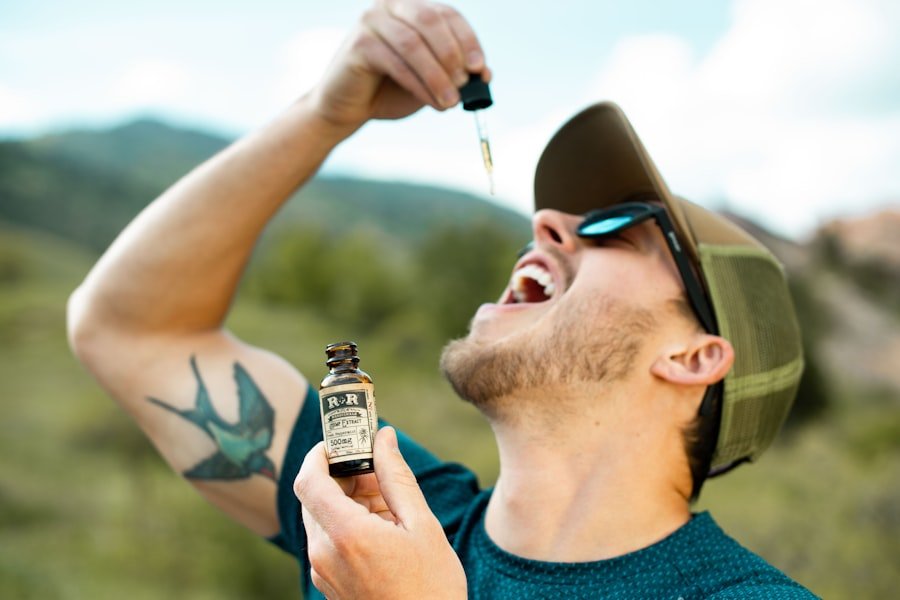
Breathing techniques are powerful tools that can help alleviate anxiety in the moment.
By consciously focusing on our breath, we can activate the body’s relaxation response and create a sense of calm.
Techniques such as deep diaphragmatic breathing or the 4-7-8 method encourage slower, more controlled breaths that may help reduce anxiety levels. Practicing these techniques regularly can also enhance your overall resilience to stress. Setting aside just a few minutes each day to engage in focused breathing can create a significant impact over time.
Whether you choose to practice in a quiet space or incorporate it into your daily routine, such as during a break at work or before bedtime, these techniques can serve as a grounding practice that supports your mental well-being.
Aromatherapy for Anxiety Relief
Aromatherapy is another holistic approach that many individuals find beneficial for managing anxiety. The use of essential oils derived from plants can create an environment conducive to relaxation and emotional balance. Scents like lavender, bergamot, and frankincense are often associated with calming effects and may help ease feelings of tension and stress.
Incorporating aromatherapy into your daily life can be as simple as using an essential oil diffuser or applying diluted oils to pulse points on your body. Creating a calming atmosphere with pleasant scents can enhance your overall sense of well-being and provide a comforting ritual during times of heightened anxiety. As with any complementary approach, it’s advisable to consult with a healthcare professional to ensure safe usage and compatibility with your individual health needs.
Mindfulness and Meditation for Anxiety
| Remedy | Type | Effectiveness | Typical Duration | Common Side Effects |
|---|---|---|---|---|
| Cognitive Behavioral Therapy (CBT) | Psychotherapy | High | 8-20 weeks | Minimal |
| Mindfulness Meditation | Behavioral | Moderate to High | Ongoing | Possible initial restlessness |
| Exercise (Aerobic) | Lifestyle | Moderate | 30 minutes daily | Muscle soreness |
| Herbal Supplements (e.g., Valerian Root, Chamomile) | Natural Remedy | Low to Moderate | Varies | Drowsiness, Allergic reactions |
| Prescription Medications (e.g., SSRIs, Benzodiazepines) | Pharmacological | High | Weeks to months | Drowsiness, Dependence (benzodiazepines) |
| Deep Breathing Exercises | Behavioral | Moderate | 5-10 minutes per session | Rare |
| Progressive Muscle Relaxation | Behavioral | Moderate | 15-20 minutes per session | Rare |
Mindfulness and meditation practices have gained recognition for their potential benefits in managing anxiety. These techniques encourage individuals to focus on the present moment, fostering a sense of awareness that can help reduce racing thoughts and worries about the future. Mindfulness practices can take many forms, from guided meditations to simple breathing exercises that promote relaxation.
Engaging in mindfulness regularly may help cultivate a greater sense of control over anxious thoughts and feelings. Many people find that dedicating even a few minutes each day to mindfulness can lead to improved emotional regulation and resilience over time. Whether you choose to meditate in silence or follow along with guided sessions available through various apps or online platforms, these practices can serve as valuable tools in your journey toward emotional well-being.
Exercise and Anxiety Relief
Physical activity is another effective strategy for managing anxiety. Engaging in regular exercise has been shown to release endorphins—natural chemicals in the brain that promote feelings of happiness and well-being. Whether it’s going for a brisk walk, participating in yoga classes, or engaging in team sports, finding an activity you enjoy can make a significant difference in your mental health.
Moreover, exercise provides an opportunity to connect with others and foster social support, which is vital for emotional resilience. Incorporating movement into your daily routine doesn’t have to be daunting; even short bursts of activity throughout the day can contribute positively to your overall mood. By prioritizing physical activity as part of your self-care routine, you may find that it becomes an essential component of your strategy for managing anxiety.
Dietary Changes for Anxiety Management
What we eat can significantly impact our mental health, including our experience of anxiety. A balanced diet rich in whole foods—such as fruits, vegetables, whole grains, lean proteins, and healthy fats—can support overall well-being and may help mitigate symptoms of anxiety. Certain nutrients, such as omega-3 fatty acids found in fish and antioxidants found in berries, have been linked to improved mood regulation.
Conversely, excessive consumption of processed foods high in sugar and unhealthy fats may contribute to increased feelings of anxiety and stress. Being mindful of your dietary choices can empower you to make changes that support your mental health. Consulting with a nutritionist or healthcare professional can provide personalized guidance on dietary adjustments that align with your individual needs and preferences.
Creating a Calming Environment
The environment we inhabit plays a crucial role in our mental well-being. Creating a calming space at home can provide a sanctuary where you feel safe and relaxed. Simple changes such as decluttering your living area, incorporating soft lighting, or adding plants can contribute to a more peaceful atmosphere.
Additionally, consider incorporating elements that promote relaxation—such as comfortable seating areas for reading or meditation spaces adorned with calming colors and textures. Personalizing your environment with items that bring you joy or comfort can enhance your sense of well-being. By intentionally designing your space to support relaxation and tranquility, you may find it easier to manage feelings of anxiety when they arise.
Acupuncture and Acupressure for Anxiety Relief
Acupuncture and acupressure are traditional practices rooted in ancient Chinese medicine that have gained recognition for their potential benefits in managing anxiety. These techniques involve stimulating specific points on the body to promote balance and relaxation. While research is ongoing regarding their efficacy for anxiety relief, many individuals report positive experiences with these modalities.
Acupuncture involves the insertion of fine needles into specific points on the body, while acupressure uses manual pressure on these points without needles. Both approaches aim to restore energy flow and promote relaxation within the body. If you’re considering these therapies, it’s essential to seek out qualified practitioners who adhere to safety standards and best practices.
Supplements for Anxiety Management
Supplements are another avenue some individuals explore when seeking support for anxiety management. Various vitamins and minerals—such as magnesium, B vitamins, and vitamin D—are thought to play roles in mood regulation and overall mental health. Additionally, herbal supplements like ashwagandha or passionflower are often cited for their potential calming effects.
Before incorporating any supplements into your routine, it’s crucial to consult with a healthcare professional who can provide guidance based on your individual health profile. They can help ensure that any supplements you consider are safe and appropriate for your needs while also discussing potential interactions with other medications you may be taking.
Seeking Professional Help
While self-care strategies are valuable tools in managing anxiety, there are times when seeking professional help is essential. Mental health professionals—such as psychologists or psychiatrists—can provide tailored support through therapy or medication management when necessary. Engaging with a professional allows for personalized strategies that address the unique aspects of your experience with anxiety.
If you’re feeling overwhelmed or unsure where to start, consider reaching out for support through telehealth services like Verda Health. This doctor-led platform offers accessible consultations from the comfort of your home, making it easier than ever to connect with healthcare professionals who understand your concerns. Remember that seeking help is a sign of strength; taking proactive steps toward your mental well-being is an important part of the journey toward feeling more balanced and at ease.
In conclusion, managing anxiety is a multifaceted process that often requires a combination of approaches tailored to individual needs. By exploring various strategies—from herbal remedies and mindfulness practices to professional support—you can create a comprehensive plan that supports your mental well-being. Remember that you are not alone on this journey; there are resources available to help you navigate the complexities of anxiety while fostering resilience and emotional balance.
If you’re looking for effective remedies to manage anxiety, you might find it helpful to explore the benefits of acupressure therapy. This ancient practice not only helps relieve pain and stress but can also promote relaxation and emotional balance. For more information, check out this article on relieving pain and stress with acupressure therapy.