
Anxiety disorders represent the most prevalent category of mental health conditions in Australia, affecting approximately one in four individuals during their lifetime. These disorders include generalized anxiety disorder, panic disorder, social anxiety disorder, and specific phobias, each characterized by distinct symptom patterns and triggers. Generalized anxiety disorder involves excessive worry about multiple life areas, while panic disorder features recurrent panic attacks with intense physical symptoms.
Social anxiety disorder centers on fear of social situations and potential judgment, and specific phobias involve intense fear of particular objects or situations. Common symptoms across these disorders include persistent worry, restlessness, fatigue, difficulty concentrating, muscle tension, sleep disturbances, increased heart rate, sweating, and trembling. Anxiety disorders significantly impact daily functioning, affecting work productivity, academic performance, interpersonal relationships, and physical health.
Research indicates that untreated anxiety disorders can lead to increased risk of depression, substance abuse, and cardiovascular problems. The economic burden includes healthcare costs, reduced workplace productivity, and increased absenteeism. Evidence-based treatments for anxiety disorders include cognitive-behavioral therapy, exposure therapy, and pharmacological interventions such as selective serotonin reuptake inhibitors and benzodiazepines for short-term use.
Treatment effectiveness varies by individual and disorder type, with combination approaches often yielding optimal outcomes. Early intervention and appropriate treatment significantly improve prognosis and quality of life for individuals with anxiety disorders.
Key Takeaways
- Anxiety disorders can be managed through various therapeutic approaches including CBT, medication, and exposure therapy.
- Relaxation, mindfulness techniques, and lifestyle changes play a crucial role in reducing anxiety symptoms.
- Support groups and peer support provide valuable emotional assistance for individuals with anxiety.
- Combining different treatments often leads to better outcomes than using a single approach alone.
- Early intervention and professional help are essential, especially for managing anxiety in children and adolescents.
Cognitive Behavioral Therapy (CBT) for Anxiety
Cognitive Behavioral Therapy (CBT) is a leading therapeutic approach for treating anxiety disorders. This evidence-based method focuses on identifying and challenging negative thought patterns that contribute to feelings of anxiety. Through CBT, individuals learn to reframe their thoughts and develop healthier coping mechanisms.
The process often involves working with a trained therapist who guides clients through various exercises designed to promote self-awareness and emotional regulation. One of the key benefits of CBT is its structured nature, which allows individuals to track their progress over time. Many people find that engaging in CBT not only helps them manage their anxiety but also equips them with valuable skills that can be applied in various aspects of life.
By addressing the underlying cognitive distortions that fuel anxiety, CBT can support individuals in developing a more balanced perspective and ultimately lead to improved emotional well-being. Learn more about our process by visiting How it Works.
Medication Options for Anxiety Disorders

For some individuals, medication may be a necessary component of their anxiety management plan. Various classes of medications can be prescribed to help alleviate symptoms associated with anxiety disorders. These may include selective serotonin reuptake inhibitors (SSRIs), benzodiazepines, or other anxiolytics.
It is important to note that medication should always be considered in conjunction with therapy and lifestyle changes for a comprehensive approach to treatment. While medication can provide relief from acute symptoms, it is essential to work closely with a healthcare professional to determine the most appropriate options based on individual needs and circumstances. Each person’s experience with anxiety is unique, and what works for one individual may not be suitable for another.
Therefore, ongoing communication with a doctor or mental health professional is vital to ensure that any prescribed medication aligns with the individual’s overall treatment goals.
Exposure Therapy for Anxiety
Exposure therapy is another effective treatment modality for anxiety disorders, particularly for those who experience specific phobias or social anxiety. This therapeutic approach involves gradually exposing individuals to the situations or stimuli that trigger their anxiety in a controlled and supportive environment. The goal is to desensitize the individual to these triggers over time, helping them build resilience and reduce avoidance behaviors.
Through exposure therapy, individuals learn that their fears may not be as threatening as they perceive them to be. This process can be challenging but ultimately rewarding, as it empowers individuals to confront their fears and reclaim their lives. Working with a trained therapist can enhance the effectiveness of exposure therapy, as they can provide guidance and support throughout the process, ensuring that individuals feel safe and understood as they navigate their anxieties.
Relaxation and Mindfulness Techniques for Anxiety
| Treatment Type | Description | Effectiveness | Common Side Effects | Typical Duration |
|---|---|---|---|---|
| Cognitive Behavioral Therapy (CBT) | Structured therapy focusing on changing negative thought patterns and behaviors. | High | Minimal to none | 8-20 weeks |
| Selective Serotonin Reuptake Inhibitors (SSRIs) | Medications that increase serotonin levels to improve mood and anxiety. | Moderate to High | Nausea, headache, insomnia | Several months to long-term |
| Serotonin-Norepinephrine Reuptake Inhibitors (SNRIs) | Medications that increase serotonin and norepinephrine levels. | Moderate to High | Dizziness, dry mouth, sweating | Several months to long-term |
| Benzodiazepines | Fast-acting medications used for short-term relief of severe anxiety symptoms. | High (short-term) | Drowsiness, dependence risk | Short-term (weeks) |
| Exposure Therapy | Gradual exposure to anxiety triggers to reduce fear response. | High | Temporary increased anxiety | Varies (weeks to months) |
| Mindfulness and Relaxation Techniques | Practices like meditation and deep breathing to reduce stress. | Moderate | Minimal | Ongoing |
In addition to formal therapies, incorporating relaxation and mindfulness techniques into daily routines can significantly benefit those managing anxiety. Practices such as deep breathing exercises, progressive muscle relaxation, and mindfulness meditation can help individuals cultivate a sense of calm and presence in their lives. These techniques encourage individuals to focus on the present moment rather than getting caught up in worries about the future or ruminating on past events.
Mindfulness practices have gained popularity in recent years due to their accessibility and effectiveness in reducing stress and anxiety levels. By dedicating just a few minutes each day to mindfulness exercises, individuals can create a more balanced emotional state and enhance their overall well-being. These techniques can serve as valuable tools alongside other treatment modalities, providing individuals with additional resources to manage their anxiety effectively.
Lifestyle Changes to Manage Anxiety
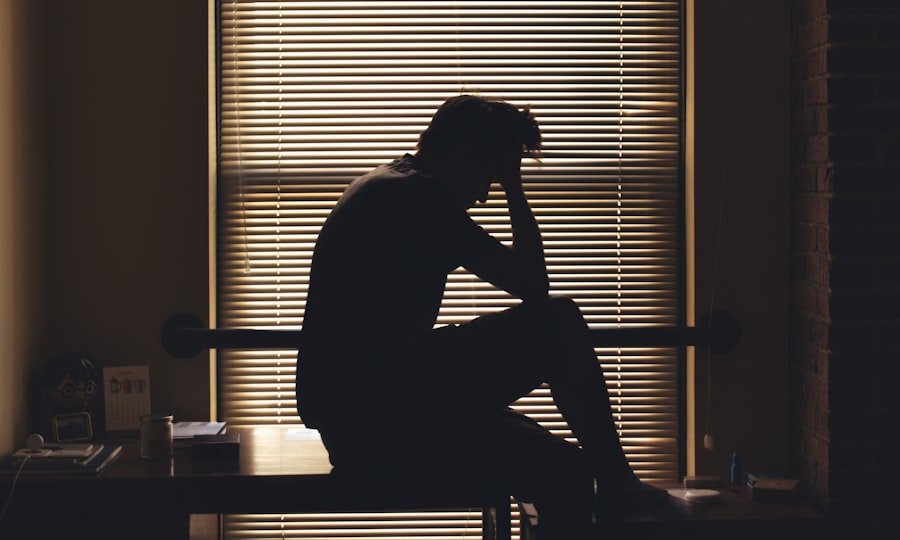
Making lifestyle changes can also play a significant role in managing anxiety disorders. Regular physical activity has been shown to have a positive impact on mental health by releasing endorphins and reducing stress levels. Engaging in activities such as walking, yoga, or dancing can help individuals channel their energy in constructive ways while promoting relaxation.
Additionally, maintaining a balanced diet rich in nutrients can support overall mental health. Foods high in omega-3 fatty acids, antioxidants, and vitamins can contribute to improved mood regulation. Establishing a consistent sleep routine is equally important; quality sleep is essential for emotional resilience and cognitive function.
By prioritizing these lifestyle changes, individuals can create a solid foundation for managing their anxiety more effectively.
Support Groups and Peer Support for Anxiety
Connecting with others who share similar experiences can be incredibly beneficial for those dealing with anxiety disorders. Support groups provide a safe space for individuals to share their stories, challenges, and coping strategies. These groups foster a sense of community and understanding, reminding participants that they are not alone in their struggles.
Peer support can also take many forms, including online forums or local meetups where individuals can connect with others facing similar challenges. Engaging with peers who understand the nuances of anxiety can provide validation and encouragement, helping individuals feel more empowered in their journey toward recovery. The shared experiences within these groups often lead to valuable insights and practical tips that can enhance one’s coping strategies.
Alternative Therapies for Anxiety Disorders
In addition to conventional treatments, many individuals explore alternative therapies as complementary options for managing anxiety disorders. Practices such as acupuncture, aromatherapy, or herbal supplements may offer additional support for those seeking relief from anxiety symptoms. While research on the efficacy of these therapies varies, some individuals report positive experiences when incorporating them into their overall treatment plans.
It is essential to approach alternative therapies with an open mind while remaining cautious about their use. Consulting with a healthcare professional before trying new therapies ensures that they align with individual needs and do not interfere with any existing treatments. By exploring various options, individuals can create a personalized approach to managing their anxiety that resonates with them.
Combining Treatments for Maximum Effectiveness
Combining different treatment modalities often yields the most effective results for managing anxiety disorders. A holistic approach that incorporates therapy, medication (if necessary), lifestyle changes, and alternative therapies can provide comprehensive support for individuals navigating their mental health challenges. This integrative strategy allows individuals to address various aspects of their well-being while tailoring their treatment plan to suit their unique needs.
Collaboration between healthcare providers is crucial in this process.
Managing Anxiety in Children and Adolescents
Anxiety disorders are not limited to adults; children and adolescents can also experience significant anxiety that impacts their daily lives. Recognizing the signs of anxiety in younger populations is essential for early intervention and support. Symptoms may manifest as excessive worry about school performance, social interactions, or separation from caregivers.
When addressing anxiety in children and adolescents, it is vital to involve parents or guardians in the process. Family-based interventions can foster open communication about feelings and fears while providing children with coping strategies tailored to their developmental stage. Professional help from child psychologists or counselors specializing in pediatric mental health can also be invaluable in guiding families through this challenging journey.
Seeking Professional Help for Anxiety Disorders
Ultimately, seeking professional help is a crucial step for anyone struggling with anxiety disorders. Mental health professionals possess the expertise needed to assess individual situations accurately and recommend appropriate treatment options tailored to each person’s needs. Whether through therapy, medication management, or lifestyle guidance, professional support can make a significant difference in an individual’s ability to manage anxiety effectively.
For those who may feel hesitant about seeking help due to stigma or fear of judgment, it is essential to remember that mental health is just as important as physical health. Taking the first step toward seeking support is an act of courage that can lead to profound changes in one’s life. With the right resources and guidance, individuals can navigate their anxiety journey with confidence and resilience.
In conclusion, understanding anxiety disorders is the first step toward effective management. By exploring various treatment options—ranging from cognitive behavioral therapy to lifestyle changes—individuals can find strategies that resonate with them personally. Remember that you are not alone; support is available through professionals and peer networks alike.
Embracing a holistic approach may help you reclaim your life from the grips of anxiety while fostering resilience for the future.
For those seeking insights into various approaches to managing anxiety disorders, the article on exploring alternative healthcare options provides valuable information. You can read more about these treatments and their potential benefits by visiting this link: Exploring Alternative Healthcare Options.