
Flotation therapy, often referred to as sensory deprivation or floatation, is a unique wellness practice that involves immersing oneself in a specially designed tank filled with warm, buoyant water saturated with Epsom salt. This environment allows individuals to float effortlessly, creating a sensation of weightlessness. The water temperature is typically set to skin temperature, which helps to eliminate the feeling of the water against the skin, further enhancing the experience of relaxation and detachment from external stimuli.
In this tranquil setting, individuals can disconnect from the hustle and bustle of daily life, allowing for deep relaxation and introspection. The primary goal of flotation therapy is to provide a space where individuals can escape the constant barrage of sensory input that characterizes modern life. By minimizing external distractions such as light, sound, and even gravity, flotation therapy encourages a state of deep relaxation that can lead to various physical and mental health benefits.
As more Australians seek natural and holistic approaches to healthcare, flotation therapy has emerged as a popular option for those looking to enhance their overall well-being.
Key Takeaways
- Flotation therapy involves floating in a sensory deprivation tank filled with salt water to promote relaxation and reduce stress.
- Flotation therapy has been around since the 1950s, but gained popularity in the 1970s as a form of alternative medicine.
- The therapy works by reducing external stimuli, allowing the body and mind to enter a deep state of relaxation and meditation.
- Physical benefits of flotation therapy include pain relief, improved circulation, and muscle relaxation.
- Mental and emotional benefits of flotation therapy include stress reduction, anxiety relief, and improved mental clarity.
The History of Flotation Therapy
Flotation therapy has its roots in the early 1950s when Dr. John Lilly, an American neuroscientist, first developed the concept. Lilly was interested in exploring the effects of sensory deprivation on the human mind and body.
He created the first isolation tank, which was designed to study the brain’s response to reduced sensory input. Over time, his research revealed that prolonged periods in these tanks could lead to profound states of relaxation and altered consciousness. As interest in alternative medicine and holistic healthcare grew throughout the 1970s and 1980s, flotation therapy began to gain traction as a legitimate wellness practice.
It was during this time that commercial flotation centers started to emerge, making the experience accessible to the general public. Today, flotation therapy is recognized not only for its historical significance but also for its potential benefits in promoting mental clarity, emotional balance, and physical recovery.
How Does Flotation Therapy Work?
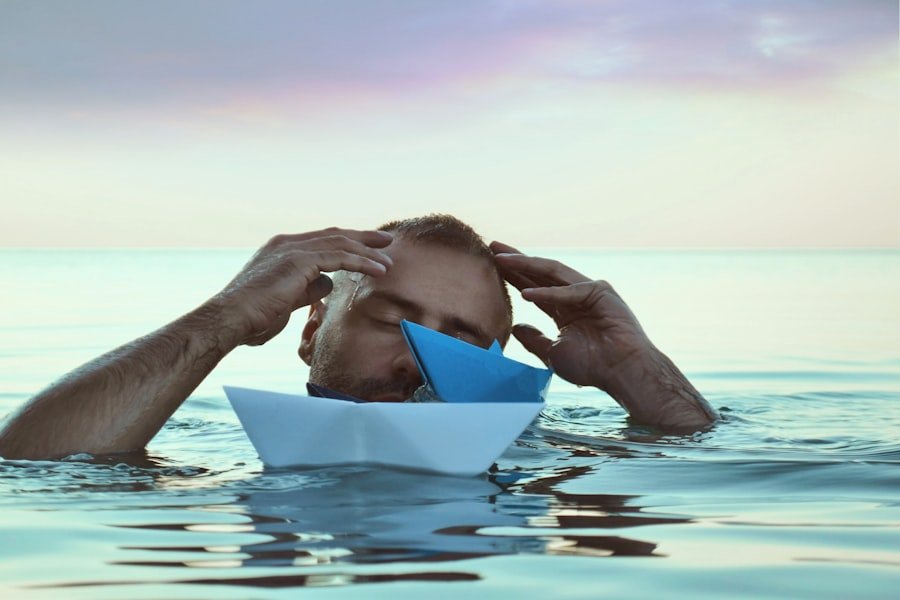
Flotation therapy works by creating an environment that minimizes sensory input and promotes relaxation. When an individual enters the flotation tank, they are enveloped in warm water that is rich in Epsom salt, allowing them to float effortlessly. This buoyancy reduces the strain on joints and muscles, providing relief from physical tension.
The tank is designed to be soundproof and lightproof, further isolating the individual from external distractions. As the body relaxes in this unique environment, it enters a state of deep rest that can lead to various physiological changes. The reduction in sensory input can lower cortisol levels, which are often elevated due to stress.
Additionally, the magnesium found in Epsom salt can be absorbed through the skin, potentially aiding in muscle relaxation and recovery. This combination of factors creates an ideal setting for individuals seeking relief from stress, anxiety, pain, or sleep disturbances.
The Physical Benefits of Flotation Therapy
| Physical Benefits of Flotation Therapy |
|---|
| Relief from muscle tension and pain |
| Improved circulation |
| Reduced inflammation |
| Enhanced athletic performance and recovery |
| Lowered blood pressure |
| Improved joint mobility |
Flotation therapy offers a range of physical benefits that can enhance overall well-being. One of the most notable advantages is its ability to alleviate muscle tension and soreness. The buoyancy provided by the Epsom salt solution allows for a gentle stretching of muscles and joints without the impact associated with traditional exercise.
This can be particularly beneficial for athletes or individuals recovering from injuries. Moreover, flotation therapy has been shown to improve circulation and promote relaxation of blood vessels. This can lead to better oxygenation of tissues and enhanced recovery after physical exertion.
Many individuals report experiencing reduced chronic pain conditions such as fibromyalgia or arthritis after regular sessions in a flotation tank. By providing a safe space for physical relaxation, flotation therapy can play a vital role in supporting overall health.
The Mental and Emotional Benefits of Flotation Therapy
In addition to its physical benefits, flotation therapy has significant mental and emotional advantages. The deep relaxation achieved during a session can help reduce symptoms of anxiety and depression. Many individuals find that their minds become clearer and more focused after floating, allowing for improved cognitive function and emotional regulation.
The meditative state induced by flotation therapy can also foster creativity and problem-solving skills. As the mind is freed from external distractions, it becomes easier to tap into one’s inner thoughts and ideas. This can be particularly beneficial for those in creative fields or anyone facing challenges that require innovative thinking.
By providing a space for introspection and mental clarity, flotation therapy can enhance emotional resilience and overall mental well-being.
Flotation Therapy for Stress and Anxiety

Stress and anxiety are prevalent issues in modern society, affecting millions of Australians daily. Flotation therapy offers a natural approach to managing these conditions by promoting relaxation and reducing stress levels. The sensory deprivation experienced during a float session allows individuals to disconnect from their worries and immerse themselves in a state of calm.
Research has shown that flotation therapy can significantly lower cortisol levels, which are often elevated during periods of stress. By creating an environment conducive to relaxation, individuals may find relief from anxiety symptoms and develop healthier coping mechanisms. Many people report feeling more centered and balanced after regular flotation sessions, making it an effective tool for managing stress in today’s fast-paced world.
Flotation Therapy for Pain Management
Chronic pain is a common issue faced by many Australians, often leading to decreased quality of life and increased reliance on medication. Flotation therapy presents a holistic alternative for pain management by providing relief through deep relaxation and muscle tension reduction. The buoyancy experienced in the tank allows individuals to experience weightlessness, alleviating pressure on joints and muscles.
Studies have indicated that flotation therapy can be effective in reducing pain associated with conditions such as fibromyalgia, arthritis, and sports injuries. The magnesium absorbed through the skin during a float session may also contribute to muscle relaxation and pain relief. By incorporating flotation therapy into their wellness routine, individuals may find a natural way to manage pain without relying solely on pharmaceuticals.
Flotation Therapy for Sleep Improvement
Sleep disturbances are increasingly common in today’s society, with many Australians struggling to achieve restful sleep due to stress or anxiety. Flotation therapy can be an effective solution for improving sleep quality by promoting relaxation and reducing racing thoughts. The deep state of rest achieved during a float session can help reset the body’s natural sleep-wake cycle.
Many individuals report experiencing deeper and more restorative sleep after incorporating flotation therapy into their routine. The calming effects of floating can help quiet the mind and prepare the body for sleep, making it easier to fall asleep and stay asleep throughout the night. For those seeking natural remedies for insomnia or sleep issues, flotation therapy offers a promising alternative.
Flotation Therapy for Enhanced Creativity and Problem-Solving
Flotation therapy has been linked to enhanced creativity and improved problem-solving abilities. The unique environment created within the flotation tank allows individuals to disconnect from external distractions and tap into their subconscious mind. This state of relaxation can lead to increased mental clarity and innovative thinking.
By providing a space for introspection and reflection, floating can help individuals break through mental blocks and generate new ideas. Whether you’re facing a creative challenge or simply seeking inspiration, flotation therapy may offer the boost you need.
Flotation Therapy for Athletic Performance and Recovery
Athletes are always on the lookout for ways to enhance their performance and speed up recovery times after intense training sessions or competitions. Flotation therapy has gained popularity among athletes as an effective tool for both performance enhancement and recovery support. The buoyancy experienced during floating allows athletes to relax their muscles while reducing strain on their joints.
Additionally, flotation therapy can aid in reducing lactic acid buildup after strenuous exercise, promoting faster recovery times. Many athletes report feeling rejuvenated after a float session, allowing them to return to training with renewed energy and focus. By incorporating flotation therapy into their training regimen, athletes may find themselves better equipped to reach their performance goals.
The Future of Flotation Therapy
As awareness of alternative medicine and holistic healthcare continues to grow in Australia, the future of flotation therapy looks promising. More individuals are seeking natural approaches to wellness that prioritize mental health alongside physical well-being. With increasing research supporting its benefits, flotation therapy is likely to gain further recognition as an effective tool for managing stress, pain, sleep issues, and enhancing overall quality of life.
Flotation centers are becoming more accessible across Australia, making it easier for individuals to experience this unique form of therapy. As technology advances, we may also see innovations in flotation tank design that enhance user experience further or integrate additional therapeutic elements such as sound or light therapies. With its myriad benefits and growing popularity among those seeking holistic solutions, flotation therapy is poised to play an essential role in the future landscape of wellness in Australia.
In conclusion, if you’re looking for a natural way to improve your well-being—whether it’s managing stress or enhancing your athletic performance—consider exploring flotation therapy at Verda Health. Our team is dedicated to providing you with holistic solutions tailored to your needs through our telehealth services. Take action today by visiting our website or contacting us directly to learn more about how we can support your journey towards better health!
Flotation therapy, often hailed for its potential to reduce stress and promote relaxation, is gaining attention as a complementary treatment in the wellness industry. This therapy involves floating in a sensory deprivation tank filled with Epsom salt water, which can help alleviate physical tension and mental stress. For those interested in exploring other complementary treatments that can enhance overall well-being, the article on exploring complementary treatments for wellness provides valuable insights. It delves into various alternative therapies that can be integrated into one’s health regimen to support holistic wellness.
FAQs
What is flotation therapy?
Flotation therapy, also known as sensory deprivation therapy, involves floating in a tank or pool filled with water and a high concentration of Epsom salt. The experience is designed to create a sense of weightlessness and sensory deprivation, allowing for deep relaxation and stress relief.
What are the benefits of flotation therapy?
Flotation therapy is believed to have a range of potential benefits, including stress reduction, pain relief, improved sleep, and enhanced mental clarity. Some people also report experiencing a heightened sense of creativity and improved athletic performance after flotation sessions.
Is flotation therapy safe?
When conducted in a professional and well-maintained facility, flotation therapy is generally considered safe for most people. However, individuals with certain medical conditions, such as open wounds, infectious diseases, or uncontrolled epilepsy, should consult with a healthcare professional before participating in flotation therapy.
How long does a typical flotation therapy session last?
A typical flotation therapy session lasts for about 60 to 90 minutes. This duration allows for enough time to experience the full benefits of sensory deprivation and deep relaxation.
What should I expect during a flotation therapy session?
During a flotation therapy session, you can expect to enter a private tank or pool filled with warm, salty water. You will float effortlessly, experiencing a sense of weightlessness and sensory deprivation. Many people find the experience deeply relaxing and meditative.
Is flotation therapy suitable for everyone?
Flotation therapy is generally suitable for most people, but individuals with certain medical conditions or concerns should consult with a healthcare professional before participating. Pregnant women, individuals with claustrophobia, and those with skin sensitivities should also seek guidance before trying flotation therapy.