
Sleep apnea is a common yet often overlooked sleep disorder that affects millions of people worldwide, including a significant number of Australians. It is characterized by repeated interruptions in breathing during sleep, which can lead to fragmented sleep and a host of other health issues. The most prevalent form of sleep apnea is obstructive sleep apnea (OSA), where the throat muscles intermittently relax and block the airway during sleep.
This condition can result in reduced oxygen levels in the blood, leading to increased strain on the cardiovascular system and other bodily functions. Understanding sleep apnea is crucial for recognizing its impact on overall health and well-being. Many individuals may not even be aware that they have this condition, as the symptoms often occur during sleep.
Common signs include loud snoring, gasping for air during sleep, and excessive daytime fatigue. The consequences of untreated sleep apnea can be severe, affecting not only physical health but also mental and emotional well-being. As awareness of this disorder grows, so does the importance of seeking appropriate testing and treatment options.
Key Takeaways
- Sleep apnea is a common sleep disorder characterized by pauses in breathing during sleep.
- Untreated sleep apnea can lead to serious health risks such as high blood pressure, heart disease, and stroke.
- Sleep apnea testing is important for diagnosing the condition and determining the most effective treatment.
- Types of sleep apnea tests include home sleep apnea testing and in-lab sleep apnea testing, each with different costs and benefits.
- Insurance coverage and financial assistance may be available to help offset the cost of sleep apnea testing.
Symptoms and Risks of Untreated Sleep Apnea
The symptoms of untreated sleep apnea can vary widely among individuals, but they often include chronic fatigue, irritability, and difficulty concentrating. Many people with sleep apnea experience restless nights, waking up frequently to catch their breath or due to loud snoring. This disrupted sleep can lead to a vicious cycle of exhaustion and decreased productivity during the day.
Additionally, untreated sleep apnea can contribute to more serious health risks, such as high blood pressure, heart disease, stroke, and diabetes. The risks associated with untreated sleep apnea extend beyond physical health. Individuals may find themselves struggling with mood disorders, anxiety, and depression due to the constant fatigue and lack of restorative sleep.
Furthermore, the cognitive impairments caused by sleep deprivation can lead to accidents and injuries, particularly in high-risk occupations or while driving. Recognizing these symptoms and understanding the potential risks is essential for individuals who suspect they may be suffering from sleep apnea.
Importance of Sleep Apnea Testing
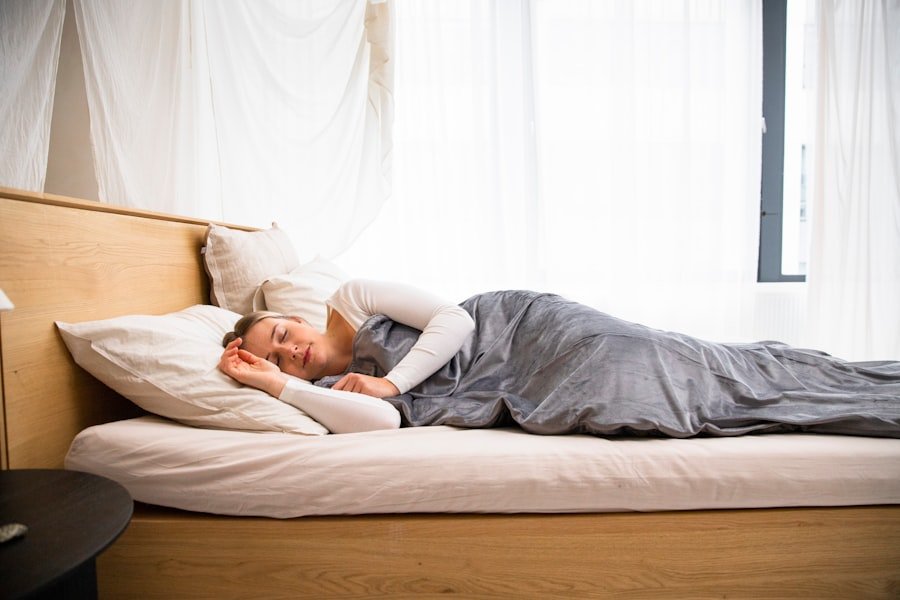
Testing for sleep apnea is a critical step in diagnosing the condition and determining the appropriate course of treatment. Many people may dismiss their symptoms or attribute them to other factors, but proper testing can provide clarity and peace of mind. Sleep apnea testing typically involves monitoring various physiological parameters during sleep, such as breathing patterns, oxygen levels, and heart rate.
This data helps healthcare professionals assess the severity of the condition and tailor treatment options accordingly. Moreover, early detection of sleep apnea can significantly improve quality of life. By addressing the disorder promptly, individuals can reduce their risk of developing serious health complications associated with untreated sleep apnea.
Testing not only aids in diagnosis but also serves as a foundation for effective management strategies that can lead to better sleep quality and overall well-being.
Types of Sleep Apnea Tests
| Test Type | Description |
|---|---|
| Nocturnal Polysomnography | An overnight sleep study that monitors various body functions during sleep, including brain activity, eye movement, muscle activity, heart rhythm, and breathing patterns. |
| Home Sleep Apnea Test | A portable sleep test that allows individuals to sleep at home while wearing equipment that measures breathing patterns, blood oxygen levels, and heart rate. |
| Multichannel Sleep Study | A comprehensive sleep study that monitors multiple body functions, including brain waves, muscle activity, eye movement, heart rate, and breathing patterns. |
There are primarily two types of tests used to diagnose sleep apnea: home sleep apnea tests (HSAT) and in-lab polysomnography (PSG). Home sleep apnea tests are designed for convenience and can be conducted in the comfort of one’s own home. These tests typically involve wearing a portable monitoring device that tracks breathing patterns, oxygen levels, and heart rate while sleeping.
HSATs are often recommended for individuals with a high likelihood of having obstructive sleep apnea based on their symptoms. In contrast, in-lab polysomnography is a more comprehensive test conducted in a sleep clinic or hospital setting. This test involves an overnight stay where various physiological parameters are monitored using advanced equipment.
Polysomnography provides detailed insights into sleep stages, brain activity, and other factors that may contribute to sleep disturbances. While it is more invasive than home testing, it is often necessary for individuals with complex medical histories or those suspected of having central sleep apnea or other related disorders.
Cost of Home Sleep Apnea Testing
The cost of home sleep apnea testing can vary depending on several factors, including the provider, location, and specific services included in the test. On average, home sleep tests can range from $150 to $500. This price typically covers the rental or purchase of the monitoring device and any necessary follow-up consultations with healthcare professionals.
It’s important to note that while home testing may be more affordable upfront, it may not be suitable for everyone.
Therefore, it’s essential to consult with a healthcare provider to determine the most appropriate testing option based on individual needs and circumstances.
Cost of In-Lab Sleep Apnea Testing

In-lab polysomnography tends to be more expensive than home sleep apnea testing due to the comprehensive nature of the evaluation. The costs for in-lab testing can range from $800 to $3,000 or more, depending on the facility and specific services provided. This price typically includes the overnight stay at the clinic or hospital, monitoring equipment, and analysis by a qualified sleep specialist.
While the higher cost may seem daunting, in-lab testing offers valuable insights that can lead to more accurate diagnoses and tailored treatment plans. For individuals with complex symptoms or comorbidities, investing in in-lab testing may ultimately lead to better health outcomes and improved quality of life.
Insurance Coverage for Sleep Apnea Testing
Insurance coverage for sleep apnea testing varies widely among providers and plans. Many health insurance policies cover at least a portion of the costs associated with both home sleep tests and in-lab polysomnography when deemed medically necessary. However, it’s crucial for individuals to review their specific policy details to understand coverage limits, copayments, and any pre-authorization requirements.
For those without insurance or with limited coverage options, it’s advisable to contact healthcare providers directly to inquire about payment plans or financing options that may be available. Understanding insurance coverage can help alleviate some financial burdens associated with seeking diagnosis and treatment for sleep apnea.
Financial Assistance for Sleep Apnea Testing
For individuals facing financial challenges when seeking sleep apnea testing, various resources may provide assistance. Some non-profit organizations offer grants or financial aid programs specifically for those needing diagnostic testing or treatment for sleep disorders. Additionally, many healthcare providers are willing to work with patients to create payment plans that fit their budgets.
Community health centers may also offer low-cost or sliding-scale services for individuals without insurance or those facing financial hardship. Exploring these options can help ensure that individuals receive the necessary testing without incurring overwhelming financial stress.
Factors Affecting the Cost of Sleep Apnea Testing
Several factors can influence the cost of sleep apnea testing beyond just the type of test chosen. Geographic location plays a significant role; urban areas may have higher costs due to increased demand for healthcare services. Additionally, the specific healthcare provider or facility chosen can impact pricing; some clinics may offer competitive rates while others may charge premium prices based on their reputation or level of service.
The complexity of an individual’s case also affects testing costs. Patients with comorbid conditions or those requiring additional evaluations may incur higher expenses due to extended monitoring or specialized assessments. Understanding these factors can help individuals make informed decisions about their testing options.
Comparing the Cost of Sleep Apnea Testing Options
When considering sleep apnea testing options, it’s essential to compare costs alongside other factors such as convenience, accuracy, and individual health needs. Home sleep tests offer affordability and ease but may not provide comprehensive data for all patients. In contrast, in-lab polysomnography delivers detailed insights but comes at a higher price point.
Individuals should weigh these considerations carefully when deciding on a testing method. Consulting with healthcare professionals can provide valuable guidance in selecting the most appropriate option based on personal circumstances and health concerns.
Making the Decision to Invest in Sleep Apnea Testing
Deciding to invest in sleep apnea testing is a significant step toward improving one’s health and well-being. For those experiencing symptoms such as excessive daytime fatigue, loud snoring, or difficulty concentrating, seeking diagnosis through appropriate testing is crucial. While costs may vary depending on the chosen method, prioritizing health should take precedence over financial concerns.
Ultimately, investing in sleep apnea testing can lead to better quality sleep, improved overall health outcomes, and enhanced quality of life. By taking this proactive approach to health management, individuals can pave the way for a brighter future filled with restful nights and energized days.
Sleep apnea testing can often be a costly procedure, which may lead individuals to explore alternative or complementary treatments to manage their condition. For those interested in a holistic approach to wellness, there are various complementary treatments that can be considered alongside traditional medical interventions. An article that delves into these alternative options is available on Verda Health’s website. You can read more about these complementary treatments by visiting this article. It provides insights into various non-conventional methods that might support overall health and potentially alleviate some symptoms associated with sleep apnea.
FAQs
What is sleep apnea testing?
Sleep apnea testing is a diagnostic procedure used to determine if an individual has sleep apnea, a sleep disorder characterized by pauses in breathing or shallow breathing during sleep.
How is sleep apnea testing performed?
Sleep apnea testing can be performed in a sleep clinic or at home. In a sleep clinic, the individual is monitored overnight using various sensors to measure breathing patterns, oxygen levels, heart rate, and other factors. At-home testing typically involves wearing a portable monitoring device while sleeping.
What is the cost of sleep apnea testing?
The cost of sleep apnea testing can vary depending on the type of testing (in-lab vs. at-home), the location, and the healthcare provider. On average, in-lab sleep apnea testing can cost between $500 to $3,000, while at-home testing may range from $150 to $500.
Does insurance cover the cost of sleep apnea testing?
Many health insurance plans cover the cost of sleep apnea testing, especially if it is deemed medically necessary. However, coverage can vary depending on the individual’s insurance plan and provider. It is recommended to check with the insurance company to understand the coverage and any out-of-pocket expenses.
Are there any additional costs associated with sleep apnea testing?
In addition to the testing itself, there may be additional costs for consultation with a sleep specialist, interpretation of the test results, and any follow-up appointments or treatments. It is important to inquire about all potential costs associated with sleep apnea testing before undergoing the procedure.